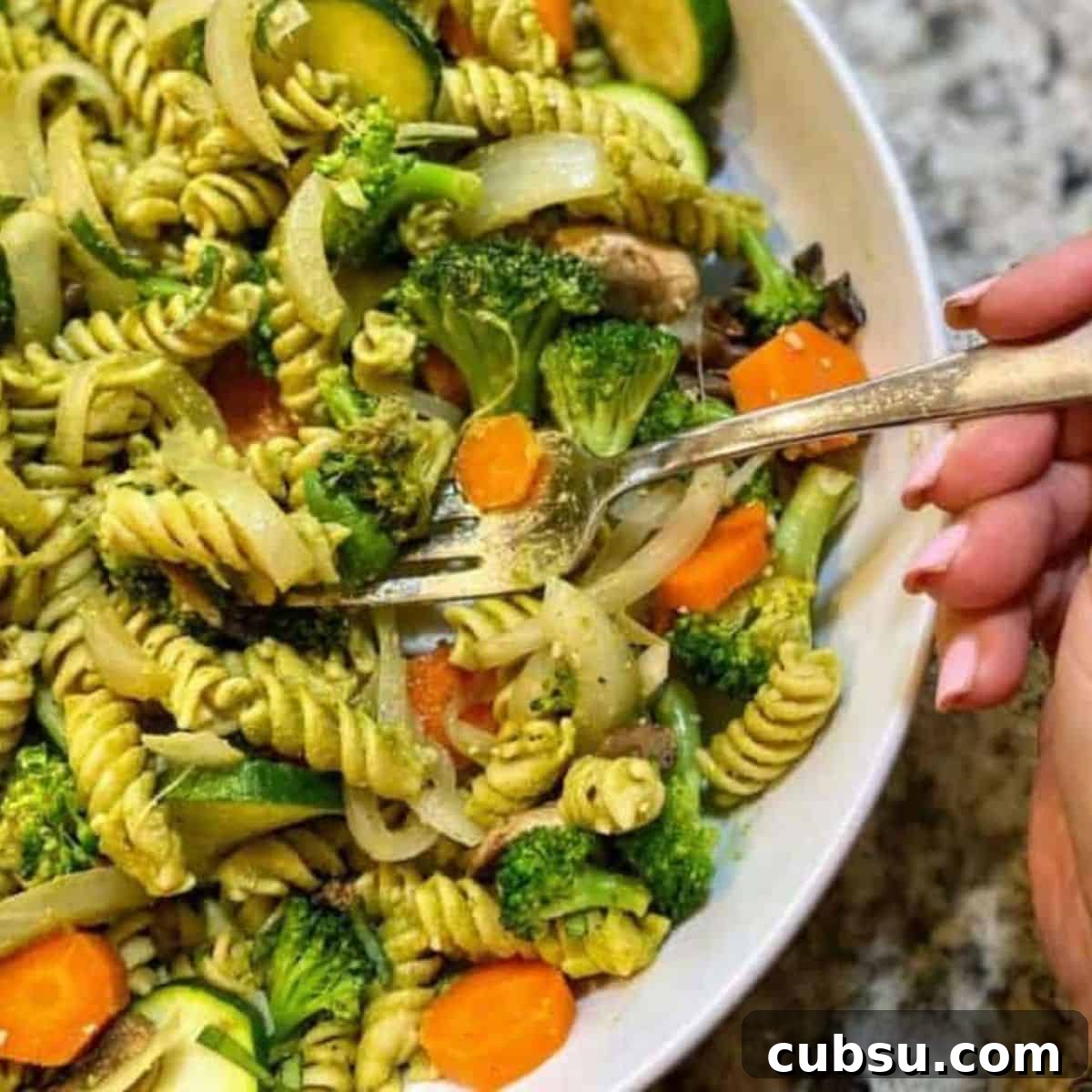
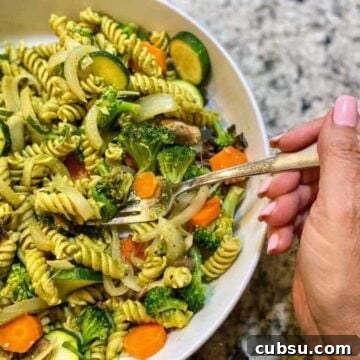
Savor the rest of summer with this vegan pesto pasta. This nut-free, oil-free pesto is tossed with whole-grain pasta and bright, seasonal vegetables for a fresh, flavorful meal. Eat the rainbow!
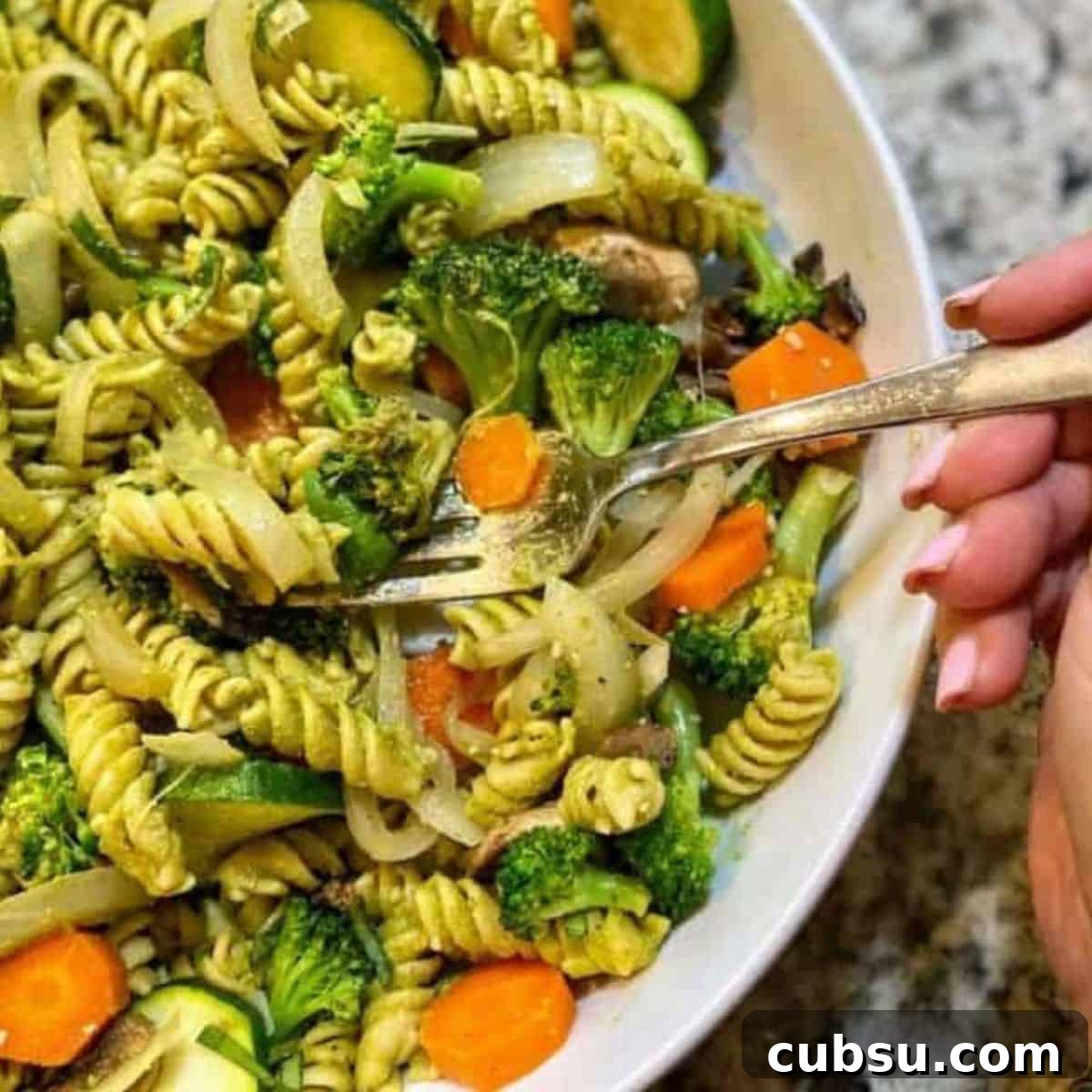
This quick and easy vegan pesto pasta is a perfect way to use garden-fresh vegetables. Traditional pesto often contains cheese and oil, but this version replaces both with wholesome, plant-based ingredients. The pesto is creamy and satisfying thanks to beans, while nutritional yeast adds a cheesy, savory note.
When I think of comfort food, creamy pasta comes to mind. But creamy doesn’t have to mean heavy. My family loves pasta, so I aim to load dishes with more vegetables and use a vegetable-based sauce whenever possible. This oil-free, nut-free pesto gives you all the flavor while keeping the recipe light and nutritious.
Oil-Free Pesto Ingredients
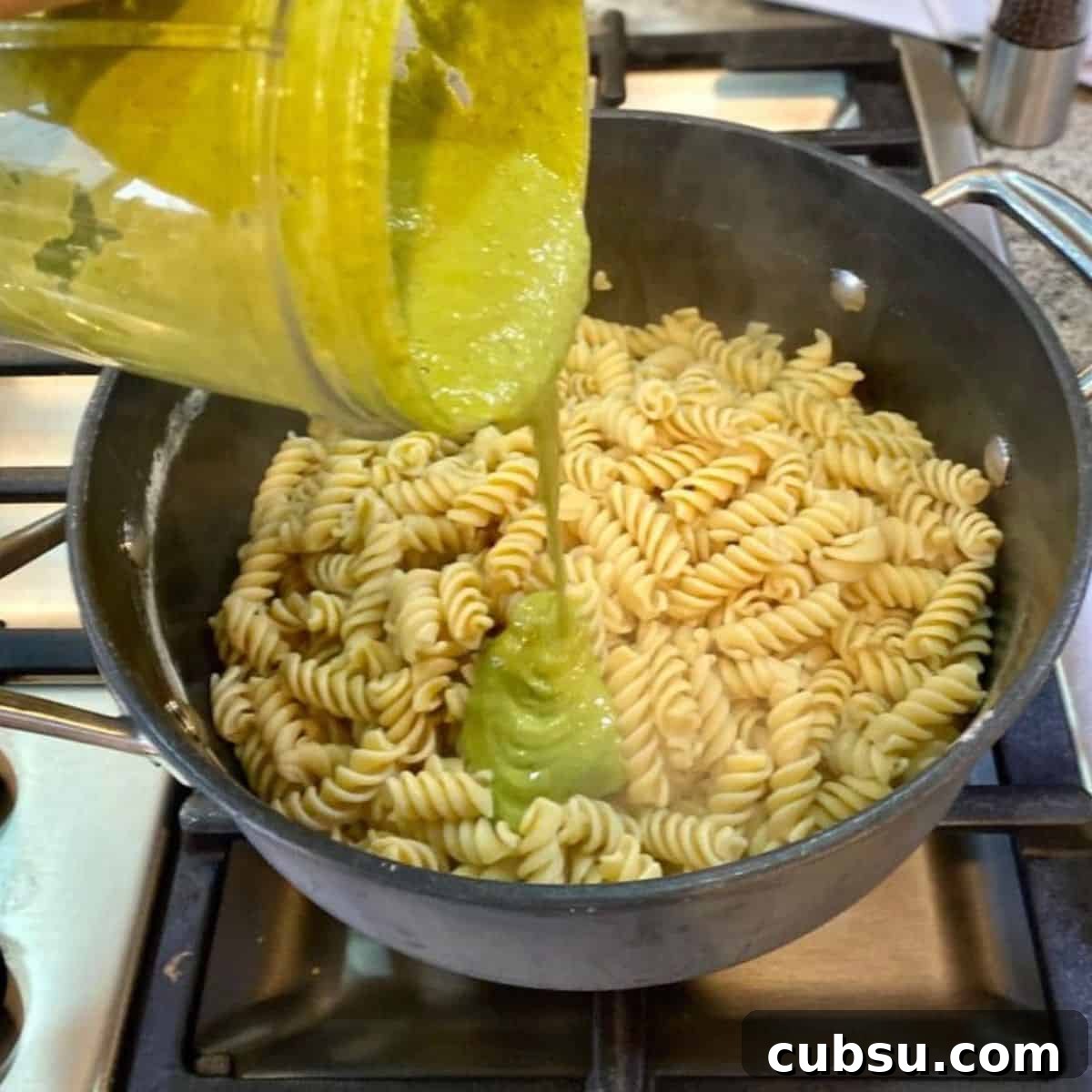
Fresh basil is the heart of this pesto, while beans lend creaminess without oil or nuts. Nutritional yeast supplies savory, cheesy flavor, and lemon keeps the sauce bright and prevents browning.
- Fresh Basil: Use plenty — the more, the better.
- Garlic: Fresh garlic gives the best flavor.
- Navy or Cannellini Beans: These create a velvety texture and add fiber and protein.
- Water or Vegetable Broth: Emulsifies the pesto in place of oil and helps with consistency.
- Nutritional Yeast: Adds a cheesy, umami note.
- Lemon Juice: Freshly squeezed for brightness and to keep the pesto green.
- Sea Salt: Balances and enhances the flavors.
Pesto Ingredient Substitutions
- Swap basil for other greens like spinach, kale, or mint for a different flavor profile.
- Use cannellini or lima beans if you prefer instead of navy beans.
- Use vegetable broth instead of water for extra flavor.
- Replace nutritional yeast with a small amount of miso or soy sauce for umami if needed.
- Bottled lemon juice can be used in a pinch, though fresh is best.
- Garlic salt can substitute for sea salt; adjust amounts accordingly.
How to Make Oil-Free Vegan Pesto
Combine the pesto ingredients in a high-speed blender and blend until smooth — it takes about five minutes from start to finish. If the mixture is too thick, add a splash more water or broth to reach your desired consistency.
- Place basil, garlic, beans, water (or broth), nutritional yeast, lemon juice, and salt in a high-speed blender.
- Blend until completely smooth.
- Taste and adjust lemon or salt as needed.
- Toss the pesto with hot, cooked pasta and mix well.
- Serve topped with sautéed or roasted vegetables and garnish with basil and optional vegan parmesan.
Vegan Pesto Pasta Ingredients
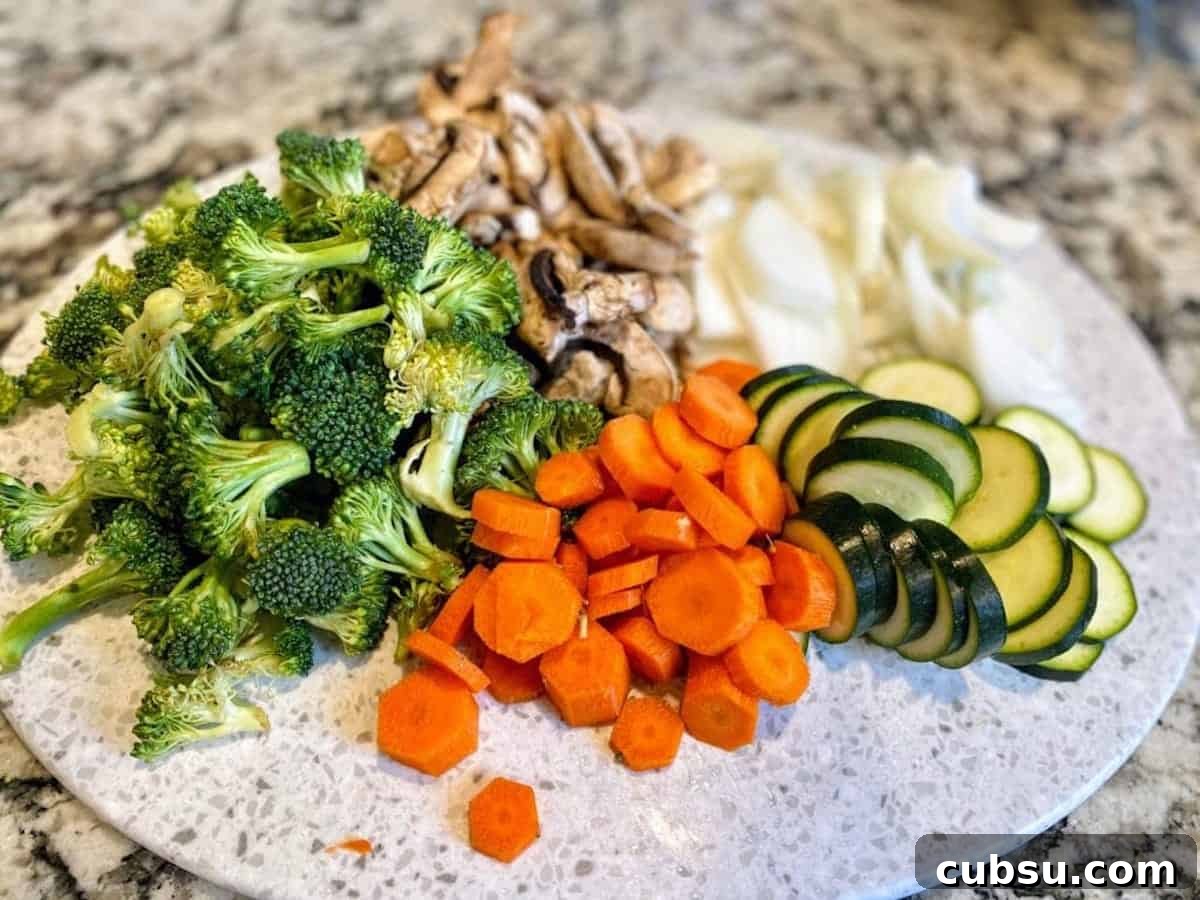
To keep vegetables perfectly cooked, saute them in stages according to density so each piece finishes at the right texture.
- Garlic: Fresh cloves are best.
- White Onion: Sliced — it sweetens as it cooks.
- Broccoli: Cut florets into uniform pieces for even cooking.
- Carrots: Slice into coins so they cook evenly.
- Zucchini: Add last — it cooks quickly and should remain al dente.
- Mushrooms: Sliced, they add savory depth to the dish.
Vegan Pesto Pasta Ingredient Substitutions
Use any vegetables you enjoy — this recipe is flexible and forgiving.
- Jarred minced garlic or garlic powder can replace fresh garlic if needed (use about ¾ tsp garlic salt for one fresh clove when substituting).
- Yellow onion works well in place of white onion.
- Cauliflower is an excellent swap for broccoli.
- Parsnips can replace carrots in many recipes.
- Summer squash can stand in for zucchini.
How to Make Pesto Pasta
Cook pasta according to package directions. While the pasta cooks, prepare the vegetables in order of density so nothing overcooks or remains undercooked.
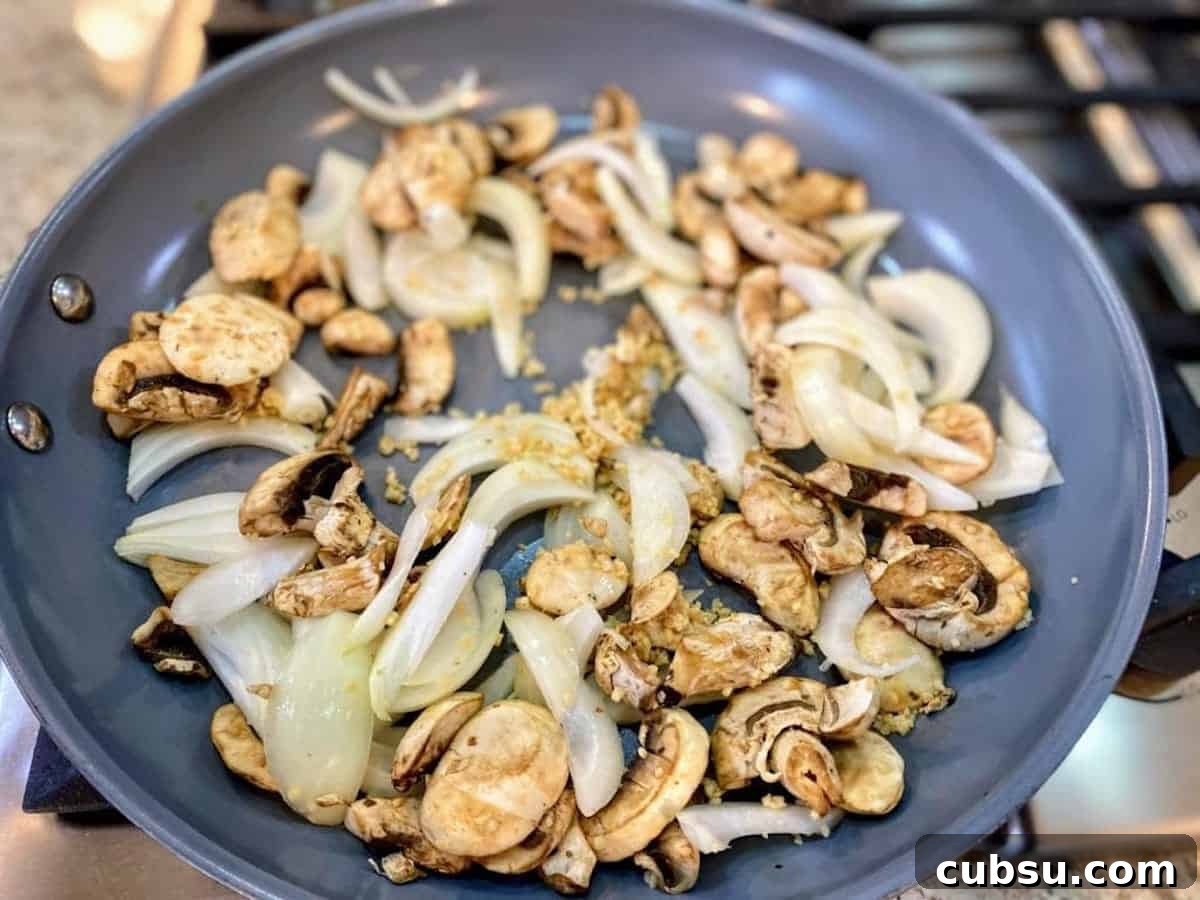
- Start by sautéing garlic, onions, and mushrooms together.
- Add a splash of vegetable broth as needed to prevent sticking and to deglaze the pan.
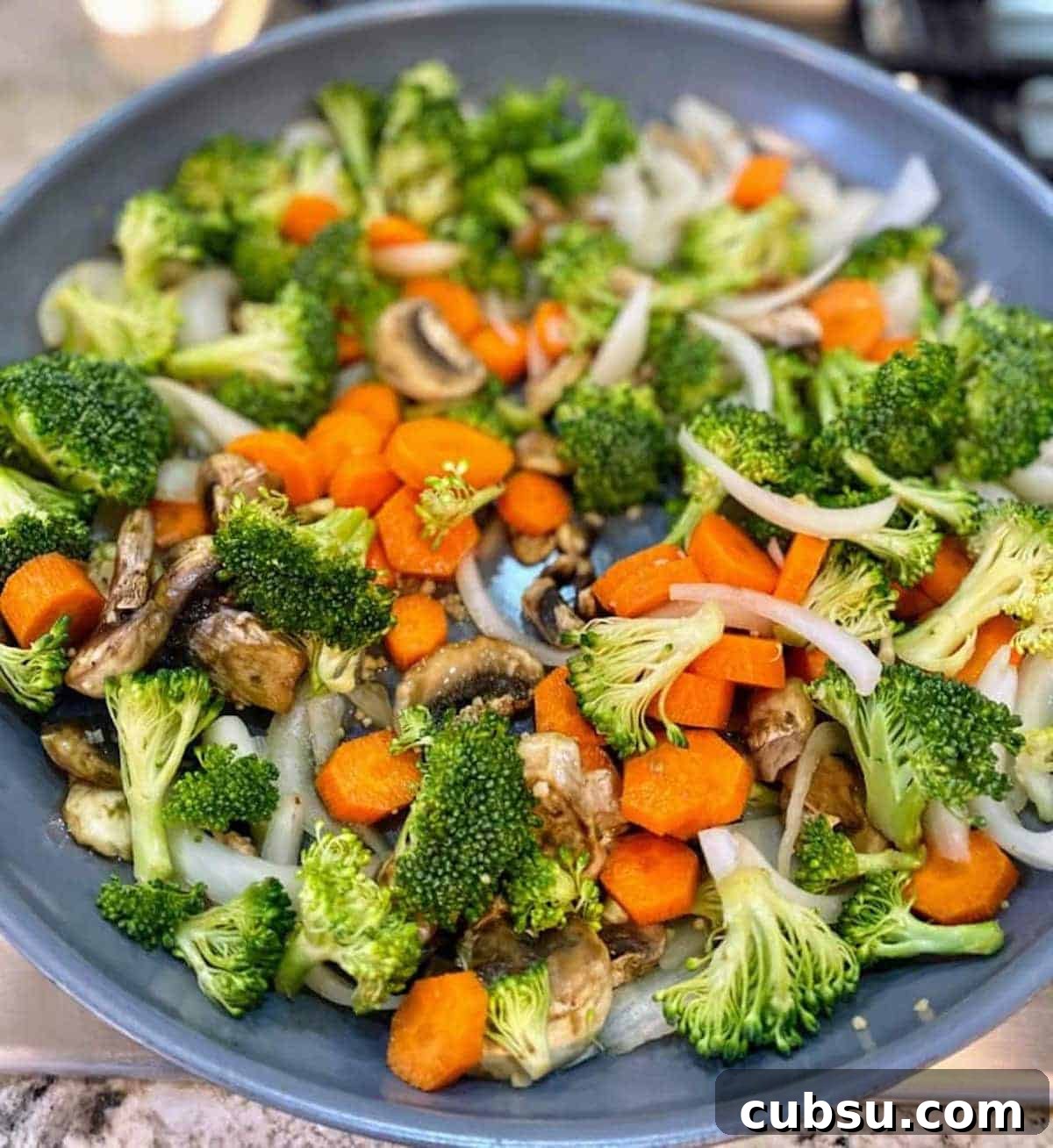
- Add hearty vegetables like broccoli and carrots next and cook until tender, about 10 minutes.
- Add zucchini last and cook only a few minutes so it stays slightly firm.
Roasted Vegetable Option
If you prefer not to watch a skillet, roasting is an easy alternative and yields great flavor and texture.
- Preheat oven to 400°F (200°C).
- Line a baking sheet with parchment paper or a silicone mat.
- Arrange vegetables in a single layer and roast for 20–25 minutes, stirring once or twice for even browning.
How to Serve Vegan Pesto Pasta Recipe
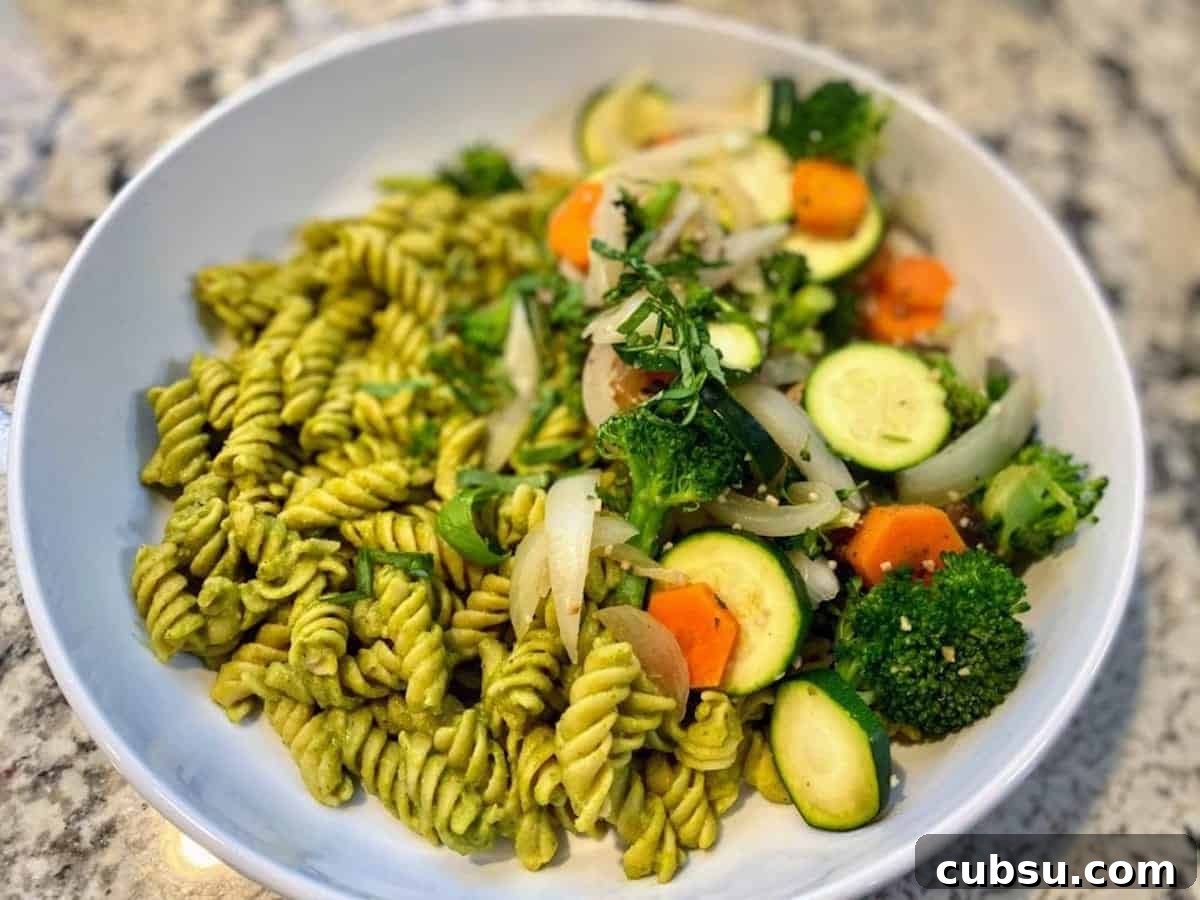
- After draining the noodles, return them to the pan and toss with the pesto so each strand is coated.
- Portion the pasta into bowls and top with the sautéed or roasted vegetables.
- Garnish with fresh basil and, if desired, a sprinkle of vegan parmesan.
- You can also combine everything in one pan and serve family-style.
Recipe FAQs
Pesto pairs well with many pasta shapes. Short spirals like fusilli, long pastas like bucatini or spaghettini, and flat noodles like fettuccine all work nicely because they hold the sauce well.
Avoid cooking pesto directly, as heat can darken basil and change its fresh flavor. Bring it to room temperature or warm gently if needed. Thin with a little water, broth, plant milk, or white wine if the pesto is too thick.
Do not rinse pasta for a warm dish. The residual starch helps the sauce cling to the noodles.
Tips
- Pesto is versatile — use it in lasagna, on gnocchi, or stirred into soups and tomato sauces for added depth.
- Pesto is traditionally a raw sauce; avoid overheating to preserve the bright basil flavor.
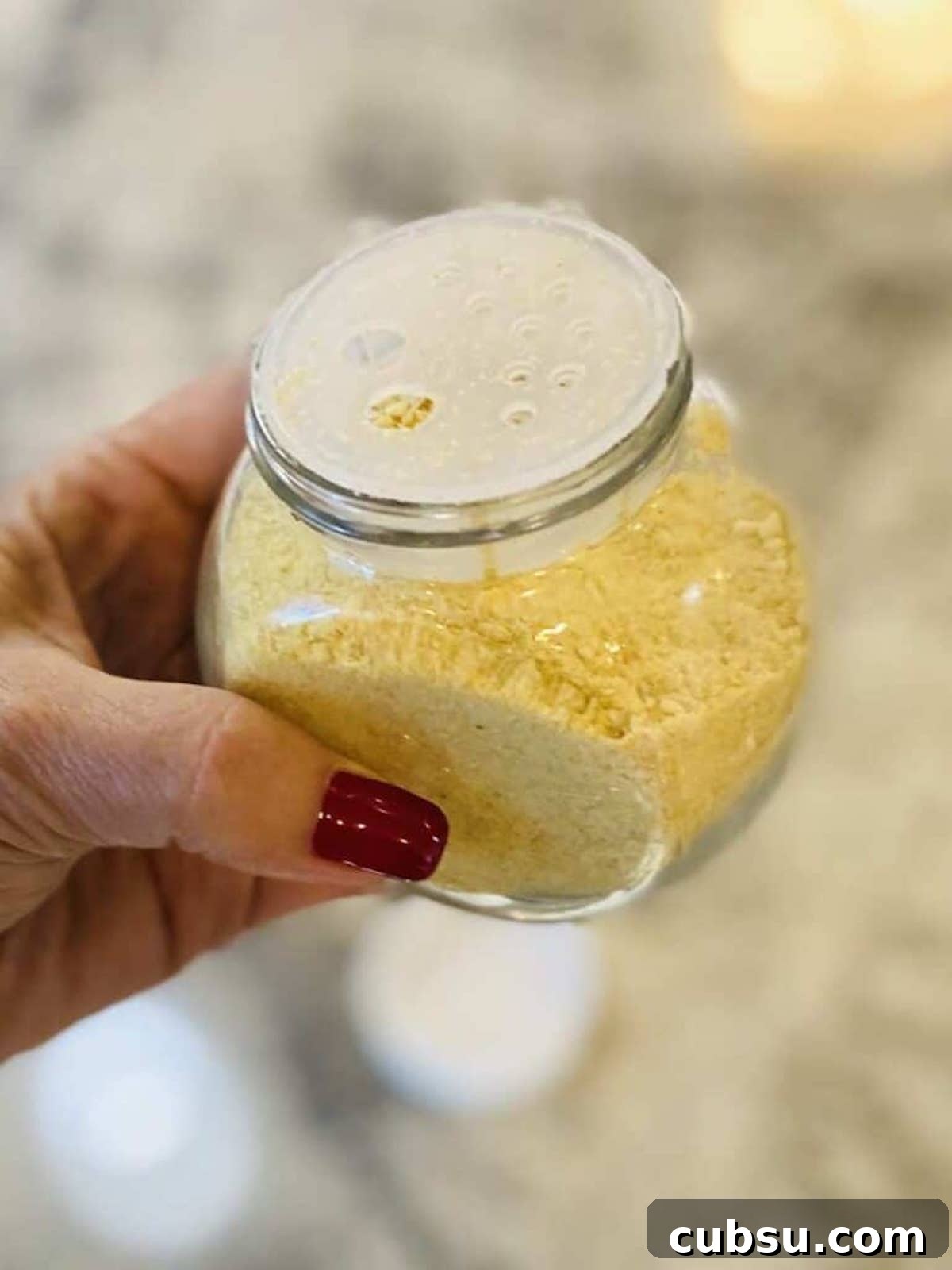
- For extra cheesiness, top with vegan parmesan.
- A good high-speed blender helps create a silky pesto when using beans.
- Store pesto in an airtight container in the refrigerator for up to one week. Freeze in ice cube trays, then transfer cubes to a freezer bag for up to six months for easy portioning.
Enjoy this vibrant vegan pesto pasta with oil-free, nut-free pesto, seasonal vegetables, and your favorite pasta.
More Vegan Recipes to Enjoy
-
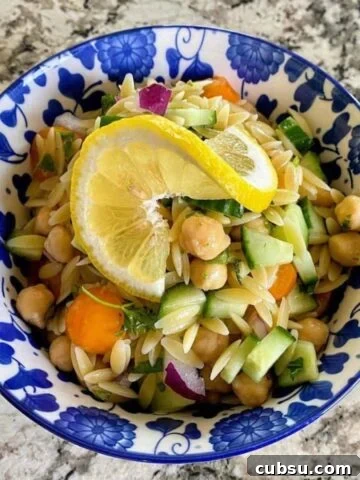
Lemony Orzo Salad
-
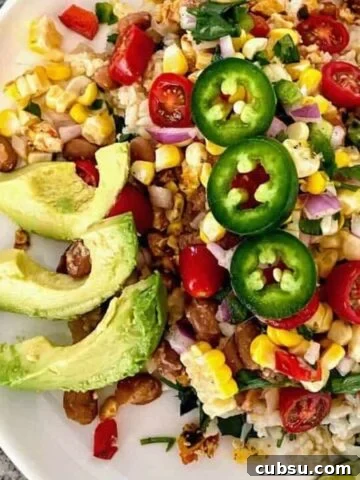
Vegan Chipotle Bowl
-
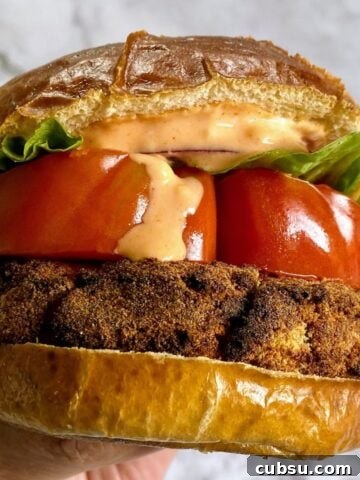
Chickpea Burger
-
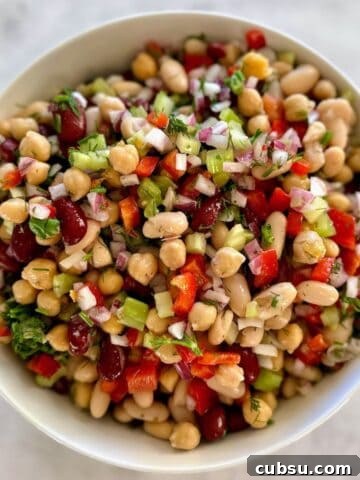
Bean Salad With Oil Free Dressing
If you try this vegan pesto pasta, please leave a review and tell us how it turned out — we’d love to hear from you.
📖 Recipe
Quick & Easy Vegan Pesto Pasta
Ingredients
Pasta:
- 8 ounces pasta of choice (gluten-free works as well)
Oil-Free Pesto:
- 1 ½ cups tightly packed fresh basil leaves
- 1 garlic clove, minced
- 15 ounces navy or cannellini beans, rinsed and drained (about 1.5 cups)
- ¼ cup water or vegetable broth
- ¼ cup nutritional yeast
- Juice of 2 lemons
- 1 teaspoon sea salt
Sautéed or Roasted Vegetables:
- ½ large white onion, sliced (about 1 cup)
- 2 cloves garlic, minced
- 1 broccoli crown, cut into florets
- 3 carrots, thinly sliced
- 8 ounces mushrooms, sliced
- 1 zucchini, sliced into thin coins
Other Ingredients:
- Fresh basil for garnish
- Vegan parmesan (optional)
Instructions
Pasta:
- Cook pasta according to package directions.
- Drain and return pasta to the pan.
Sautéed or Roasted Vegetables:
- In a medium skillet, sauté garlic, onion, and mushrooms. Add a splash of vegetable broth to prevent sticking.
- Add broccoli and carrots and cook about 10 minutes until tender.
- Add zucchini last and cook about 5 minutes so it stays al dente.
Oil-Free/Nut-Free Pesto:
- Place basil, garlic, beans, water/broth, nutritional yeast, lemon juice, and salt in a high-speed blender.
- Blend until smooth, adding a little extra liquid if needed.
- Pour pesto over hot pasta and toss to coat.
- Serve pasta with the prepared vegetables, garnish with basil, and sprinkle with vegan parmesan if desired.
Notes
- Pesto enhances many dishes — try it in lasagna, with gnocchi, or in soups and tomato sauces.
- Pesto is best when not overheated to preserve the fresh basil flavor.
- For a smoother pesto from beans, use a high-speed blender.
- Store pesto in an airtight container in the refrigerator for up to one week. Freeze in ice cube trays for convenient portions and store frozen cubes in a freezer bag for up to six months.