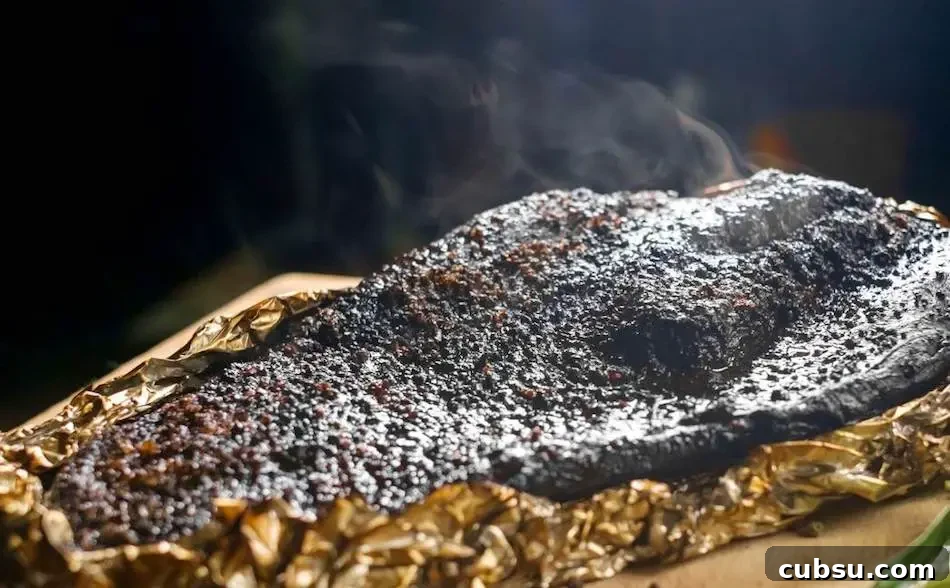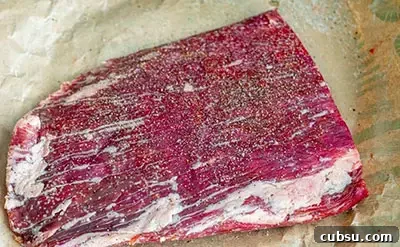
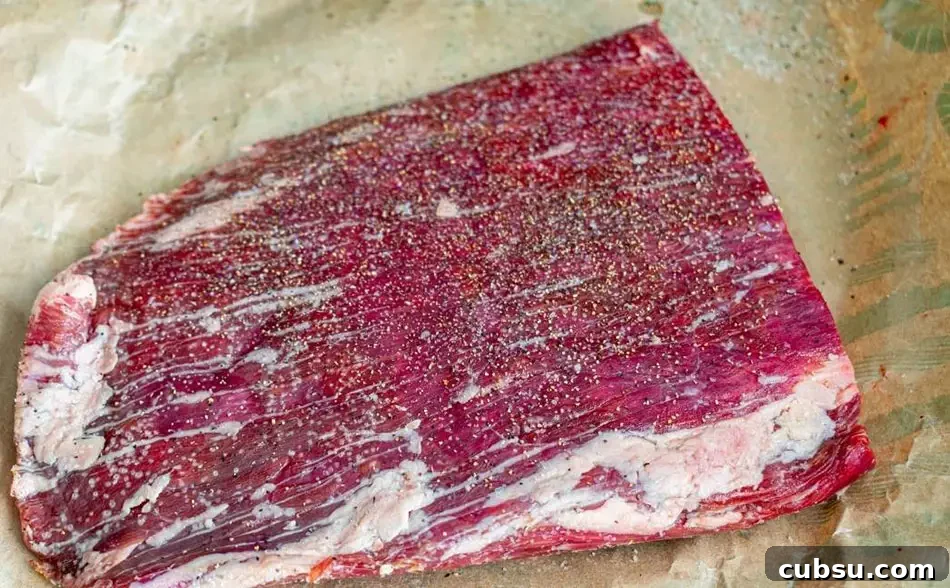
Cooking a brisket well takes patience, temperature control, and knowledge of the meat. One widely used technique is wrapping the brisket in butcher paper during the cook. Below we explain what butcher paper is, why pitmasters favor it, and what experts say about using it for brisket.
Butcher paper—sometimes called Kraft or pink paper—is a lightweight, unbleached paper commonly used in the meat industry. It’s made from untreated wood pulp and lacks waxes or resins found in other wrapping papers. Many barbecue pros prefer butcher paper because it helps retain moisture, promotes even cooking, and preserves smoke flavor. Unlike foil, butcher paper still allows the meat to breathe, which preserves bark while preventing excessive steaming.
Key Points
- Butcher paper is a lightweight, unbleached paper used to wrap and package fresh meat.
- It’s made from untreated wood pulp and does not contain waxes or resins.
- Wrapping brisket in butcher paper helps retain moisture and encourages an even cook for a tender result.
- Because it breathes, butcher paper can enhance and preserve smoke flavor and bark better than foil.
Here are the main benefits of wrapping a brisket in butcher paper:
- Moisture retention: Butcher paper helps hold in the meat’s natural juices, reducing the chance of a dry final product.
- Even cooking: The paper provides light insulation, helping minimize hot spots and producing a more consistent internal temperature.
- Improved smoke and bark: Because the paper breathes, it allows smoke to continue seasoning the meat while preventing the bark from becoming too soft, as can happen with foil.
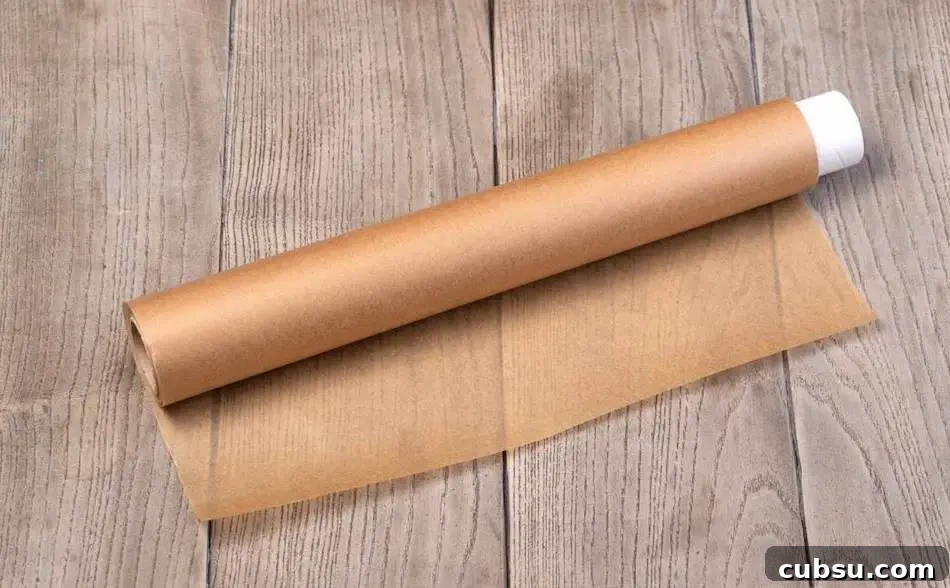
The Best Butcher Paper Products
There are many butcher paper brands and sizes available. Quality, width, and length vary, so choose based on how often you cook and whether you need paper for home, competition, or commercial use. Wider rolls (24-inch) are convenient for wrapping a whole brisket without seams, while 18-inch rolls often require overlapping sheets.
| Butcher Paper | Length | Width | Popularity | Price | Shop |
| Bryco Goods | 175 Ft | 18” | 19.5 k+ Plus Reviews (Amazon Bestseller) | $16 | Amazon |
| Bryco Goods | 175 Ft | 24” | 7k plus Amazon reviews | $22 | Amazon |
| Meat Hugger | 175 Ft | 17.25” | 11.5k plus Amazon reviews | $20 | Amazon |
| Reynolds | 225 sq. Ft | 20” | 4.6k plus Amazon reviews | $30 | Amazon |
| ABCO | 1000ft | 24” | Used at Franklin’s and Kreuz | Varies | ABCO Paper |
| DIY Crew | 200ft | 24” | 2k plus Amazon reviews | $25 | Amazon |
| Reli | 350 ft | 18” | 200 plus Amazon reviews | Varies | Amazon |
| Tenderlicious | 175ft | 24” | 8k plus Amazon reviews | $25 | Amazon |
| Traeger | 150ft | 18” | $45 | Traeger | |
| Pit Boss | 18.3” | $36 | Amazon | ||
| YRYM | 175 ft | 18” | 1300 plus Amazon reviews (Amazon Choice) | $15 | Amazon |
What the Experts Say
Many renowned pitmasters endorse butcher paper for brisket because it protects moisture and preserves bark while still allowing smoke to penetrate.
“I always wrap my brisket in butcher paper when I’m cooking it low and slow. It helps to keep the meat moist and allows it to finish cooking without drying out.”
– Myron Mixon, pitmaster and owner of Jack’s Old South BBQ
“I find that wrapping a brisket in butcher paper helps it to cook more evenly and retain more moisture. It’s a great way to get a tender, flavorful final product.”
– Adam Perry Lang, chef and barbecue expert
What Butcher Paper Does Aaron Franklin Use?
Aaron Franklin has used ABCO butcher paper for Franklin Barbecue. ABCO offers large 24-inch rolls of FDA-approved paper suitable for restaurants and catering. While ABCO is ideal for high-volume use, backyard cooks may prefer smaller retail options. ABCO is a good choice for competition cooks or businesses that need bulk supplies.
“Brisket, I like to cook it low and slow, wrapped in butcher paper. It comes out juicy and tender every time.”
– Aaron Franklin, pitmaster and owner of Franklin Barbecue
What Size Paper For Brisket?
Choose width based on the size of the brisket and convenience. A 24-inch width will typically wrap a whole brisket without seams. An 18-inch roll often requires two overlapping sheets, which can use more paper. For economy and ease, many pitmasters recommend 24-inch rolls.
“Wrapping a brisket in foil or butcher paper can be a great way to keep it moist and tender during the cooking process. I prefer butcher paper because it allows the meat to breathe, which can help to enhance the smoke flavor.”
– Chris Lilly, pitmaster and owner of Big Bob Gibson Bar-B-Q
What Kind of Butcher Paper For Brisket?
Always use food-grade, FDA-approved butcher paper for cooking. Craft, parchment, or waxed papers are not appropriate for a hot smoker: parchment often contains silicone or coatings, and waxed paper can melt or transfer unwanted substances. Look for uncoated, heat-resistant butcher paper labeled for food use.
Can I Use White Butcher Paper For Brisket?
Some butcher paper is white, but many brisket-focused papers are pink or peach. The key is to ensure the paper is designed and approved for cooking. Avoid generic white deli wrap that’s intended only for cold meat packaging.
“Wrapping your brisket in butcher paper can help it cook more evenly and retain more moisture, which leads to a more tender and flavorful final product.”
– John Markus, barbecue expert
How To Wrap Brisket In Butcher Paper – Step By Step
- If using an 18-inch roll, lay two sheets side by side. Place the brisket in the center, fat side up.
- Wrap the brisket tightly with two layers, ensuring a snug seal so minimal moisture and heat escape.
- Fold and tuck corners around the point and flat to create a compact package.
- Reinsert a thermometer probe before returning the brisket to the smoker to continue cooking to target temperature.
Add Beef Tallow Before Wrapping
Brushing or pouring beef tallow on the brisket before wrapping can add flavor and help retain moisture. Tallow melts into the meat during the rest of the cook, improving texture and richness. Tallow is easily rendered from beef fat for home use.
How Many Layers Of Butcher Paper For Brisket?
Two layers of butcher paper are recommended when using an 18-inch roll: overlap sheets and wrap tightly. A 24-inch roll may allow a single layer for most briskets. The aim is to prevent moisture and heat from escaping while still allowing some breathability to preserve bark.
“I think wrapping a brisket in butcher paper is the way to go. It helps to hold in all of the juices and smoke, resulting in a tender, flavorful final product.”
– Tim Love, chef and restaurateur
Why Wrap Brisket?
Wrapping serves several purposes: it prevents overcooking and edge charring, helps retain moisture, and speeds the cook through the stall. Brisket is a long cook—often 10 to 18 hours—so pitmasters frequently start unwrapped to develop bark and smoke flavor, then wrap for the finish.
Wrapping Will Speed Up The Cook
By trapping steam and heat, butcher paper helps the meat move through the stall more quickly and retain juices. This can shorten total cook time while protecting tenderness.
“Wrapping a brisket in butcher paper allows it to cook evenly and helps to keep it moist. I find that it results in a more tender and flavorful final product.”
– Tootsie Tomanetz, pitmaster at Snow’s BBQ
Wrapping Helps Push Through The Stall
The stall commonly appears around 150°–160°F when evaporative cooling slows the internal rise. Wrapping raises retained heat and moisture, helping the brisket progress toward the target finish temperature (often around 200°–205°F for tenderness).
“I wrap my brisket in butcher paper about halfway through the cook. This helps to keep it moist and lets it finish cooking without drying out.”
– Wayne Mueller, pitmaster at Louie Mueller Barbecue
Paper Or Foil?
Foil is common and traps more moisture, producing a softer bark. Butcher paper has become popular because it allows some breathing, preserving a firmer bark and richer smoke character. Choose foil when you want maximum speed and moisture retention; choose butcher paper when bark texture and smoke flavor are priorities.
Butcher Paper Or Parchment Paper For Brisket?
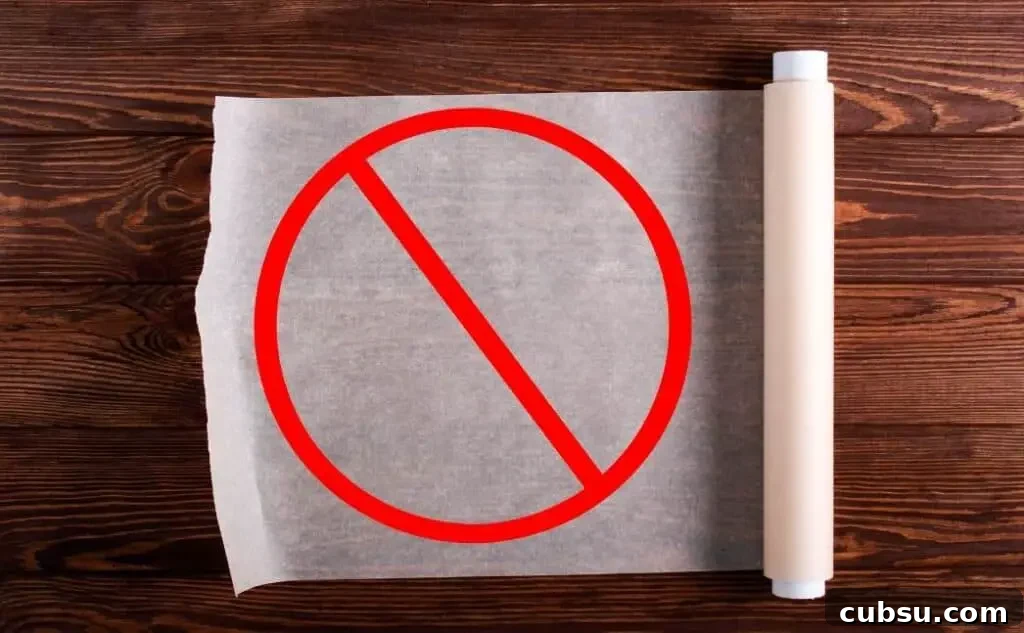
Do not use parchment or waxed baking paper for smoking brisket. Those papers often have silicone coatings or waxes unsuited to prolonged high-heat exposure. Use uncoated, food-grade butcher paper labeled for cooking.
Can I Use Waxed Butcher Paper For Brisket?
Waxed paper, parchment with coatings, or similar products are not recommended for smoking brisket. They can melt or transfer unwanted substances—stick to FDA-approved, uncoated butcher paper for safe, reliable results.
When To Wrap Brisket In Butcher Paper?
Timing matters. Start the cook unwrapped to build bark and absorb smoke—typically the first 5–7 hours depending on temperature and brisket size. Wrap once the bark is set and the brisket begins to stall. The ideal wrap window is often when the internal temperature is between 150° and 170°F, but texture and bark readiness should guide the decision. If the rub still comes off on your finger, wait longer; once the bark is set and doesn’t stick, it’s safe to wrap.
What Temp To Wrap Brisket In Butcher Paper?
Many pitmasters wrap around 160°F, which often coincides with stall onset and a developed bark. However, don’t rely on temperature alone—assess color, texture, and bark readiness to decide when to wrap.
Using butcher paper is a proven approach for producing tender, flavorful brisket with a strong bark and deep smoke character. If you want better bark and balanced moisture, try wrapping in uncoated, food-grade butcher paper during the latter stage of the cook.
“When To Wrap Pulled Pork – Timing Is Everything”