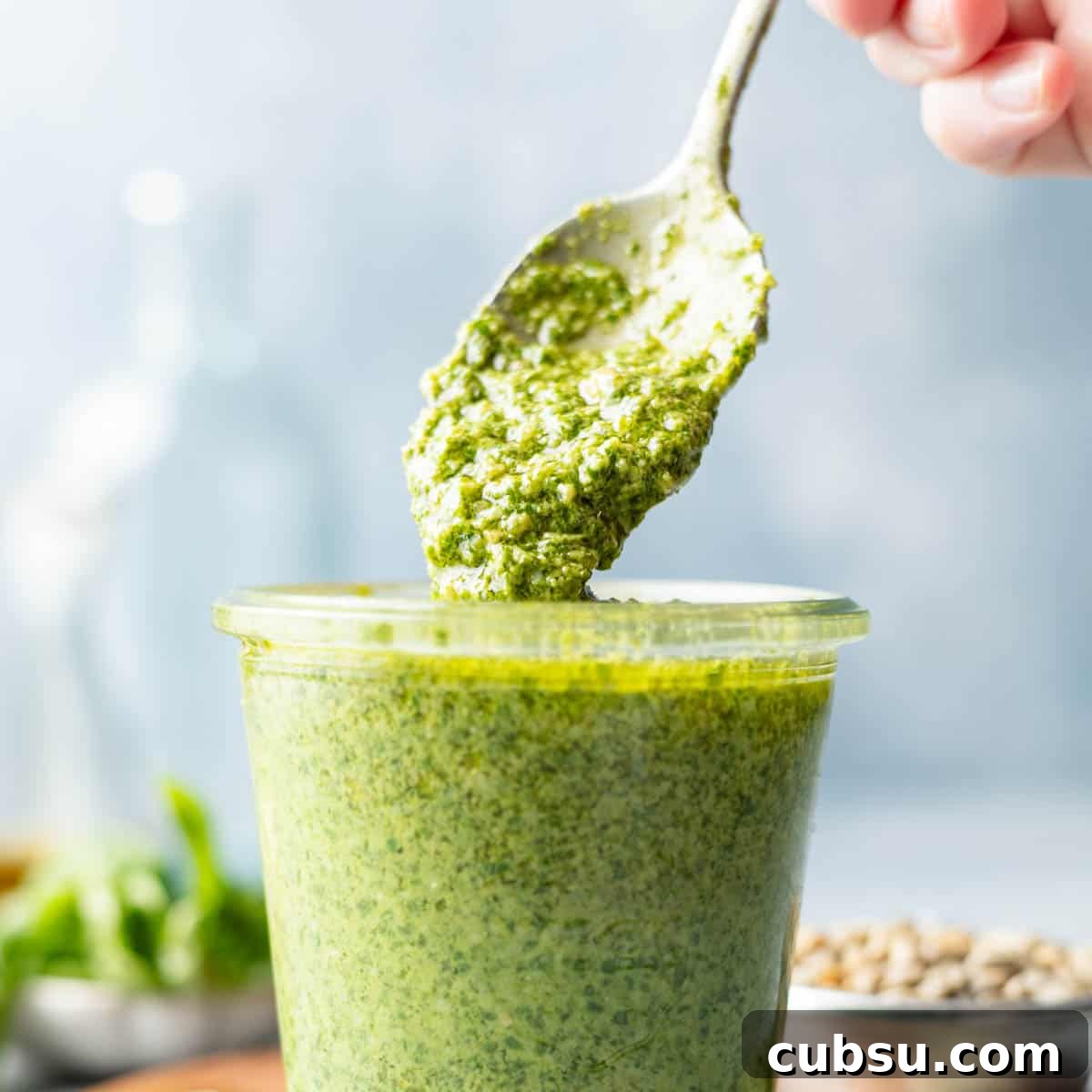
Wondering how to make pesto without pine nuts? This nut-free pesto recipe is perfect for you. Prepare a vibrant, flavorful basil pesto in under 10 minutes using simple ingredients—ideal for pasta, pizza, sandwiches, and dipping.
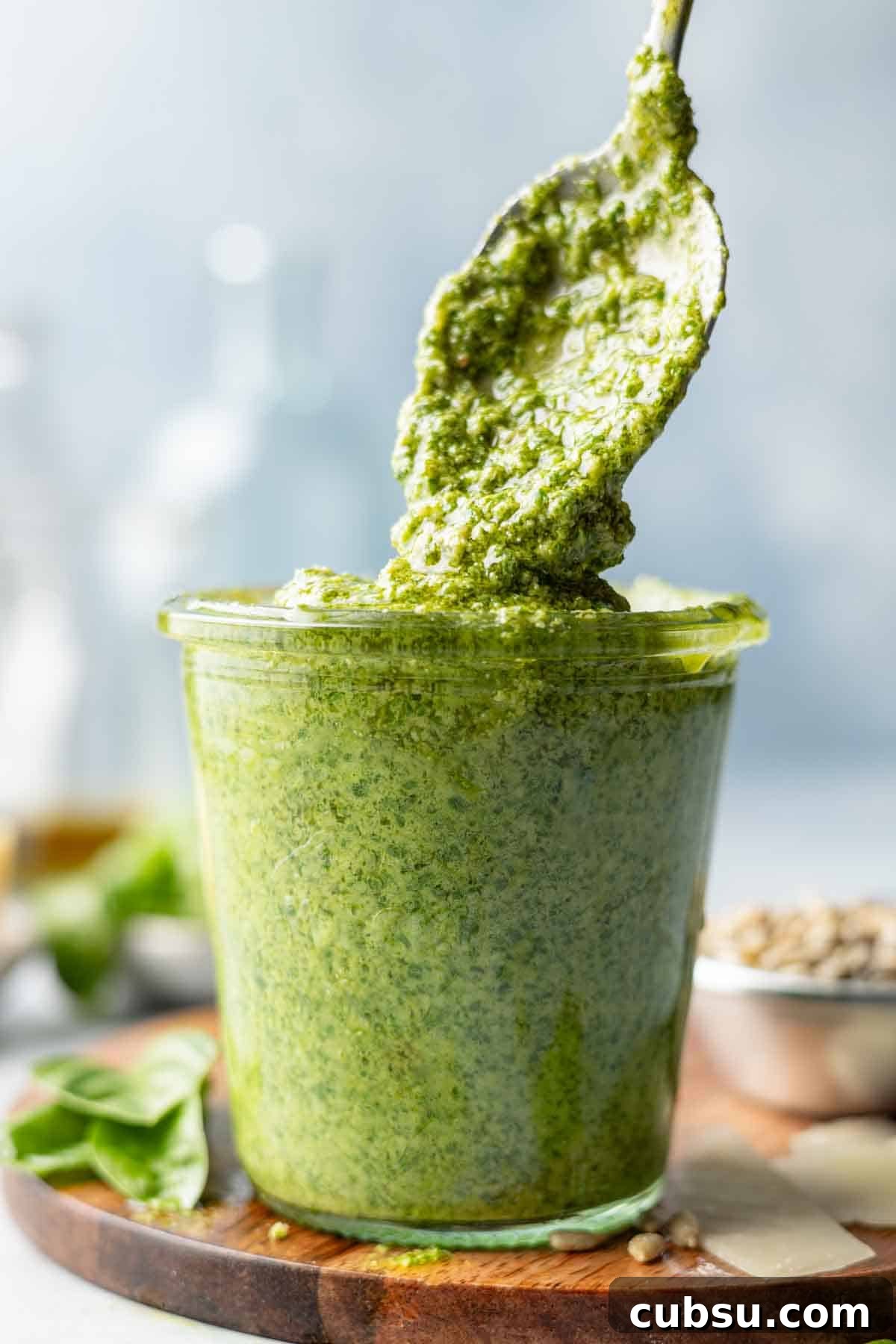
If you or someone in your household has tree nut allergies, store-bought pestos can be risky because many include pine nuts or other nuts. The good news is that making a delicious homemade pesto without pine nuts is easy, economical, and lets you control every ingredient. This recipe swaps traditional pine nuts for sunflower seeds, keeping the familiar nutty depth while remaining nut-free and allergy-friendly.
Recipe Testing Notes
Traditional basil pesto is a simple sauce where each component plays an important role. Pine nuts normally provide a faintly sweet, buttery nuttiness and a creamy mouthfeel. To recreate that profile without tree nuts, I tested several substitutes and found unsalted sunflower seeds give the closest texture and flavor balance when blended with fresh basil, parmesan, garlic, lemon, and olive oil.
Sunflower seeds are readily available, budget-friendly, and—when toasted—deliver a rich, toasty note that helps the pesto taste full and rounded. If you prefer other options, the recipe notes below list alternative seed substitutes that also work well in nut-free pesto.
Ingredients for Nut-Free Pesto Sauce
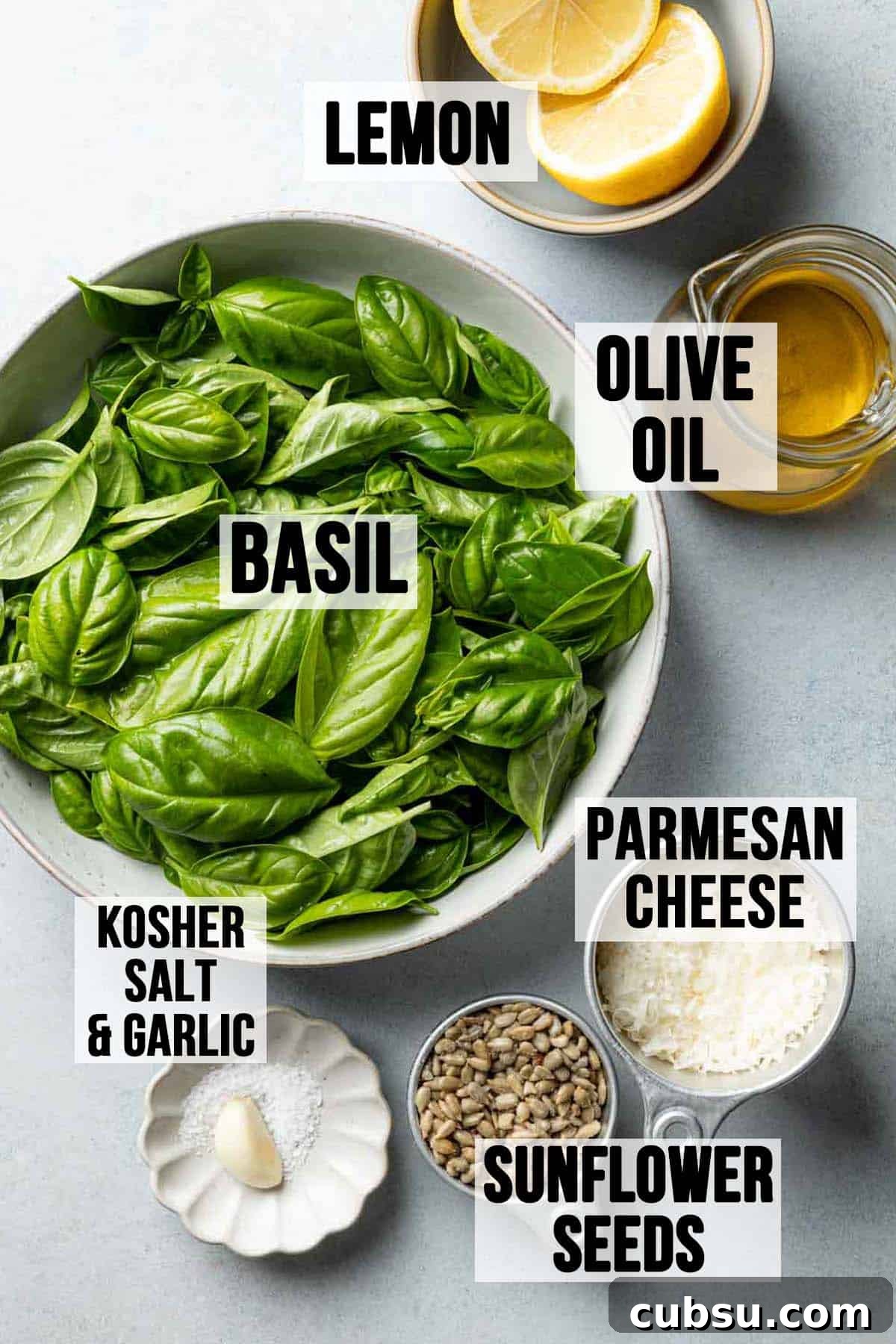
- Fresh basil: Use abundant, vibrant leaves for the best flavor and color.
- Fresh Parmesan cheese: Grated Parmigiano-Reggiano or Pecorino Romano both work well.
- Sunflower seeds: Unsalted and preferably roasted for deeper flavor. If you use salted seeds, reduce or omit added salt.
- Fresh garlic: One clove provides bright savory heat—avoid powdered garlic for best flavor.
- Lemon juice: Fresh-squeezed lemon juice brightens the pesto and helps preserve the green color; a small amount of zest enhances aroma.
- Extra-virgin olive oil: Use a good-quality oil you enjoy, since its flavor is prominent in the finished sauce.
*See the recipe card below for exact quantities and full ingredient list.
Other Pine Nut Substitutes
- Pumpkin seeds: Also called pepitas; they add a mild, nutty flavor and creamy texture when blended.
- Hemp seeds: Offer a slightly earthy, delicate flavor and smooth texture—good for a lighter pesto.
- Sesame seeds: Toasted sesame seeds deliver deep, toasty richness; start with a smaller amount as their flavor can be assertive.
Pesto Variations
- Spinach pesto: Replace half the basil with fresh baby spinach for a milder, nutrient-packed sauce.
- Sun-dried tomato pesto: Reduce basil slightly and blend in oil-packed sun-dried tomatoes for a savory, slightly sweet twist.
- Arugula pesto: Use arugula for a peppery, bold pesto—great on roasted vegetables or grilled meats.
- Kale pesto: Swap basil for tender kale leaves for a hearty, iron-rich sauce.
- Vegan pesto: Replace the parmesan with nutritional yeast and use a plant-based oil for a dairy-free version.
Equipment
A food processor or high-powered blender makes quick work of pesto. A food processor usually yields a slightly more textured pesto, while a high-speed blender produces a smoother sauce. Either will produce excellent results—use what you have on hand.
How to Make Pesto Without Pine Nuts
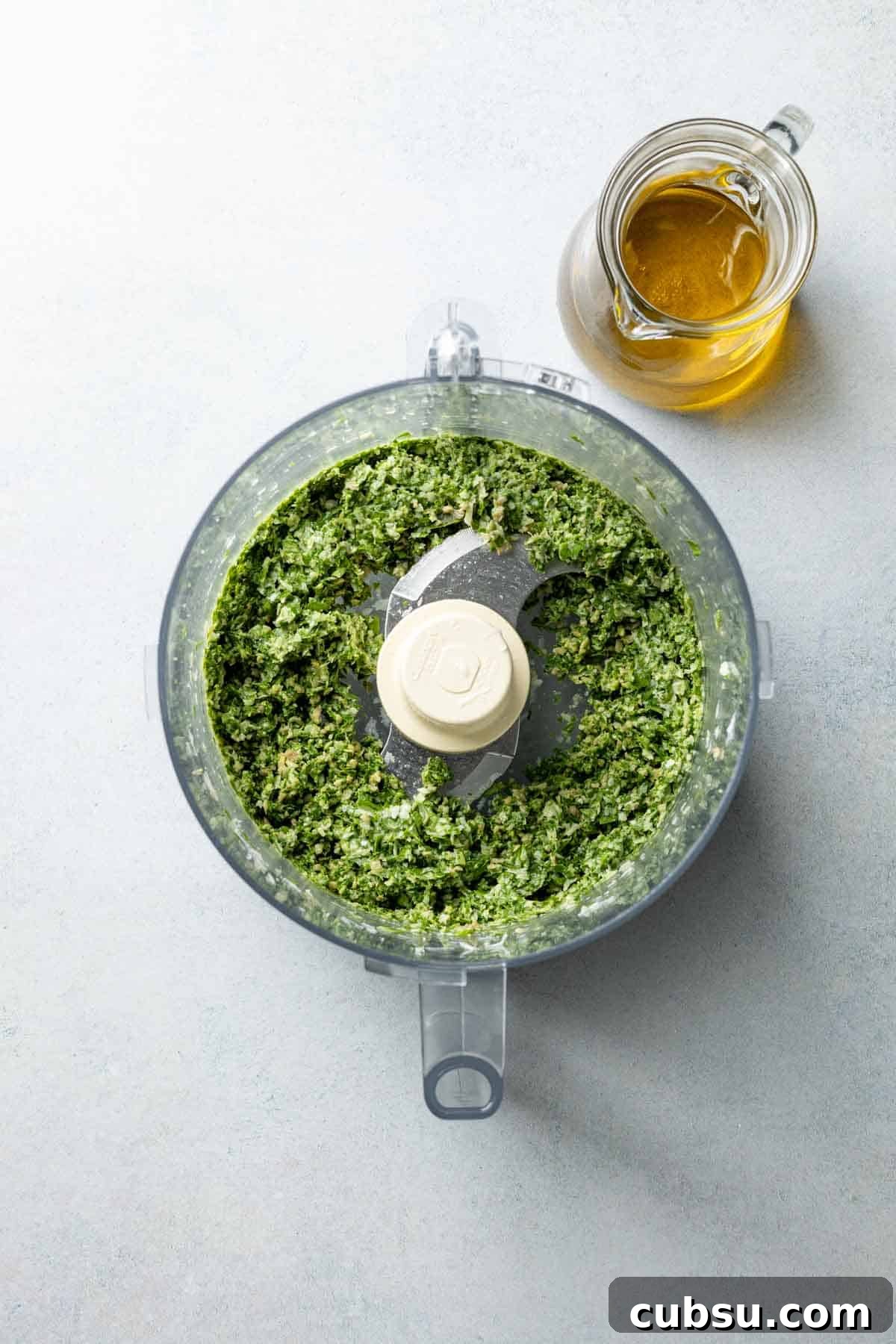
To prepare the pesto: add the fresh basil leaves, grated parmesan, sunflower seeds, garlic, lemon juice, and kosher salt to the bowl of a food processor. Pulse several times to break down the ingredients and combine them evenly. With the processor running, slowly drizzle in the extra-virgin olive oil until the mixture reaches your desired consistency—slightly chunky or smooth. Blend a few more seconds so the flavors meld. Taste and adjust seasoning, adding more salt or lemon as needed.
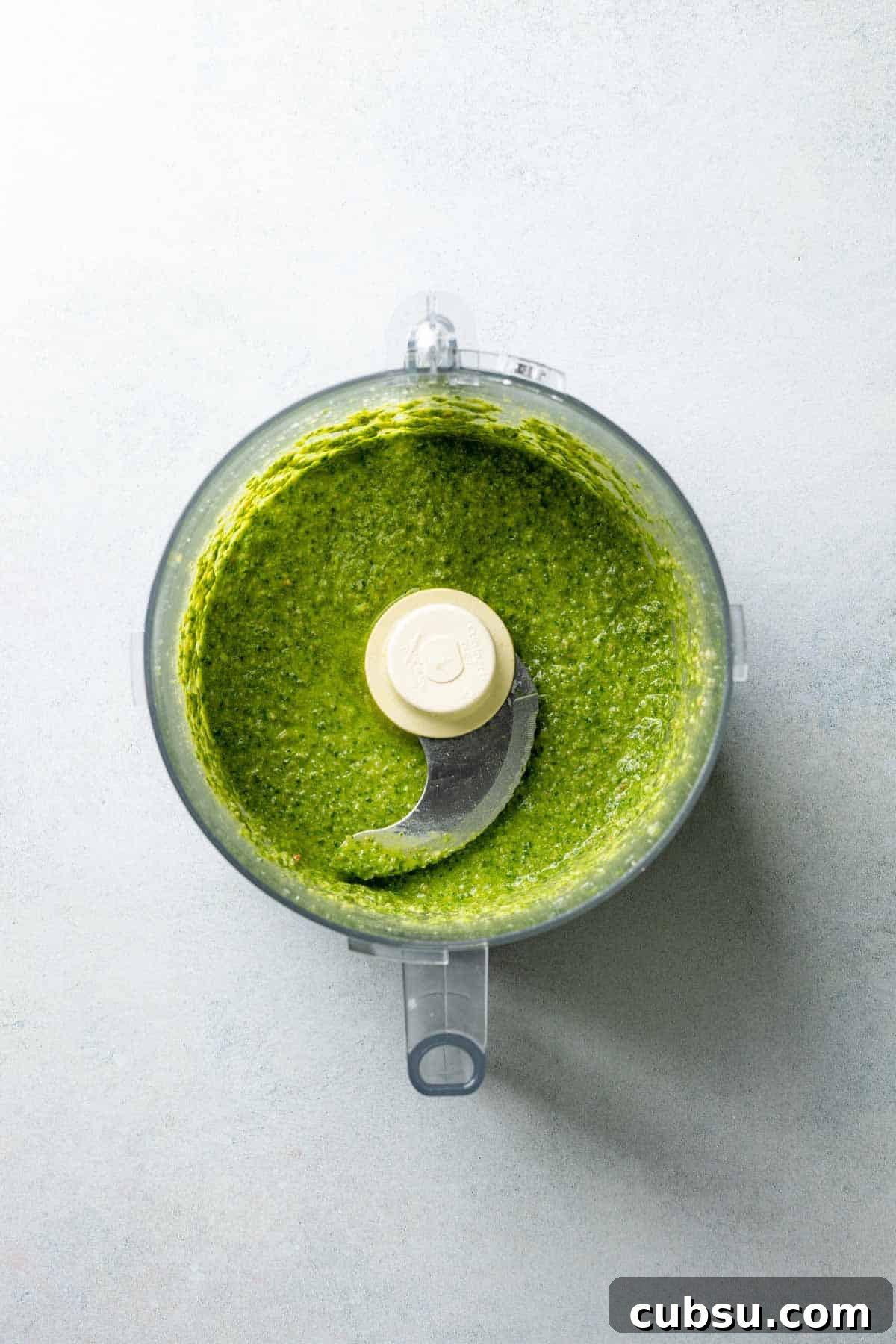
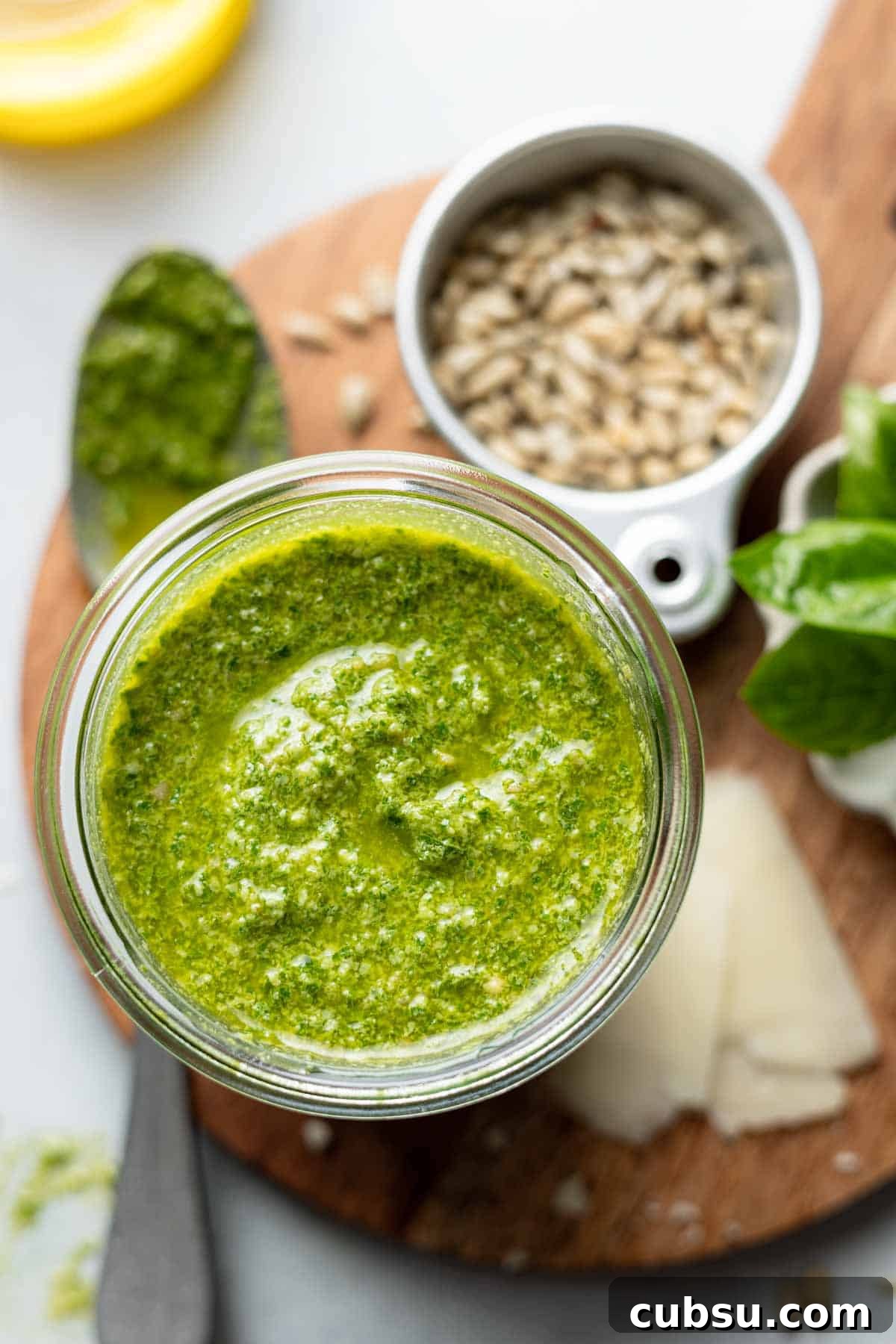
Use immediately tossed with pasta, as a spread on sandwiches, a drizzle over grilled chicken or fish, or as the base for homemade pizza. The fresh lemon and basil keep the pesto bright, while the sunflower seeds provide that satisfying, nutty backbone.
How to Freeze Pesto
Freeze pesto in portions by spooning it into ice cube trays or small containers. Once frozen, transfer cubes to a labeled freezer bag or airtight container. Frozen pesto keeps well for at least three months and is perfect for adding a punch of flavor to sauces, soups, or cooked grains year-round.
How Long Does Pesto Last?
Stored in an airtight container in the refrigerator, nut-free pesto will keep for about 4–5 days. To reduce browning and oxidation, press a thin layer of olive oil across the surface before sealing. For longer storage, freeze in portions.
What to Serve With Nut-Free Pesto
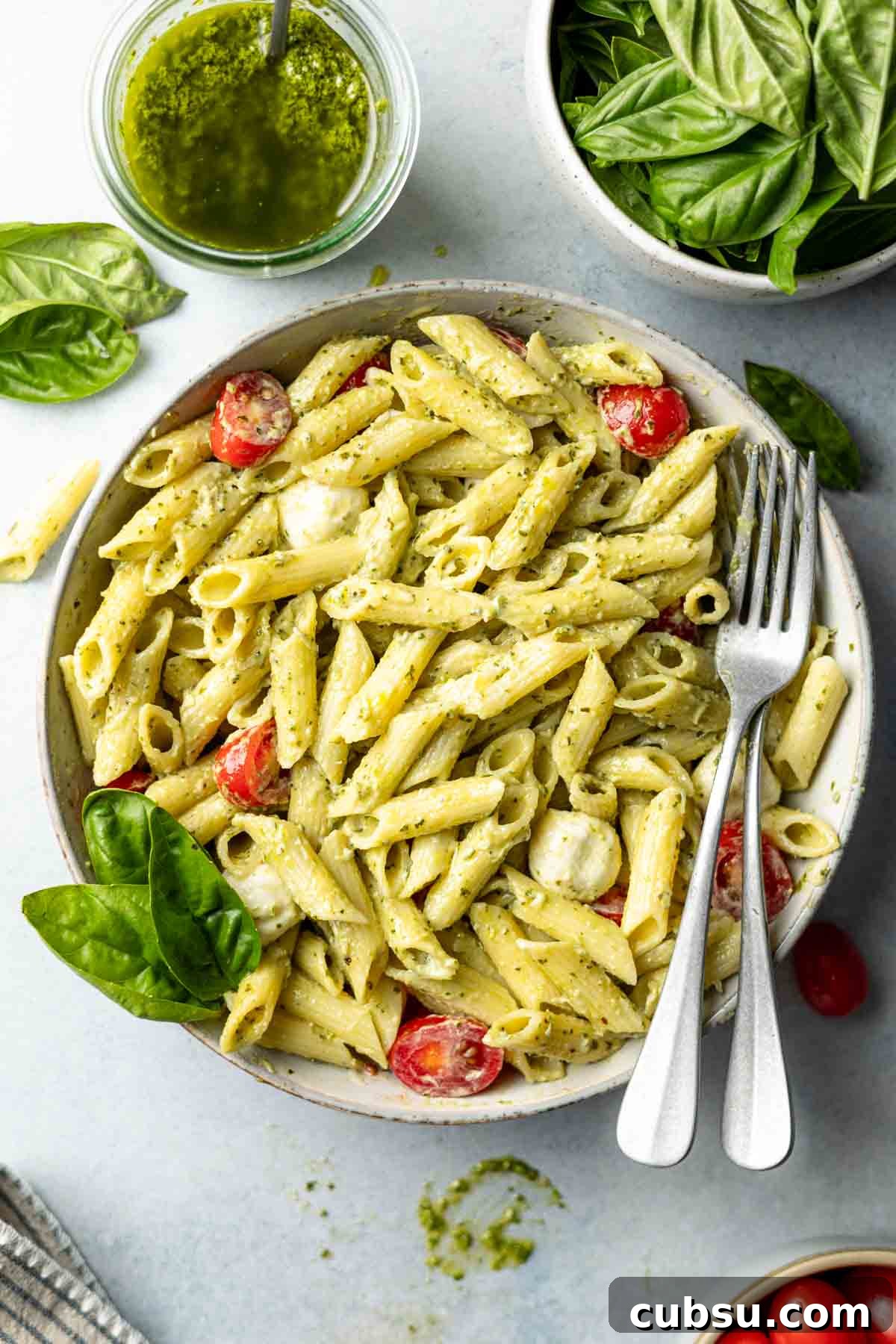
Fresh pesto pairs beautifully with many dishes. Toss it with hot pasta and a bit of reserved pasta water to make a silky sauce, spread it on pizza instead of tomato sauce, mix it into grain bowls or salads, stir into ricotta for a flavorful dip, or spoon over roasted vegetables. It also brightens chicken, fish, and sandwiches.
Top Recipe Tips
- Sunflower seeds: Roasted, shelled seeds give the most flavor—avoid seeds still in the shell.
- Fresh ingredients: Use bright, unwilted basil and freshly grated cheese for the best taste and color.
- Adjust consistency: Add more olive oil to thin the pesto or less for a thicker texture.
- Storage: Keep pesto in an airtight jar, press oil over the top to limit air exposure, refrigerate for short-term use, or freeze portions for later.
Recipe FAQs
Pine nuts contribute a classic nutty richness and creamy mouthfeel, but they are not essential. The core pesto flavors come from basil, garlic, olive oil, and cheese, so suitable seed substitutes—like sunflower or pumpkin seeds—can successfully replace pine nuts while keeping the sauce delicious.
Genovese (sweet) basil is ideal for pesto due to its large, tender leaves and balanced, sweet flavor. If unavailable, any fresh sweet basil will work; avoid strongly flavored varieties like Thai basil which can change the classic pesto profile.
Bitter notes in pesto often come from rancid oil or seeds, over-blended garlic, or using wilted or damaged basil leaves. Proper storage and fresh ingredients help avoid bitterness.
Recipe
Basil Pesto Sauce without Pine Nuts
Make this tasty basil pesto without pine nuts in under 10 minutes with just a few simple ingredients. Perfect for pasta, pizza, and sandwiches.
Ingredients
- 3 cups fresh basil leaves (loosely packed)
- 3/4 cup grated Parmesan cheese
- 1/4 cup sunflower seeds (unsalted)
- 2 Tablespoons fresh lemon juice (juice from one lemon)
- 1 garlic clove
- 1/2 teaspoon kosher salt (omit if using salted seeds)
- 1/2 cup extra-virgin olive oil
Instructions
- Pulse the basil leaves, grated parmesan, sunflower seeds, lemon juice, garlic, and salt in a food processor until finely chopped.
- With the processor running, slowly drizzle in the olive oil until the mixture comes together.
- Continue processing a few more seconds until the pesto is smooth or reaches your preferred texture. Taste and adjust salt or lemon as needed.
Notes
Yield: Makes about 1 cup of pesto. Store unused pesto in an airtight container in the refrigerator and add a thin layer of olive oil on top to help prevent oxidation. Freeze portions for longer storage.
Estimated Nutrition
Serving: 2 tablespoons • Calories: 184 kcal • Carbohydrates: 2 g • Protein: 5 g • Fat: 18 g