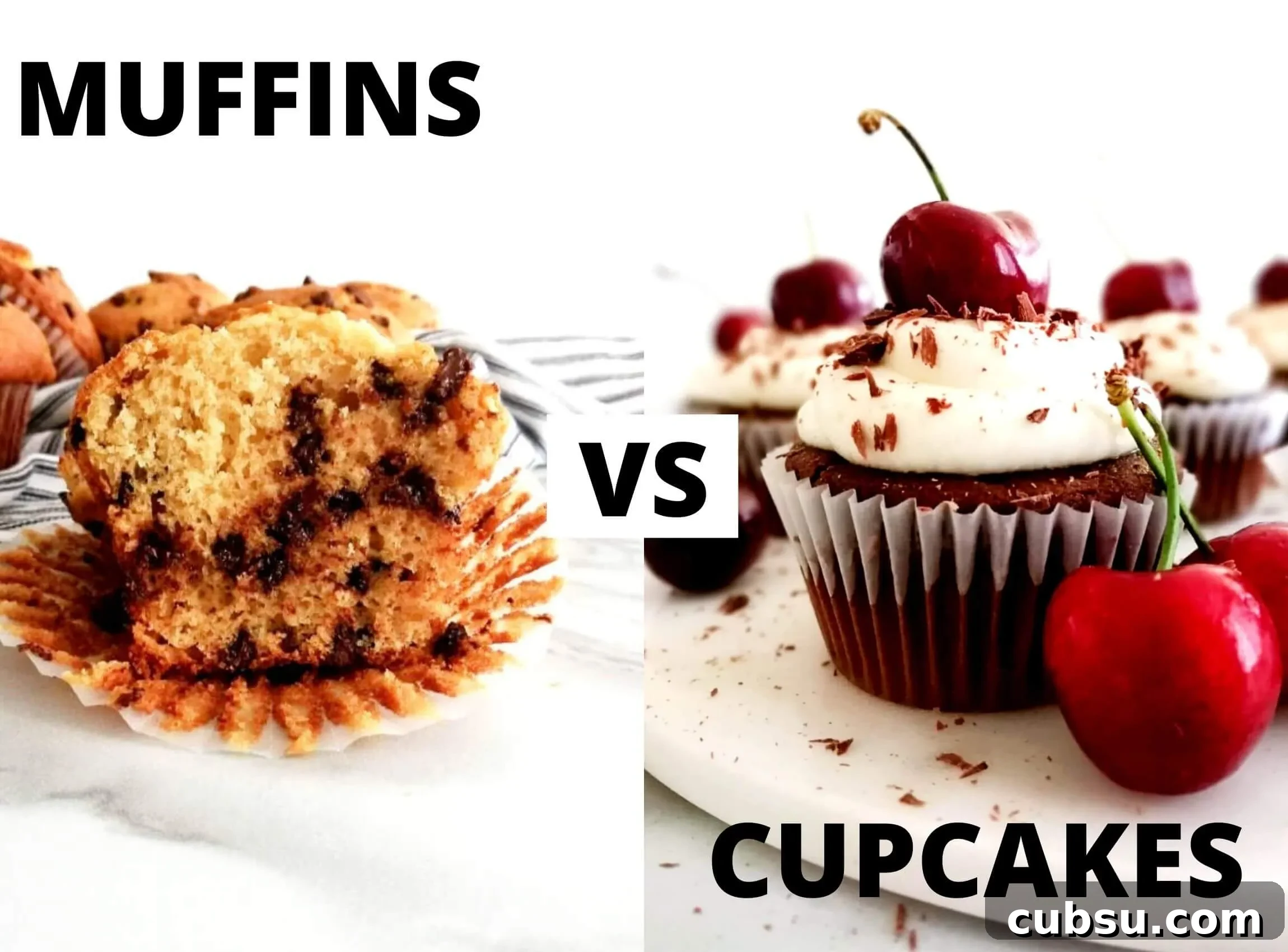
Have you ever paused to wonder what truly separates a muffin from a cupcake? If so, you’re in the right place. This guide breaks down the key differences between muffins and cupcakes in clear, practical terms so you can spot the distinctions every time.
We’ll cover appearance, ingredients, texture, methods, typical add-ins, and even the shape of the top. Read on to learn how small changes in technique and ingredients produce two very different baked goods.
Muffins vs Cupcakes:
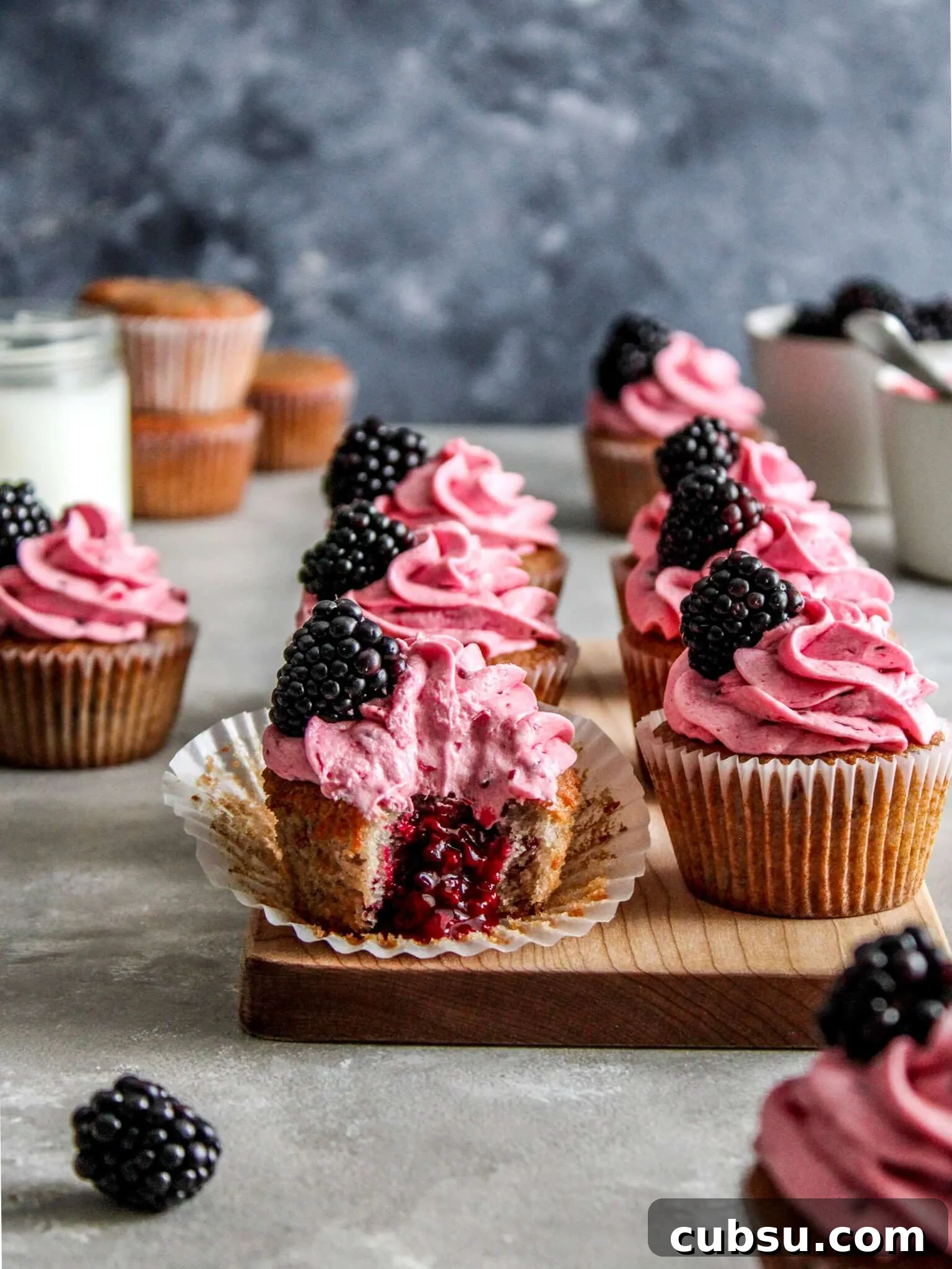
In simple terms, cupcakes are essentially mini cakes and are most often frosted, while muffins are closer to quick breads and usually have no frosting. That said, there are exceptions — some cupcakes come unfrosted and some muffins are topped — so look beyond just the presence of frosting.
Frosting is often the easiest clue, but to reliably tell them apart you should also consider texture, ingredients, method, and toppings. Below we examine each characteristic so you can confidently identify which is which.
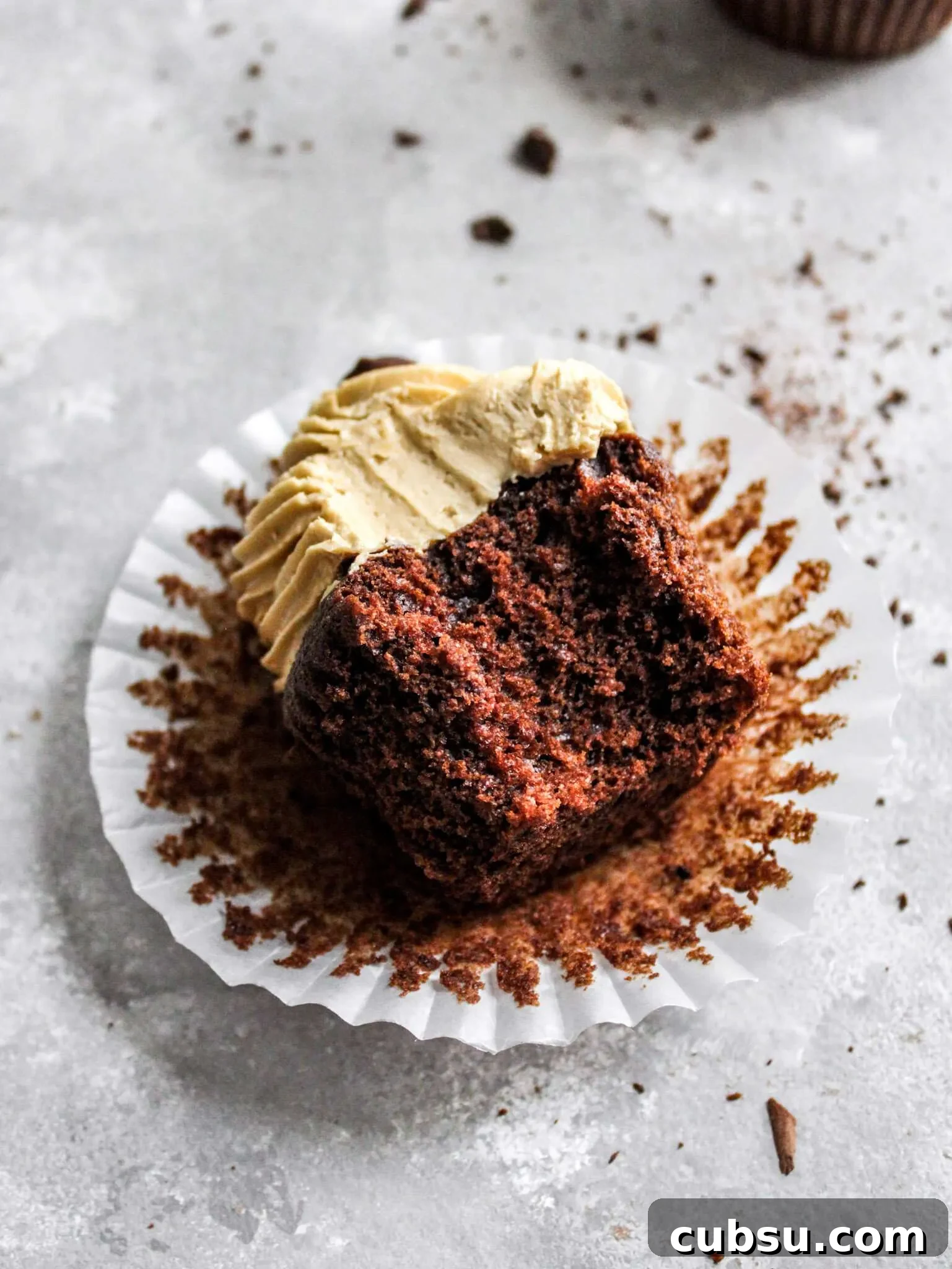
Sweetness, fats, and overall healthiness
Cupcakes tend to be sweeter and use more butter in the batter, often relying on granulated or brown sugar. The richer batter contributes to a cake-like flavor and mouthfeel.
Muffins commonly use oil as the main fat, and they usually contain less sugar. Because muffin recipes more frequently swap refined sugar for alternatives like maple syrup, honey, applesauce, or coconut sugar, muffins are often perceived as the healthier option and more suitable for breakfast.
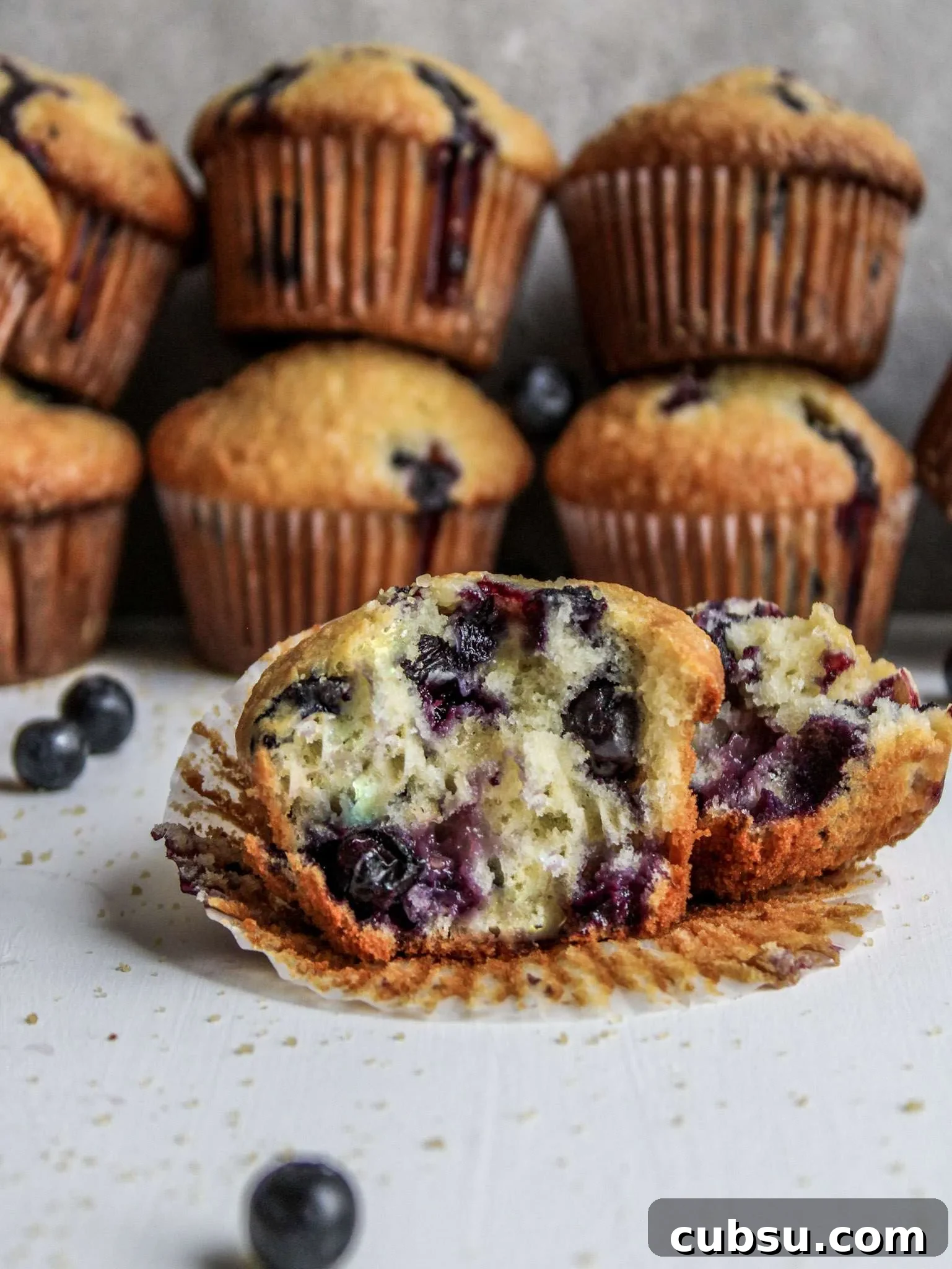
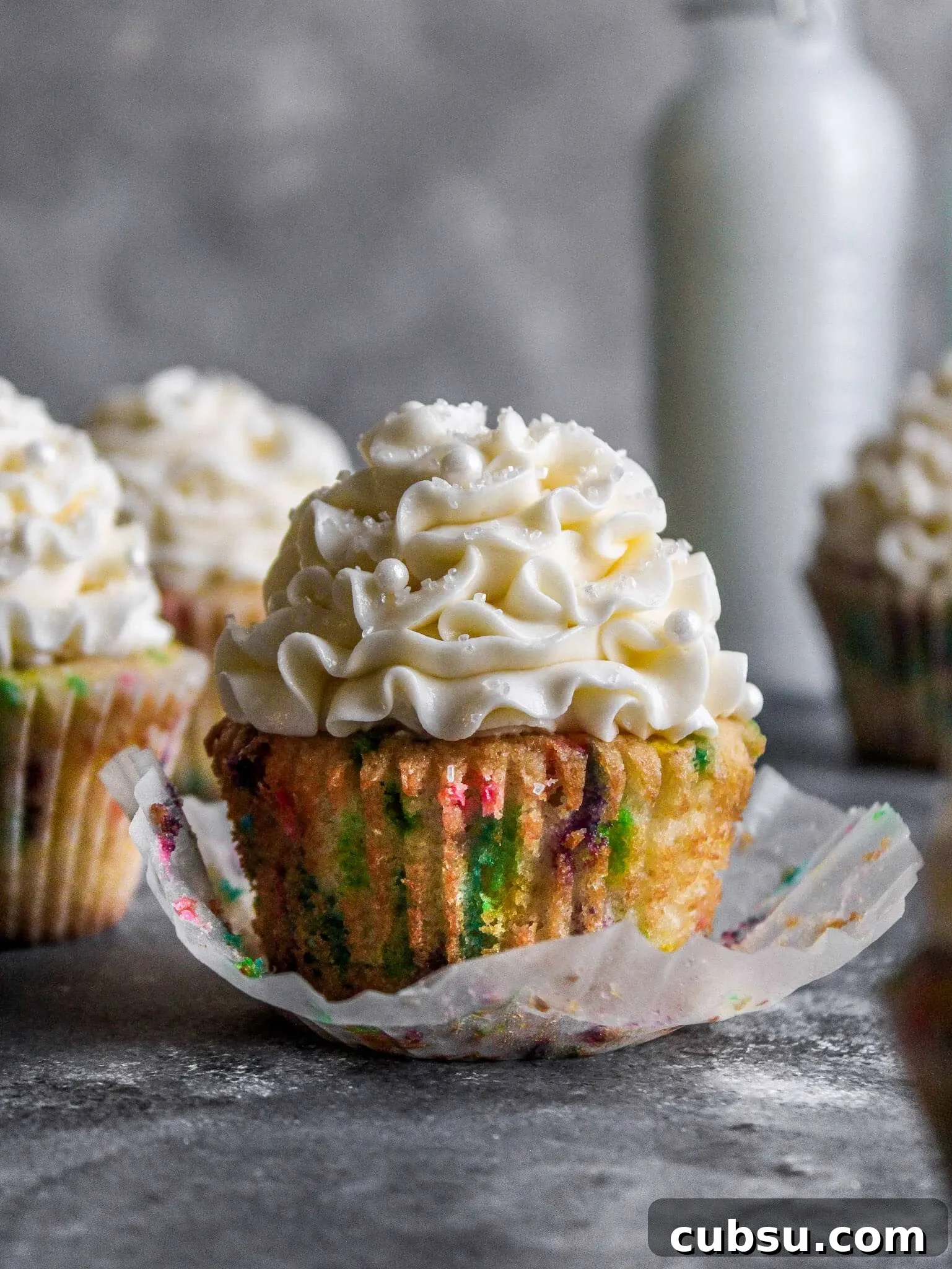
Texture
Cupcakes are usually light, tender, and soft. That delicate crumb comes from creaming butter and sugar to incorporate air and often from using ingredients like milk or sour cream.
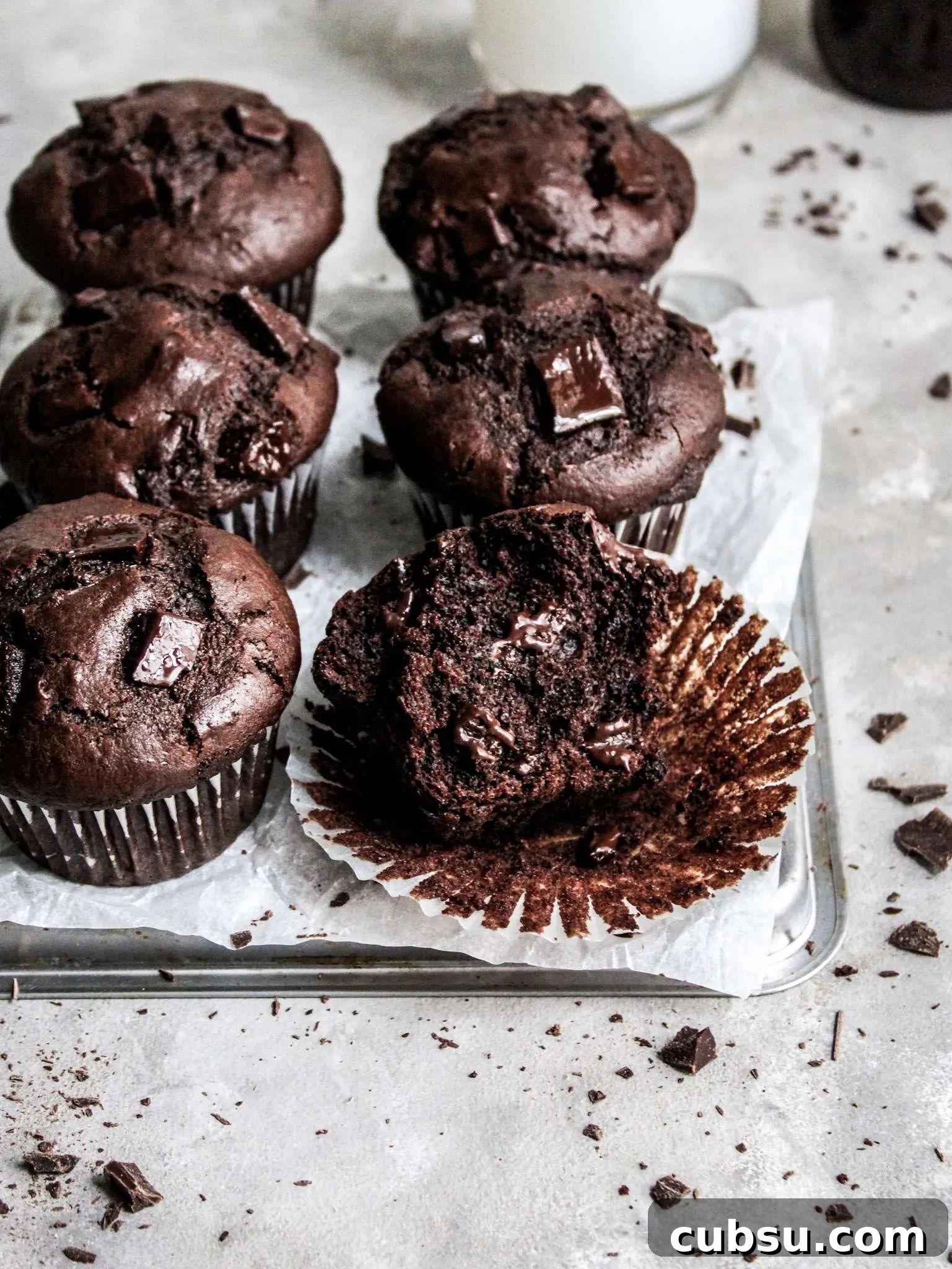
Muffins are typically denser and heartier because their batter is mixed less and contains fewer aerating steps. The result is a sturdier crumb that holds add-ins well.
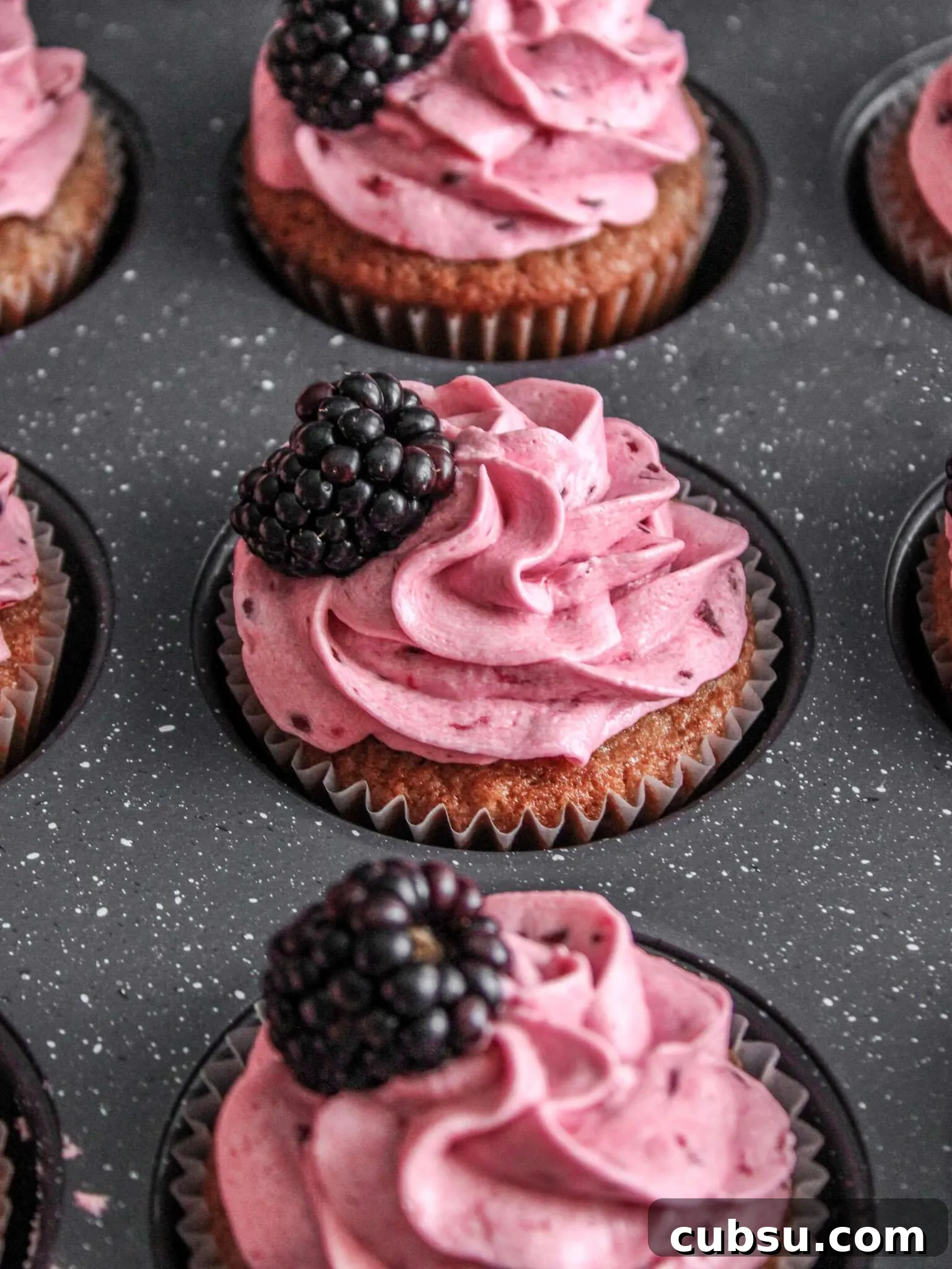
How they’re made
Cupcake recipes often use the creaming method: beating butter and sugar until light, adding eggs gradually, and folding in dry ingredients with milk or sour cream. This technique produces an airy, cake-like structure.
Muffins are usually made with the quick-bread method: mix wet ingredients in one bowl, dry ingredients in another, then combine with minimal mixing and add any mix-ins. The approach is simpler and faster, emphasizing convenience and texture over lift.
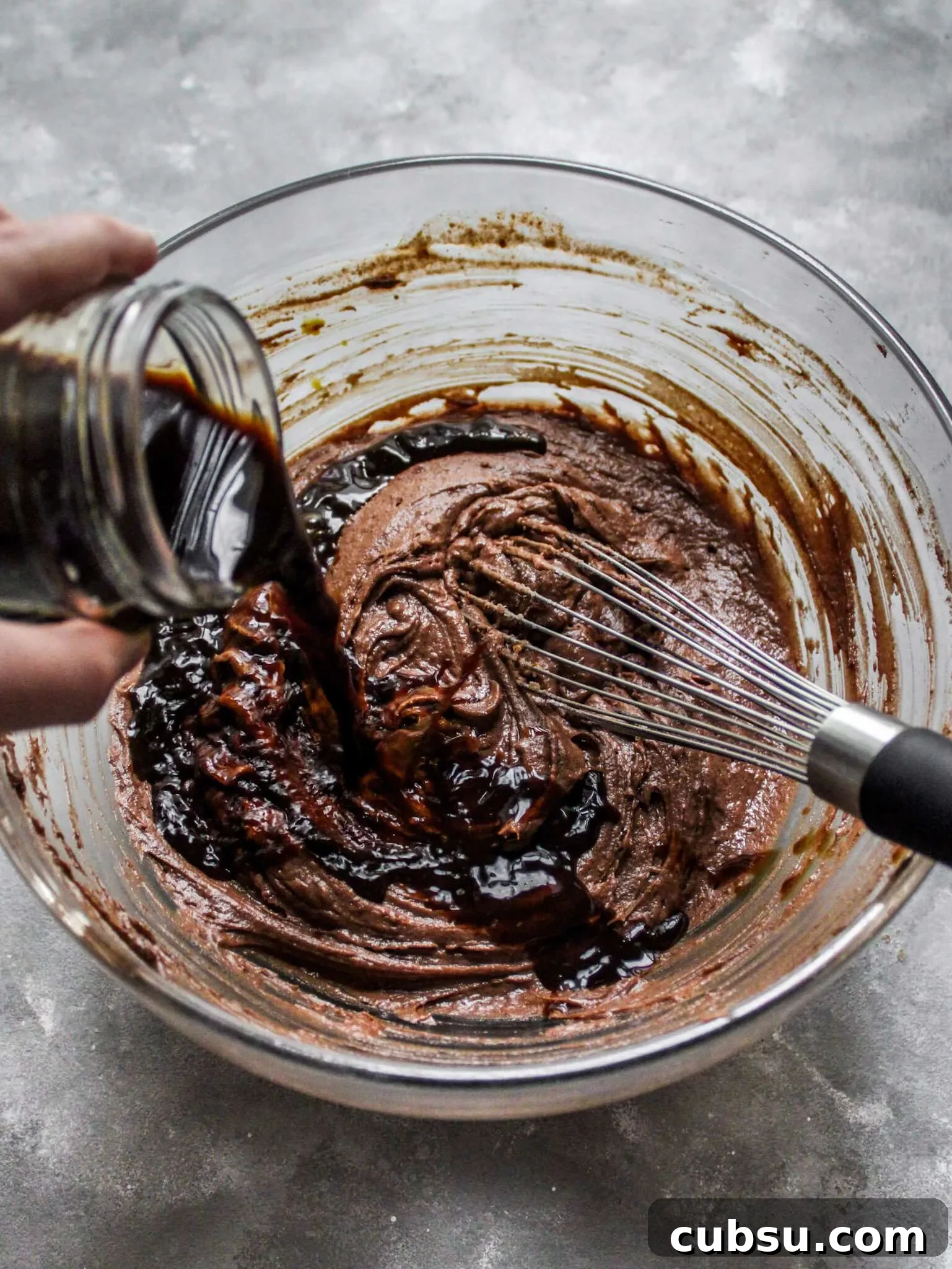
Because cupcakes often demand more precise mixing and timing, they’re sometimes described as slightly more technical than muffins, but both are very accessible once you understand the basic techniques.
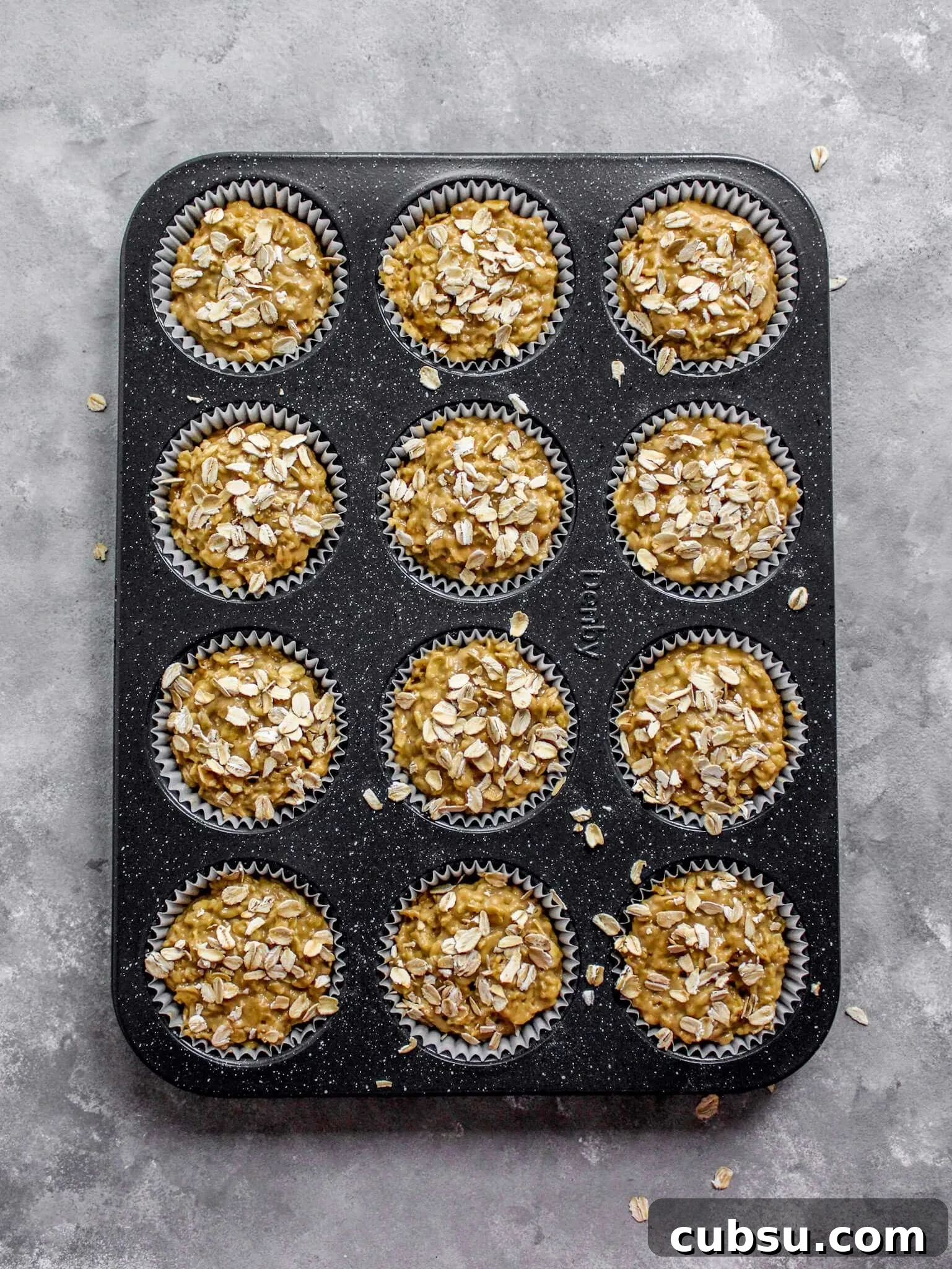
Speaking of add-ins …
Flavors and add-ins
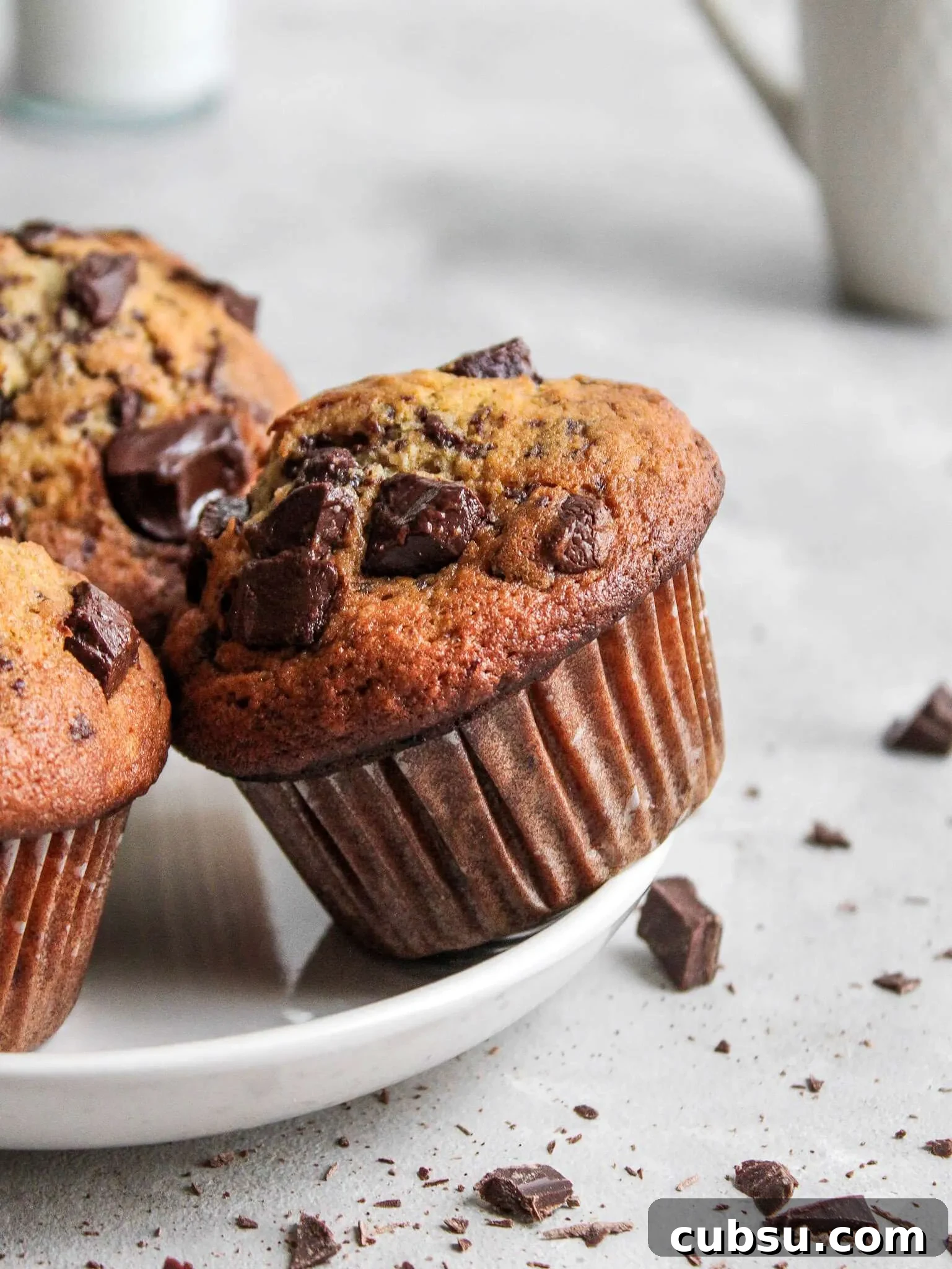
Muffins frequently include mix-ins such as fresh or dried fruit, chocolate chips, nuts, or spices mixed directly into the batter. These additions contribute to the denser texture and can transform a basic muffin into a more substantial snack or breakfast item.
Cupcake batters are usually kept plainer so the frosting and decoration can shine. Common cupcake flavors include chocolate, vanilla, and red velvet. Occasional exceptions like funfetti or filled cupcake batters do exist, but they’re less common than mix-in-heavy muffins.
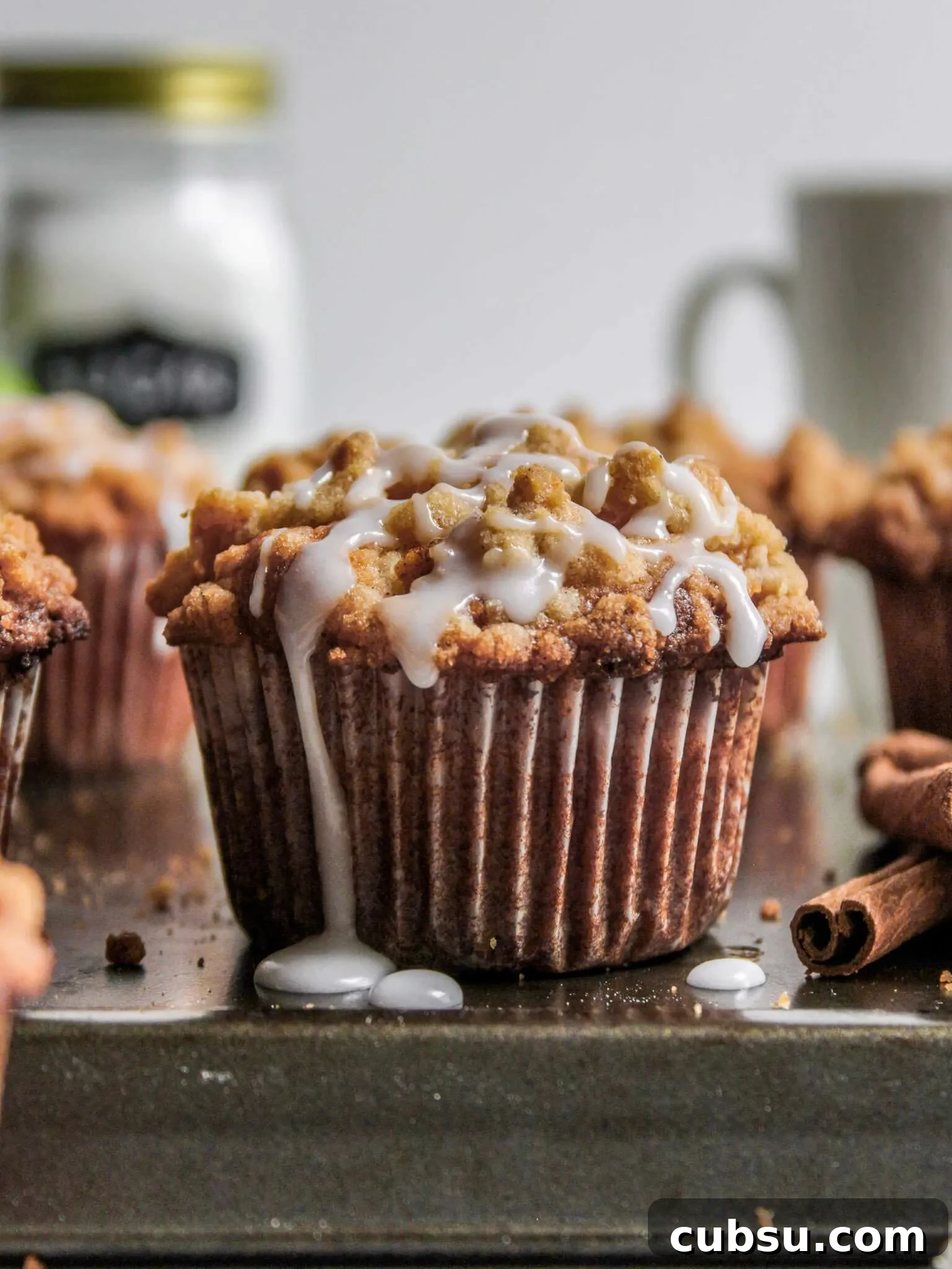
Muffin tops vs Cupcake tops
One visible difference is the top. Muffins often have tall, domed “muffin tops” that many bakers prize. Recipes may call for filling the tin nearly to the top to achieve that height.
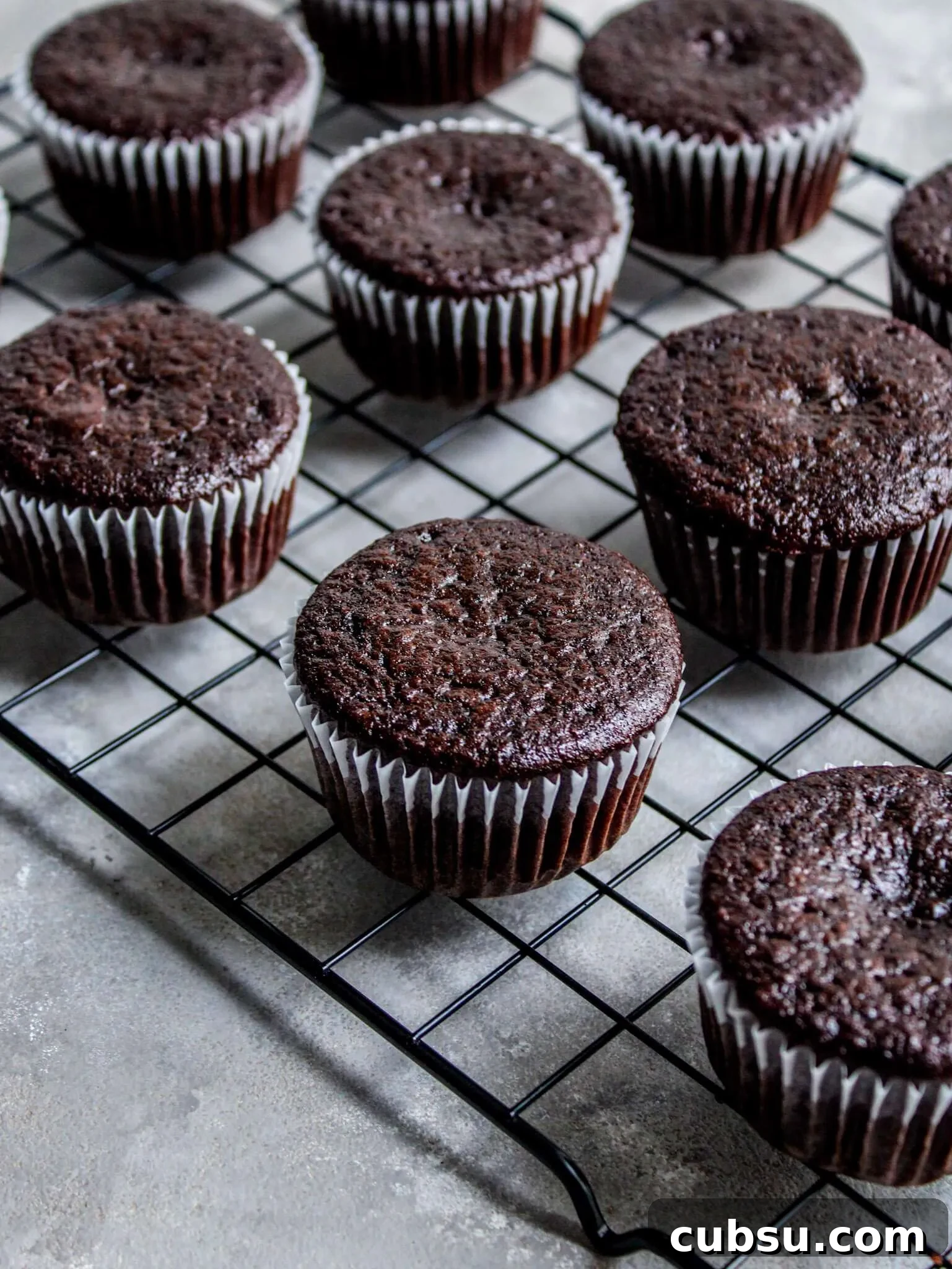
Cupcakes, on the other hand, are usually baked lower and flatter so there’s a smooth surface for frosting. Most cupcake recipes recommend filling liners only about two-thirds full to leave space for rising without excessive doming.
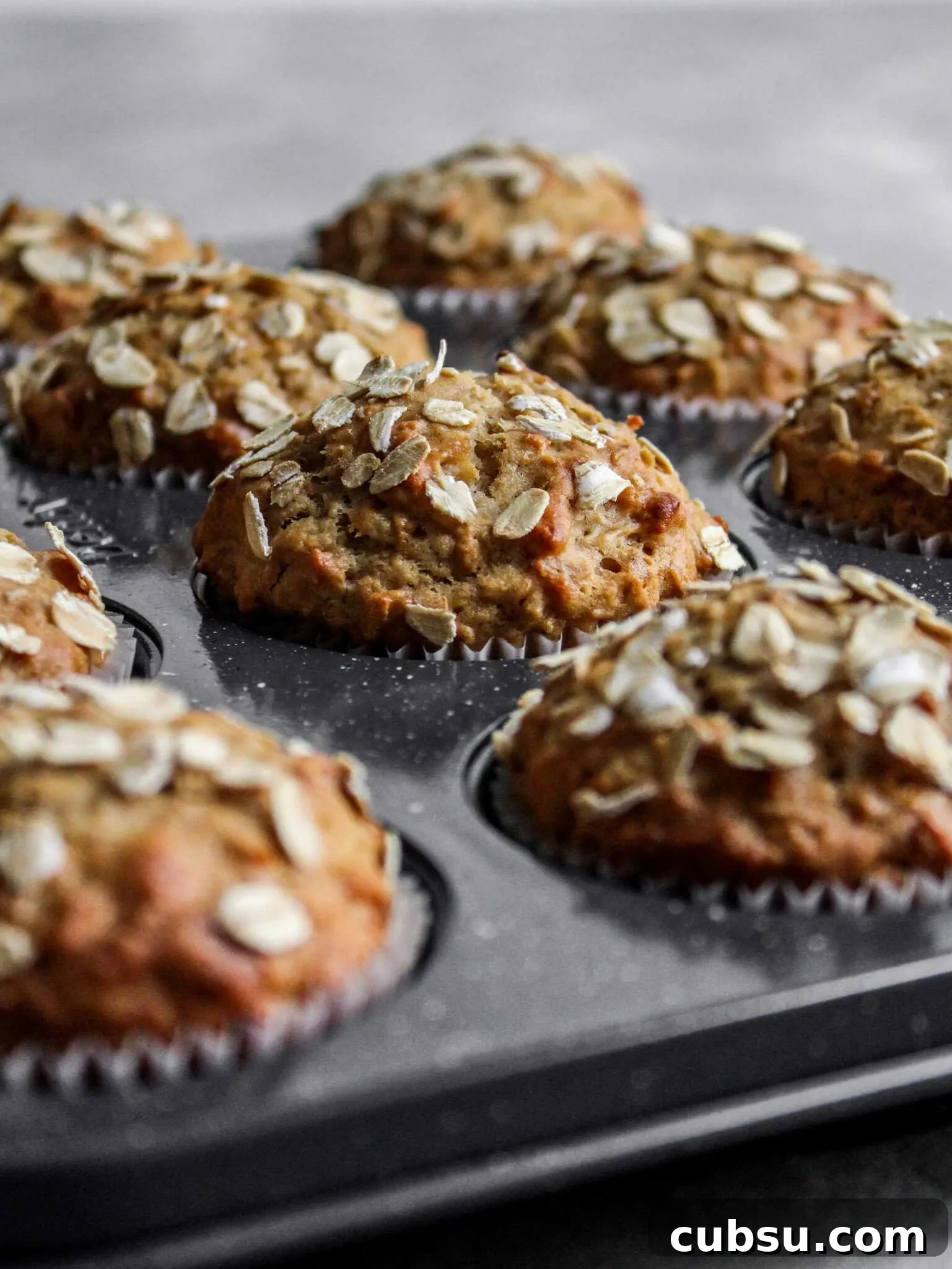
The point is…
Most of the time you can tell whether you’re eating a muffin or a cupcake by checking for frosting. But the distinction goes deeper: texture (cupcakes lighter, muffins denser), method (cupcakes require more creaming and technique), add-ins (muffins often studded, cupcakes usually plain), and top shape (muffins domed, cupcakes flatter).
There are exceptions to every guideline, and ultimately the best part is enjoying whichever treat you prefer. Both muffins and cupcakes have their place and are delicious in their own ways.
Looking for recipes? Check out these:
Muffin recipes
• blueberry muffins
• banana muffins
• carrot muffins
• chocolate chunk muffins
Cupcake recipes
• red velvet cupcakes
• black forest cupcakes
• chocolate espresso cupcakes
• sour cream vanilla cupcakes
• funfetti cupcakes
• moist chocolate cupcakes
• easy vanilla cupcakes
Frosting recipes
• vanilla buttercream
• chocolate buttercream
• chocolate ganache
• espresso buttercream
• cream cheese frosting