Tonight we celebrate one year of Rolling Spoon — a podcast where Elizabeth and I talk with bands and musicians about what they like to cook, eat, and where they stop on the road. It’s been a joyful year of conversations about food and travel. We’ve chatted with artists like ZZ Top, Neko Case, Mudhoney, Loverboy, Bananarama, Jann Arden, Blue Rodeo, and Martha Wainwright. Because Rolling Spoon is all about eating well and having fun, and because everyone loves a pie party, we decided to throw one to mark the occasion.
I made several pies for the celebration — better to have too much than not enough. There was a strawberry-rhubarb pie, a bourbon salted caramel ice cream pie, and a mango-strawberry-raspberry galette using puff pastry. And it was the perfect excuse to finally make a Momofuku crack pie, something I’d never had the chance to taste despite visiting Momofuku before. The crack pie has a notorious reputation for being decadently rich, and it did not disappoint.
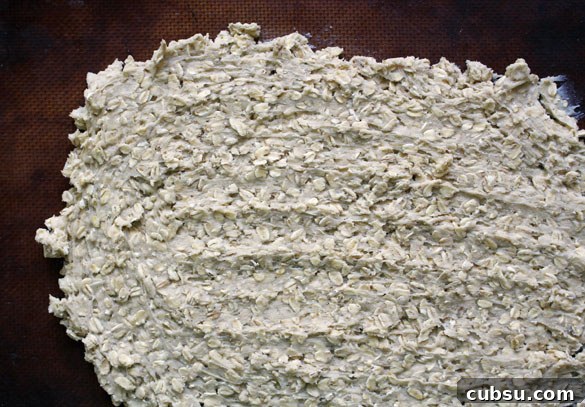
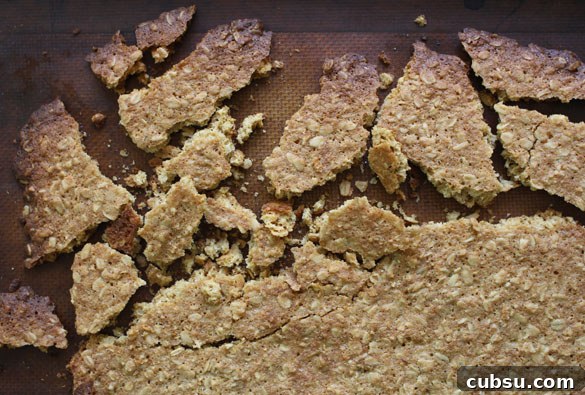
At its heart, crack pie is essentially an indulgent combination of butter and sugar on an oatmeal cookie base — a kind of deliberate carb-loading that rewards the most devoted sweet tooth. The crust is made by baking a large sheet of cookie batter, then breaking it into pieces and pressing those pieces into the pan to form a rough, textured crust. It’s a different approach compared to rolling pastry: instead of working with a soft, flaky dough, you create a coarse, sugary cookie that becomes the foundation of the pie. The process is simple but satisfying — spread the batter on a baking sheet, bake until golden, then bash and press it into shape.
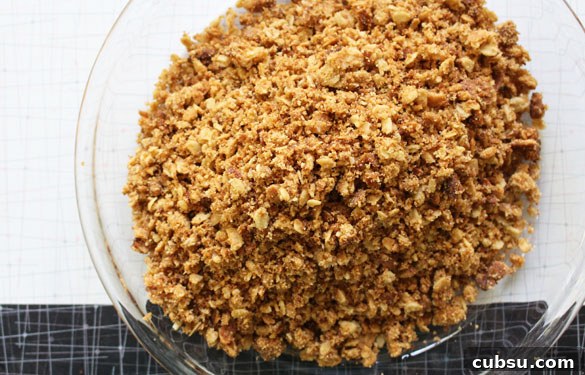
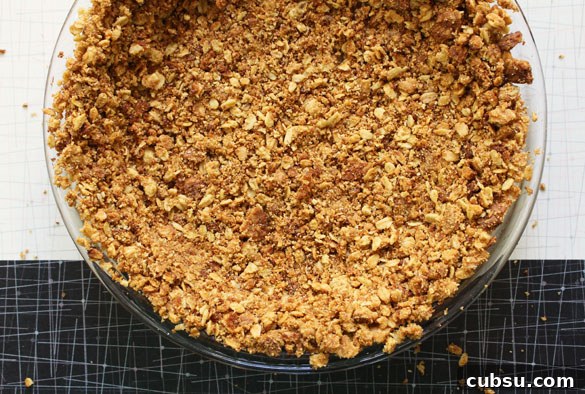
After breaking the baked cookie into chunks, I mixed in a little soft butter and brown sugar to help the crumbs bind into a pressable crust. You could pulse the mixture in a food processor for a finer texture, but I deliberately kept it chunky — the nubbly pieces add a pleasant contrast to the silky custard filling. Think of it as an upside-down crumble that holds everything together while contributing extra caramelized flavor and texture.
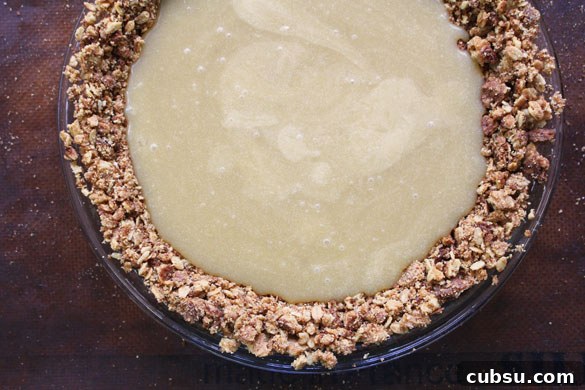
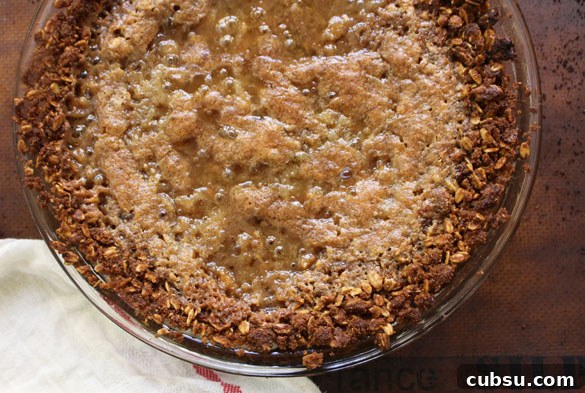
The filling is where the magic happens: melted butter, brown sugar, egg yolks, and cream combine into a caramel-like custard. It sits somewhere between a dense caramel and a custardy brûlée — rich and silky, with a deep toffee flavor from the brown sugar. When it bakes, the edges set more firmly while the center remains slightly jiggly, gleaming with a slick of butter on top. That shiny finish is part of the pie’s allure.
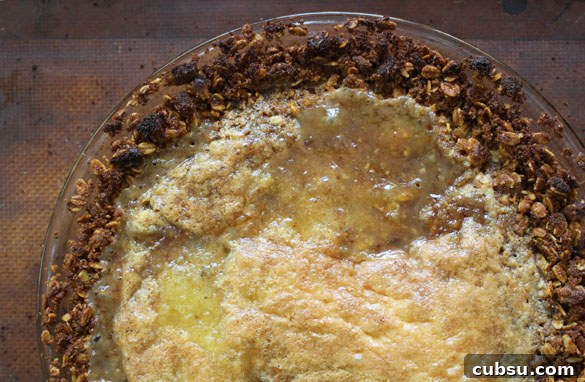
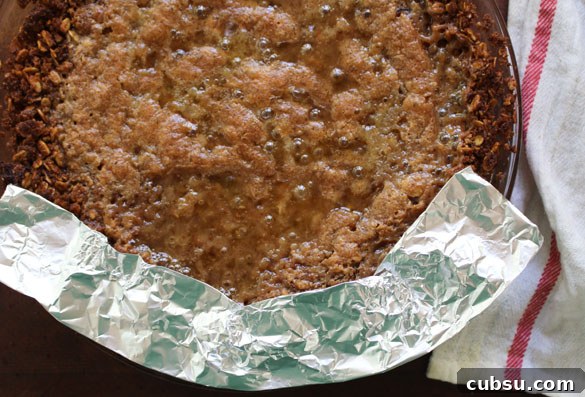
My oven runs a little unevenly, so one side darkened faster than the other after about half an hour of baking. A strip of foil over the darker edge tamed the color while the rest continued to set. Little adjustments like that help you get an even bake when equipment isn’t perfect. The finished pie looks deceptively simple — brown and glossy — but a single slice reveals layers of texture: crunchy, buttery crust; dense, chewy filling; and a mouth-coating buttery finish.
Once chilled, the filling firms up into a dense, sliceable square, though I found it most enjoyable eaten with my fingers. The chilled pie offers a contrast between the crunchy cookie base and the chewy, almost fudgy center. It’s intensely sweet, so smaller portions are satisfying — a little goes a long way. For serving, a modest fork is usually enough; when friends are gathered, it often turns into a fast-paced free-for-all of quick forkfuls and happy exclamations.
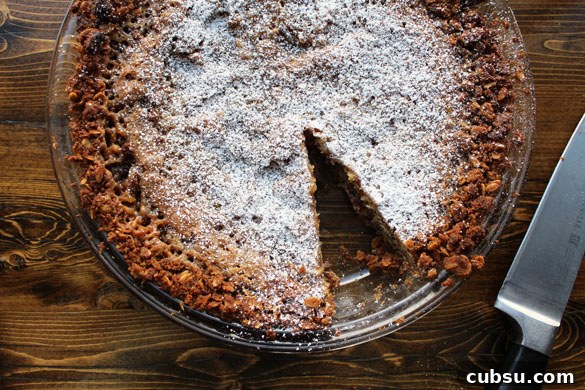
In the end, the crack pie lived up to its reputation as an unapologetically rich, utterly addictive dessert. Its combination of textures and deep caramel notes makes it a memorable finale to any meal or a decadent centerpiece for a pie party. Whether you cut neat slices or hand out forks and let guests fend for themselves, this pie rewards indulgence and communal enjoyment in equal measure.
Momofuku Crack Pie Notes
Crust: made from a baked oatmeal-style cookie pressed into the pan; keep it coarse for texture.
Filling: brown sugar, butter, egg yolks, and cream form a caramel-like custard that sets chilled.
Baking tip: watch for oven hot spots and tent with foil if edges brown unevenly.
Serving: chill until firm, serve in small portions — very rich, best shared.