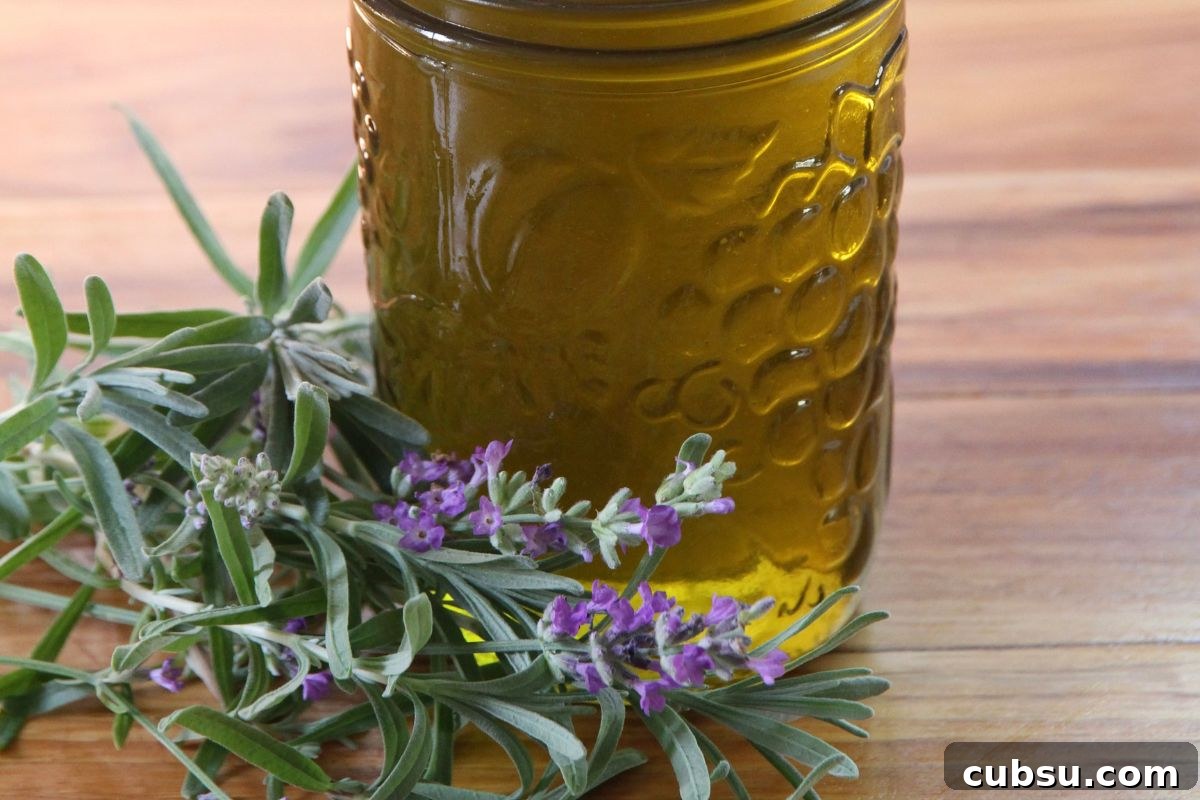
Learn how to make lavender-infused oil for homemade skincare using fresh lavender from the garden. This simple infusion captures lavender’s gentle aroma and skin-supporting properties, letting you create natural body care products without relying solely on essential oils.
If you make your own lotions, balms, or body oils and have access to fresh lavender, this method is an economical and satisfying way to add botanical benefits to your recipes. Making your own infused oil is hands-on and scalable — you can prepare a large jar in one batch and reuse the oil for multiple products.
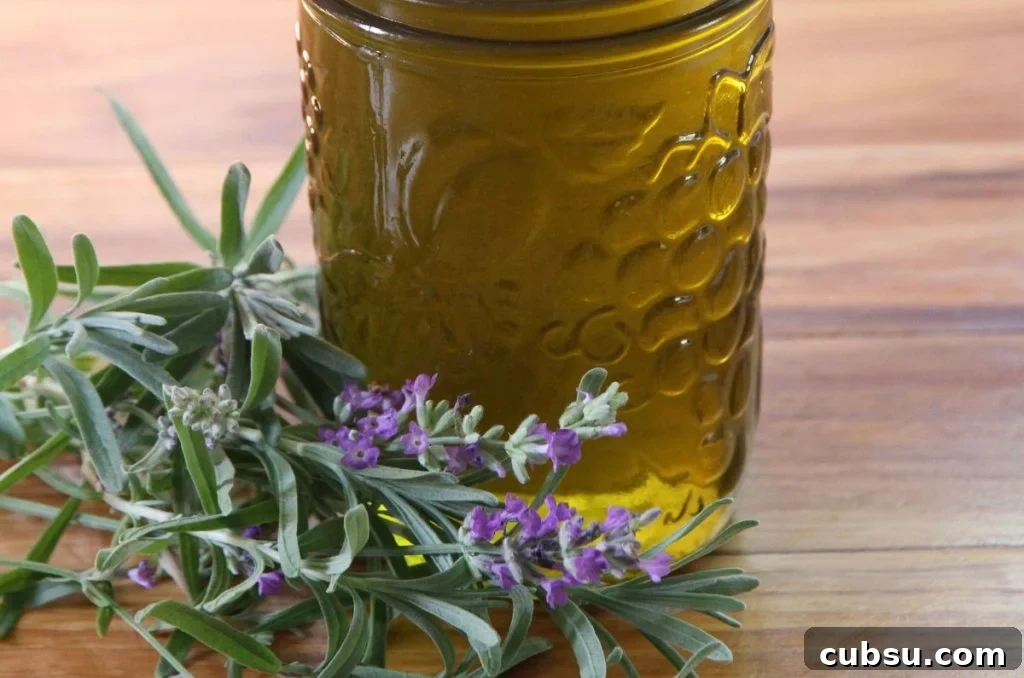
I began infusing herbs in oil years ago while building a small skincare collection. At first I foraged and used dried herbs, then later grew my own lavender. The process is gratifying: grow, harvest, infuse, and use the finished oil in nourishing skincare formulations for the family.
Best Types of Lavender for Infusing
Most lavender varieties work well for oil infusions; choose the most fragrant types for the strongest aroma and character. Common favorites include:
- Dwarf Munstead
- English lavender
- Hidcote
- Munstead (a popular garden variety)
- Vera lavender
Tip for cold climates: Hidcote lavender is known for good cold hardiness when given winter mulch, making it a reliable option in northern gardens.
Fresh vs. Dried Lavender
You can infuse oil with either fresh or dried lavender. Dried lavender avoids introducing additional moisture and reduces the risk of mold, but drying can slightly reduce some volatile plant oils. Fresh lavender produces a lovely, green-scented infusion and is ideal if you harvest and use it promptly.
If you don’t grow lavender, organic dried lavender is readily available from reputable suppliers and can be used for culinary and skincare infusions. You can also dry your own harvest using a food dehydrator or by air-drying small bundles in a warm, dry spot.
Where to Grow or Find Fresh Lavender
Growing lavender is recommended if you plan to make infused oil regularly. Lavender prefers well-drained, lean soils and sunny locations. It is typically treated as a short-lived perennial in many gardens but a few healthy plants will provide ample flowers for infusions.
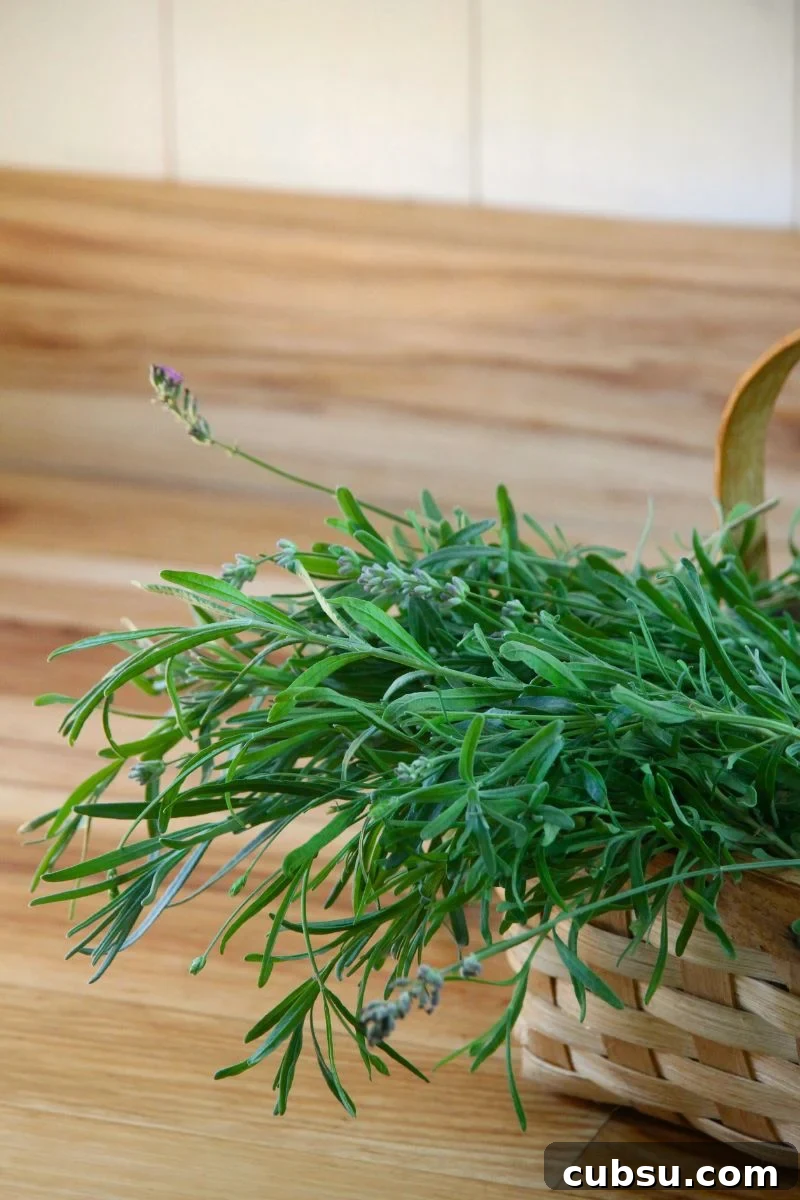
If you don’t grow lavender, check local farmers markets and flower farms during summer. Fresh-cut stems are often available, and some growers will sell cuttings or small bundles suitable for infusing.
Best Carrier Oils for Skincare
Choose a carrier oil that suits your skin type and the desired texture of your finished product. Carrier oils influence absorption, feel, and shelf life.
Heavier Oils
Thicker oils provide deep moisturization but absorb more slowly:
- Castor oil (use sparingly or blended with other oils)
- Sweet almond oil
- Extra virgin olive oil
Lighter Oils
Light oils absorb quickly and feel less greasy on the skin:
- Avocado oil
- Apricot kernel oil
- Jojoba oil
You can also blend heavy and light oils to balance texture and performance. Choose high-quality, cold-pressed oils for the best skin benefits and longer shelf life.
How to Make Lavender-Infused Oil
You’ll Need
- Basket or container for harvesting
- Pruning shears or scissors
- Clean, dry glass jar (1 quart / 1 litre)
- Approximately 32 oz (1 litre) carrier oil of your choice
- Large bowl
- Cotton cloth or fine mesh strainer for filtering
Step 1: Harvest Lavender
Harvest lavender in the morning after the dew has dried but before the heat of the day reduces the volatile oils. Cut stems a few inches above the base and collect a generous bundle.
Step 2: Prepare the Jar
Wash and thoroughly dry a glass jar. Any residual water can cause problems during infusing, so make sure the jar is completely dry before adding plant material.
Step 3: Chop the Lavender
Trim stems into 1–2 inch lengths. Chopping exposes more surface area so the oil can extract aromas and beneficial compounds more efficiently. Discard any obviously moldy parts.
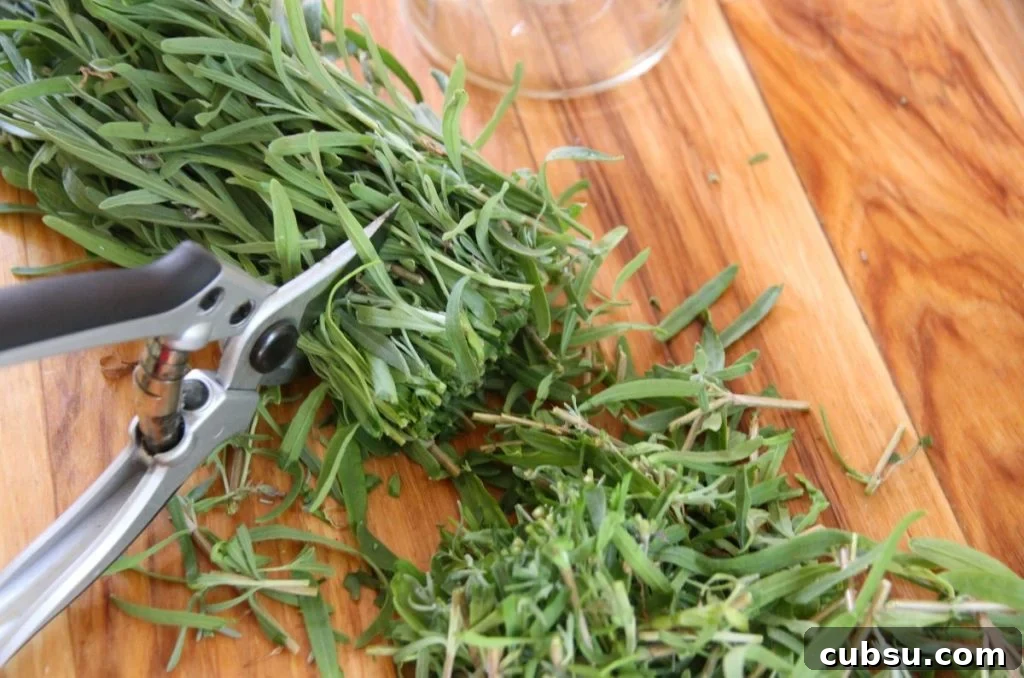
Step 4: Pack the Jar
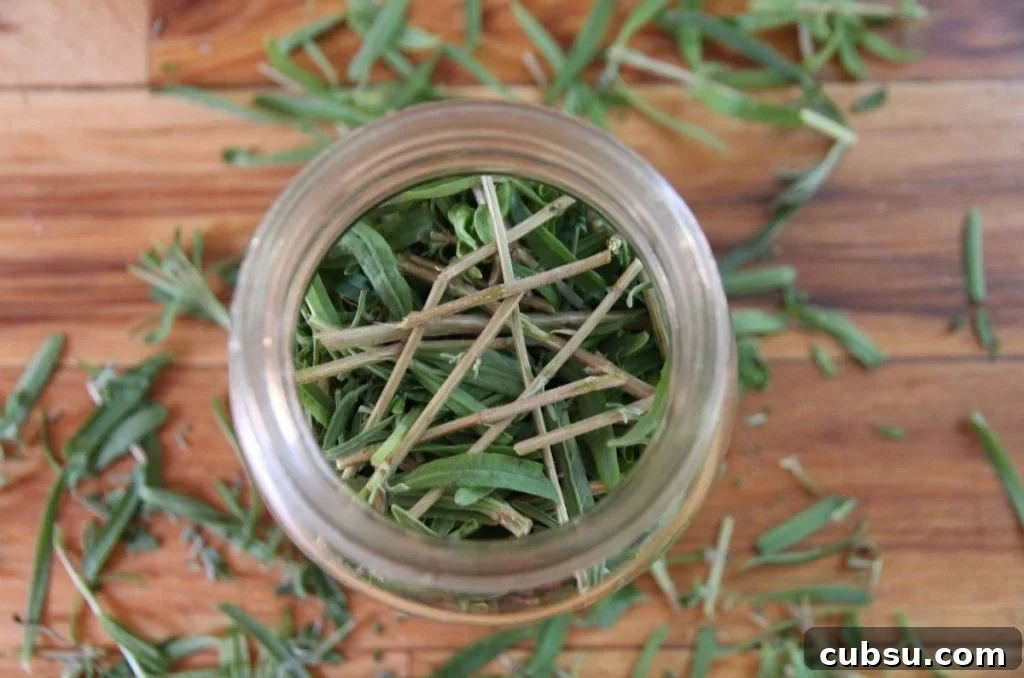
Pack the chopped lavender into the jar until it reaches the shoulder but does not obstruct the lid. The jar should be snugly filled with plant material without excessive compression.
Step 5: Add Oil
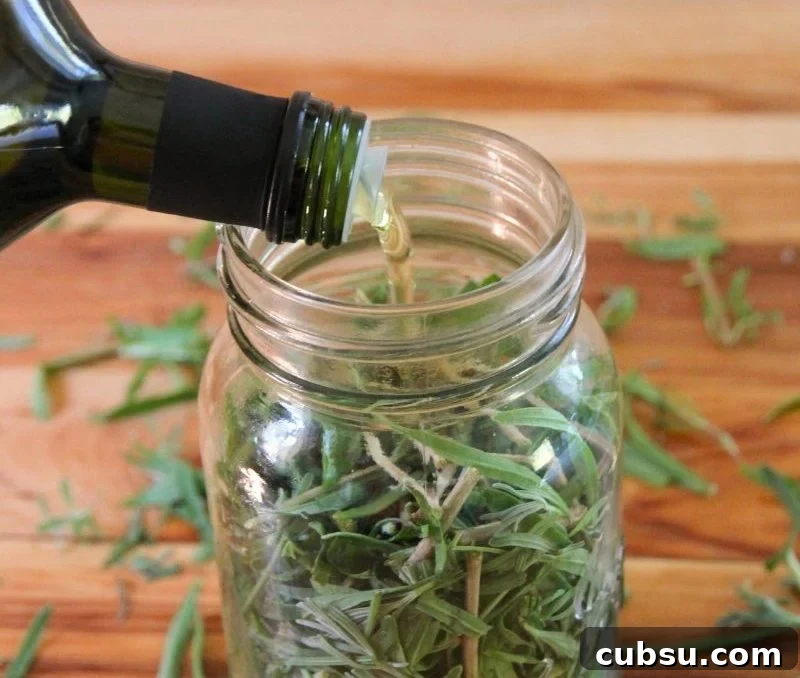
Pour your chosen carrier oil over the lavender until the plant matter is submerged by about 1/4 inch. Ensure all plant material is fully covered to prevent exposure to air.
Step 6: Seal and Store
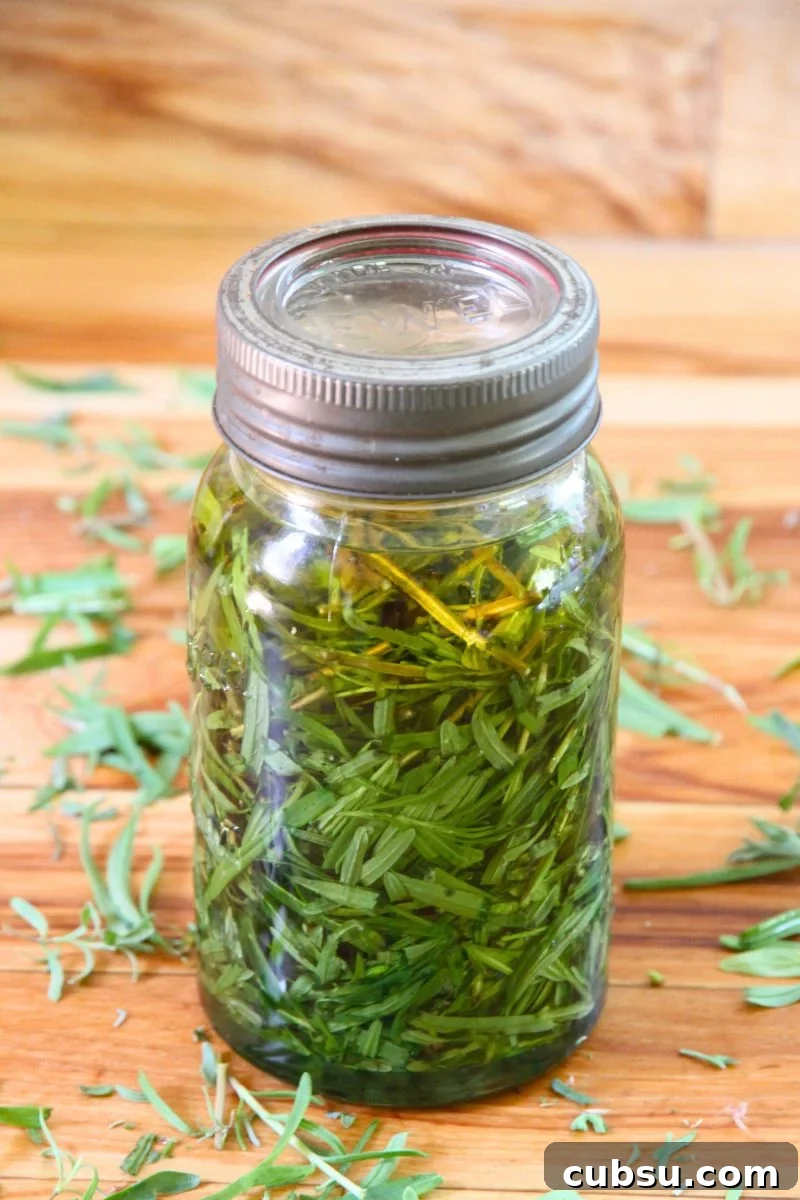
Tighten a lid and store the jar in a dark, cool place (a pantry shelf works well). Some people prefer gentle sunlight or gentle heat to speed extraction, but room-temperature infusions are reliable and simple.
Step 7: Agitate Regularly
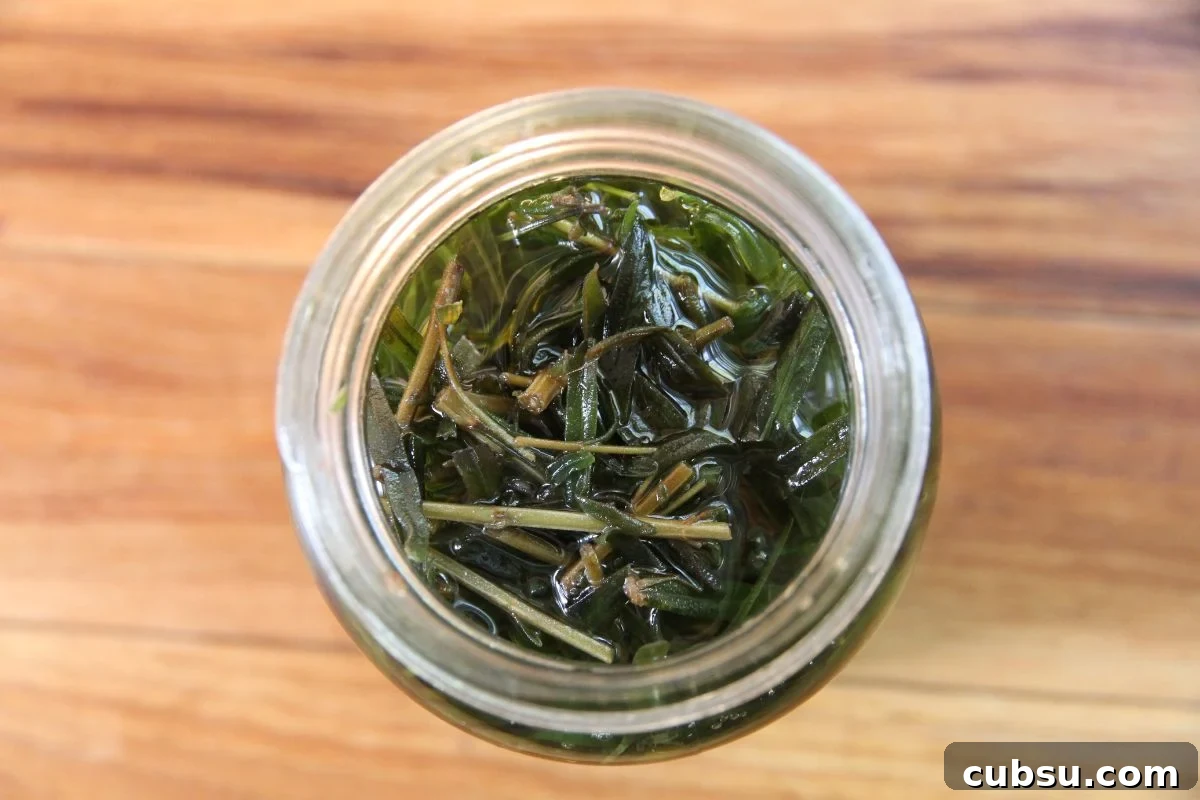
Shake the jar daily or several times a week for 1–4 weeks. Over the first few days you’ll notice leaves and buds losing their bright green color — a sign the oil is extracting the plant’s properties.
Step 8: Strain and Bottle
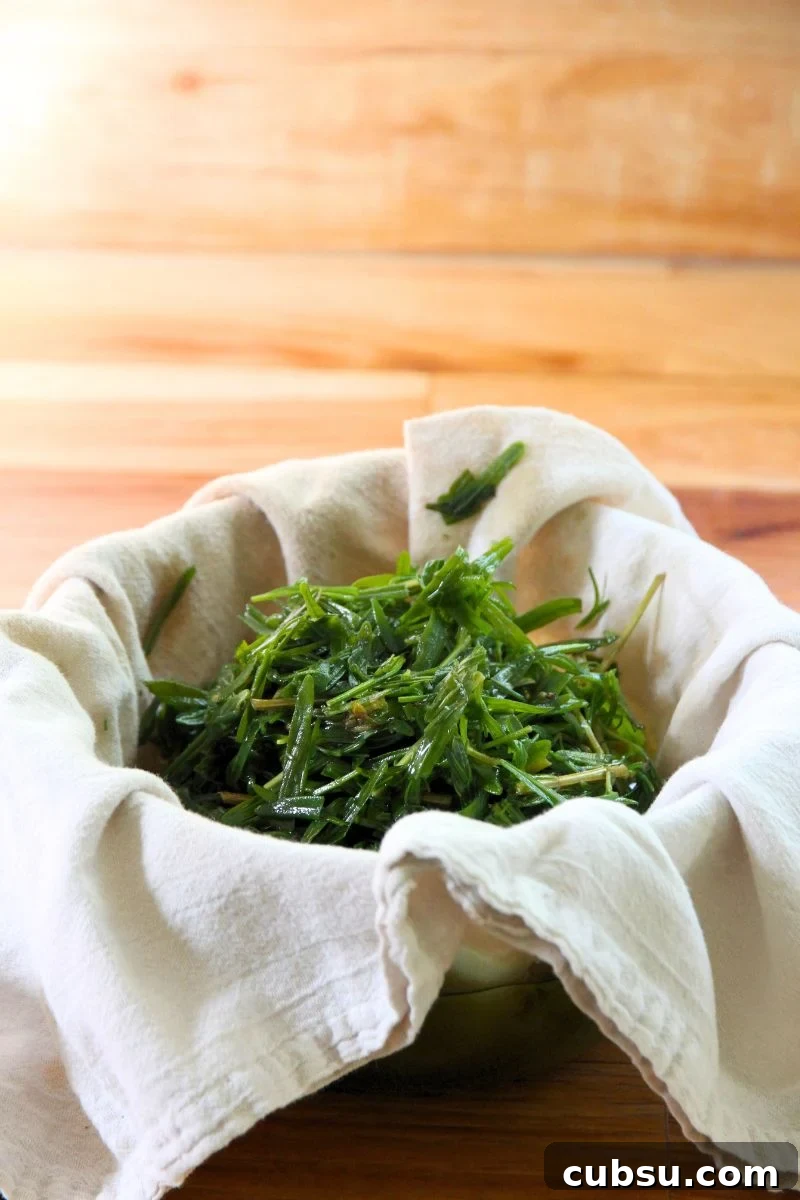
- Line a large bowl with a clean cotton cloth or use a fine mesh strainer.
- Pour the oil and plant material into the cloth-lined bowl.
- Gather the cloth corners and knot them into a bag.
- Hang the cloth bag over a bowl and allow the oil to drip until it stops.
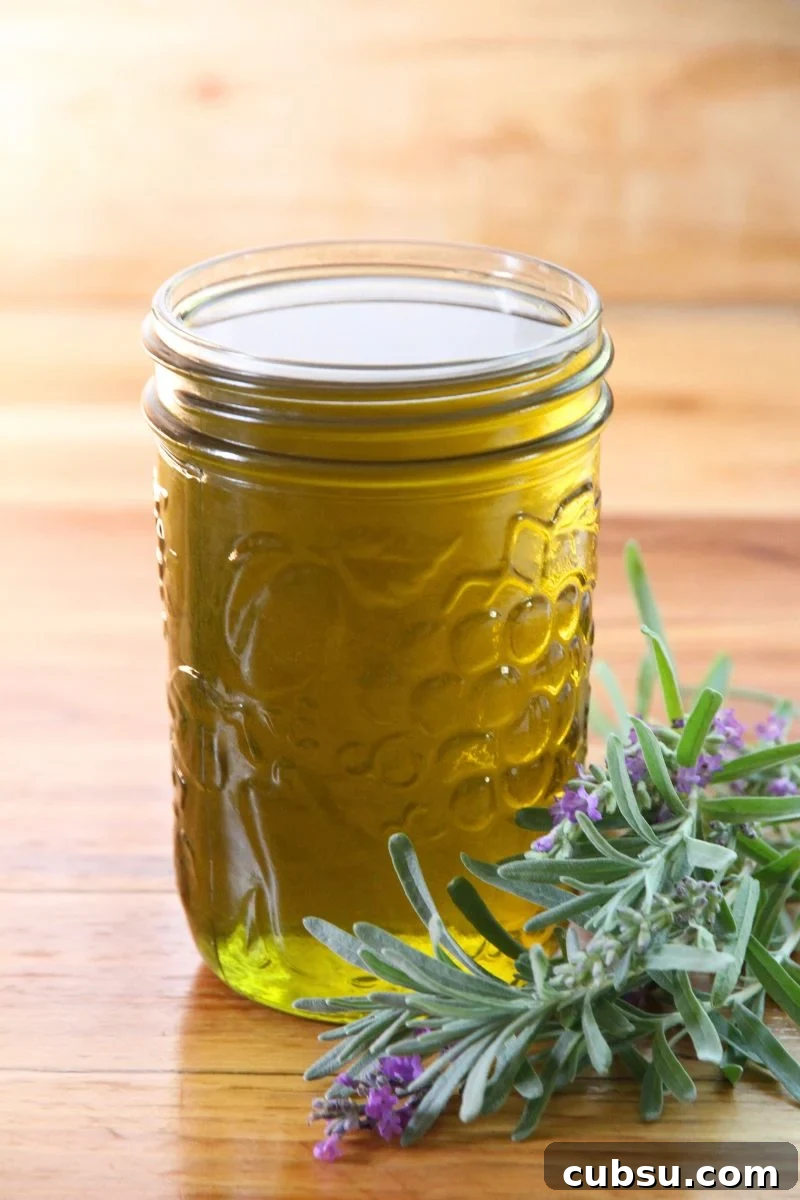
- Check the oil for any remaining plant debris, then pour into a clean, dry jar or bottle and seal.
For strong infusions, you can re-use the same oil with a fresh batch of lavender for a second or third infusion, increasing potency.
Storage and Shelf Life
Store lavender-infused oil in a cool, dark place. Properly strained and stored oil will generally keep well for up to a year. If you have any doubts, make smaller batches to ensure freshness and use within a shorter timeframe.
How to Use Lavender-Infused Oil
Use your lavender-infused oil wherever a carrier oil is called for: body oil, massage oil, lotion bases, balms, salves, and more. It provides a gentle lavender scent and botanical benefits without the concentrated potency of essential oils.
Recipe Ideas
- Simple body oil in a pump bottle
- Homemade pumpable liquid lotion using infused oil as the carrier
- Soothing lip balm formulated with a small amount of infused oil
- Moisturizing sugar scrub made with lavender-infused oil and natural sugar
- Heavy moisturizing lotion bars blended with infused oil and butter
Quick Recipe Summary: Lavender-Infused Oil
How to Make Lavender-Infused Oil with Fresh Lavender
Use fresh lavender to make a natural infused oil for homemade skincare products.
Prep time: 10 minutes · Infusion time: 1–4 weeks · Yield: ~2 cups (500 ml)
Equipment
- Pruning shears
- 1 quart (1 litre) glass jar with tight lid
- Filtering cloth or fine mesh sieve
- Large kitchen bowl
Materials
- 1 bundle fresh lavender
- 32 oz (1 litre) carrier oil of choice
Instructions
- Harvest fresh lavender in the morning.
- Chop stems into 1–2 inch lengths.
- Pack the lavender into a clean, dry jar to the shoulder.
- Cover with carrier oil by about 1/4 inch.
- Seal the jar and store in a dark, cool place.
- Shake the jar periodically for 1–4 weeks.
- Strain through a cotton cloth, let drip, then bottle the oil.
- Label and store in a dark place; use within about one year.
Notes
Substitute dried lavender if you prefer to avoid any moisture risk. Use the infused oil anywhere a carrier oil is called for in your skincare recipes.