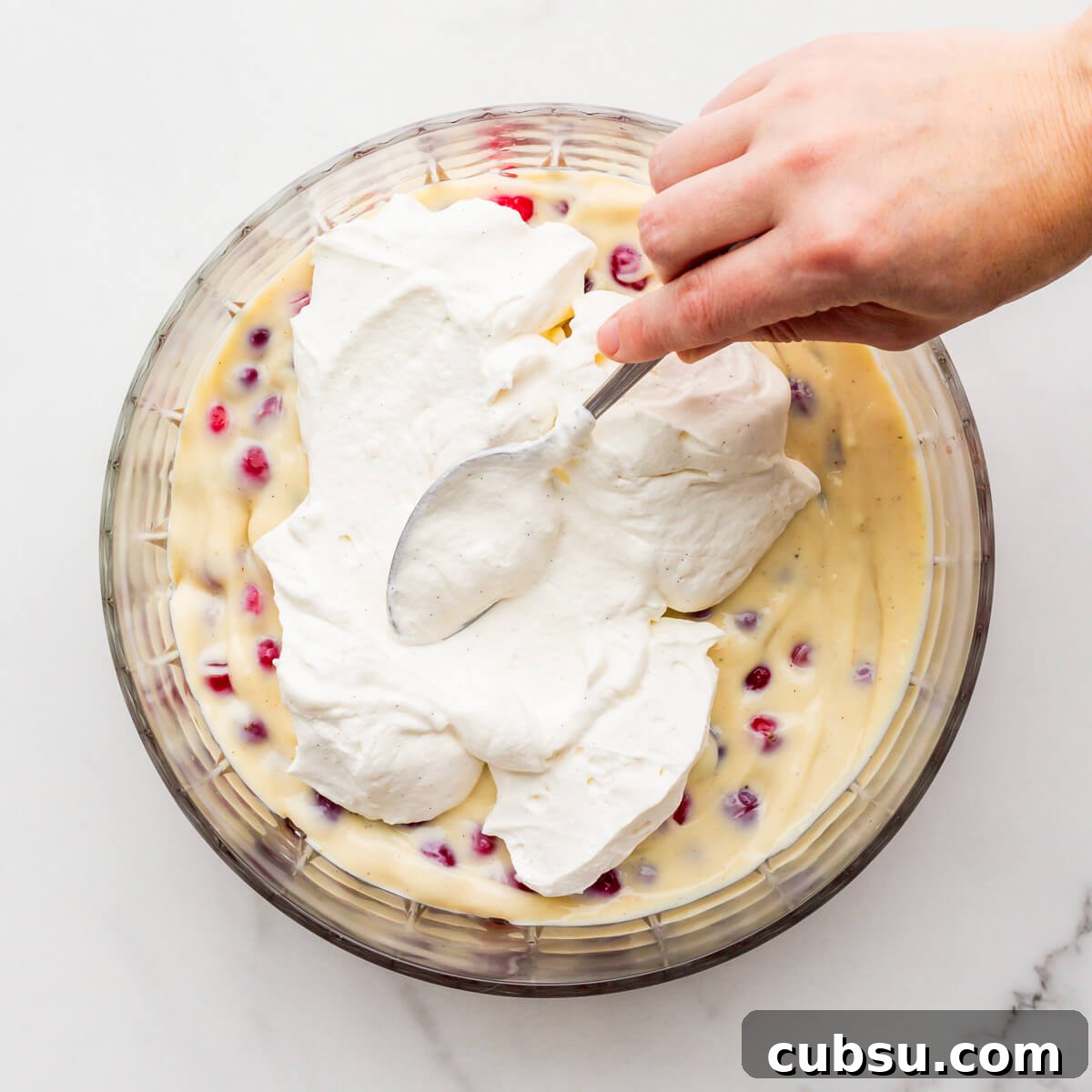
Learn how to make whipped cream from heavy cream (also called whipping cream) with this easy recipe. This guide covers how to stabilize whipped cream, flavour variations, troubleshooting if you overwhip, and tips for using it as a topping or filling.
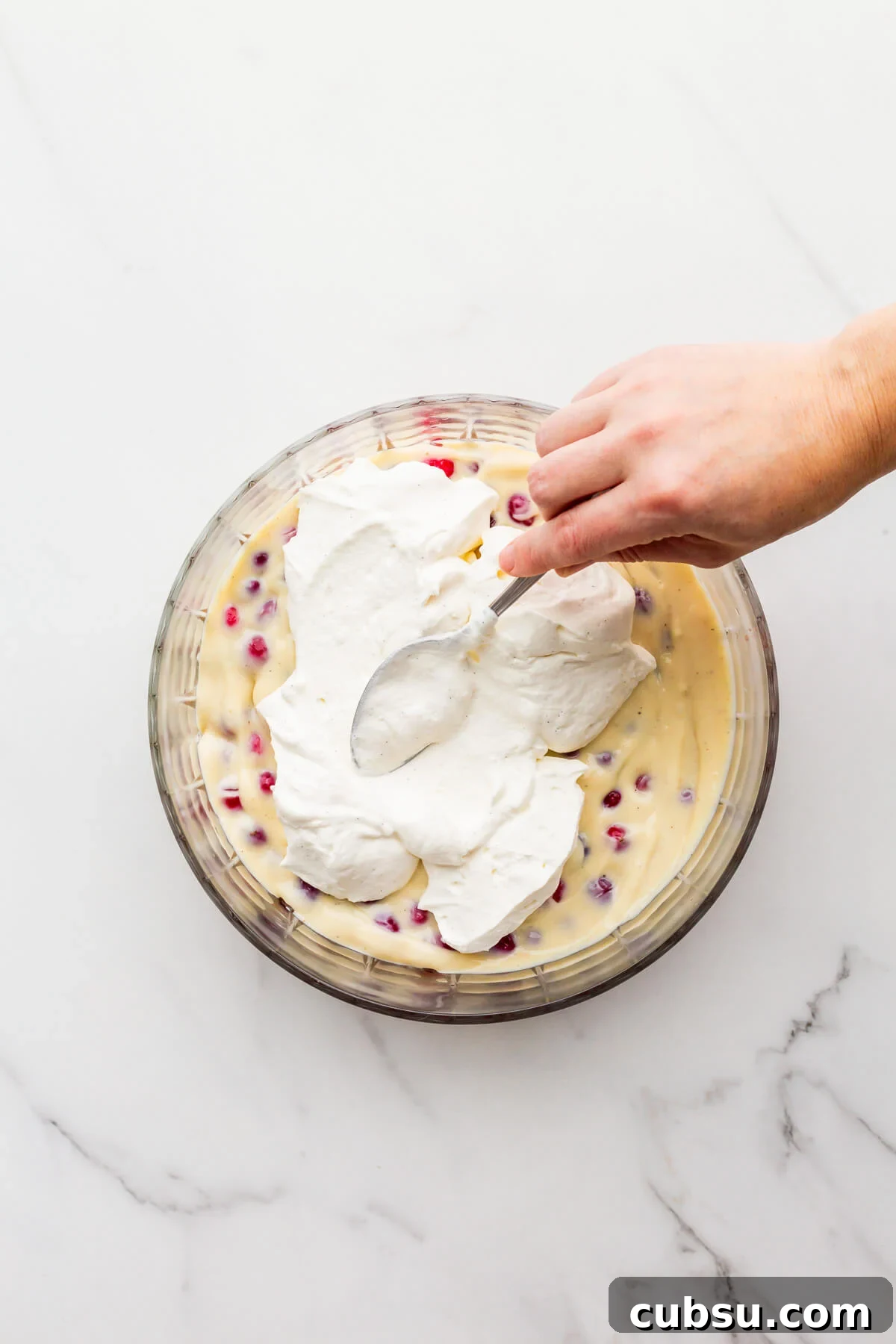
Whipped cream is a classic topping for cakes, pies, tarts and beverages. It works beautifully on simple sponge cakes, chocolate desserts, and fruit shortcakes, and it can be used to make mousse or to finish hot chocolate and coffee drinks.
Ingredients
Whipped cream requires only a few basic ingredients. Choose high-quality components for the best results:
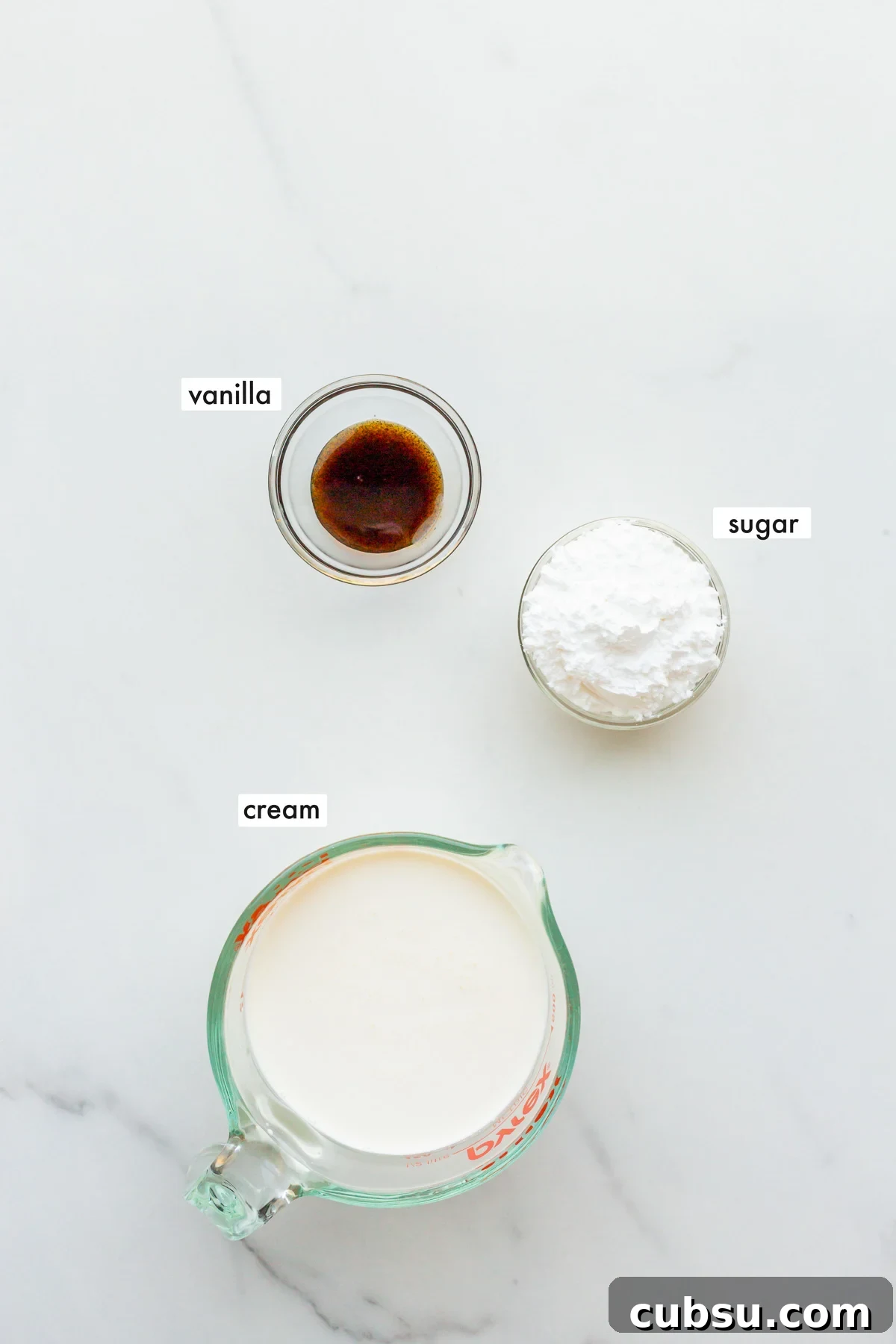
- Cream — use heavy or whipping cream with about 35–40% fat for stable, airy whipped cream.
- Sugar — icing (confectioners’) sugar is preferred for a smooth texture; granulated sugar can be used but may give a slightly grainy mouthfeel.
- Vanilla — vanilla extract or vanilla bean paste both work. Scraped vanilla bean seeds are optional for a subtler bean appearance and flavour.
See the recipe card below for exact quantities.
Substitutions and Variations
Whipped cream is a flexible base for many flavours:
- Vanilla — vanilla extract or paste interchangeably.
- Coffee — fold in a shot of cold espresso or a little espresso powder.
- Chocolate — fold in cooled melted chocolate for a chocolate cream or mousse-style filling.
- Cocoa — sift in 15 g Dutch-processed cocoa with the sugar for cocoa-flavoured whipped cream.
- Lemon — gently fold in lemon curd for a bright flavour.
- Tea — finely chopped Earl Grey leaves add subtle bergamot notes and an attractive speckled look.
- Booze — a splash of liqueur (Kahlúa, Amaretto) or spirits (brandy, bourbon) adds depth—use sparingly to avoid thinning the cream.
- Maple — incorporate maple syrup (often combined with mascarpone) for a richer flavour.
- Yogurt — mixing in strained yogurt creates a tangy cream suitable for fruit tarts.
- Chestnut — fold in chestnut cream (crème de marron) for seasonal desserts.
Whipped Cream Ratio
A useful rule: add sugar equal to about 10% of the weight of the cream. For 250 g of cream, add roughly 25 g of icing sugar. Adjust sweetness to taste.
Instructions
You can whip cream with a stand mixer, an electric hand mixer, or a balloon whisk by hand. Electric mixers work fast, so watch carefully to avoid overwhipping.
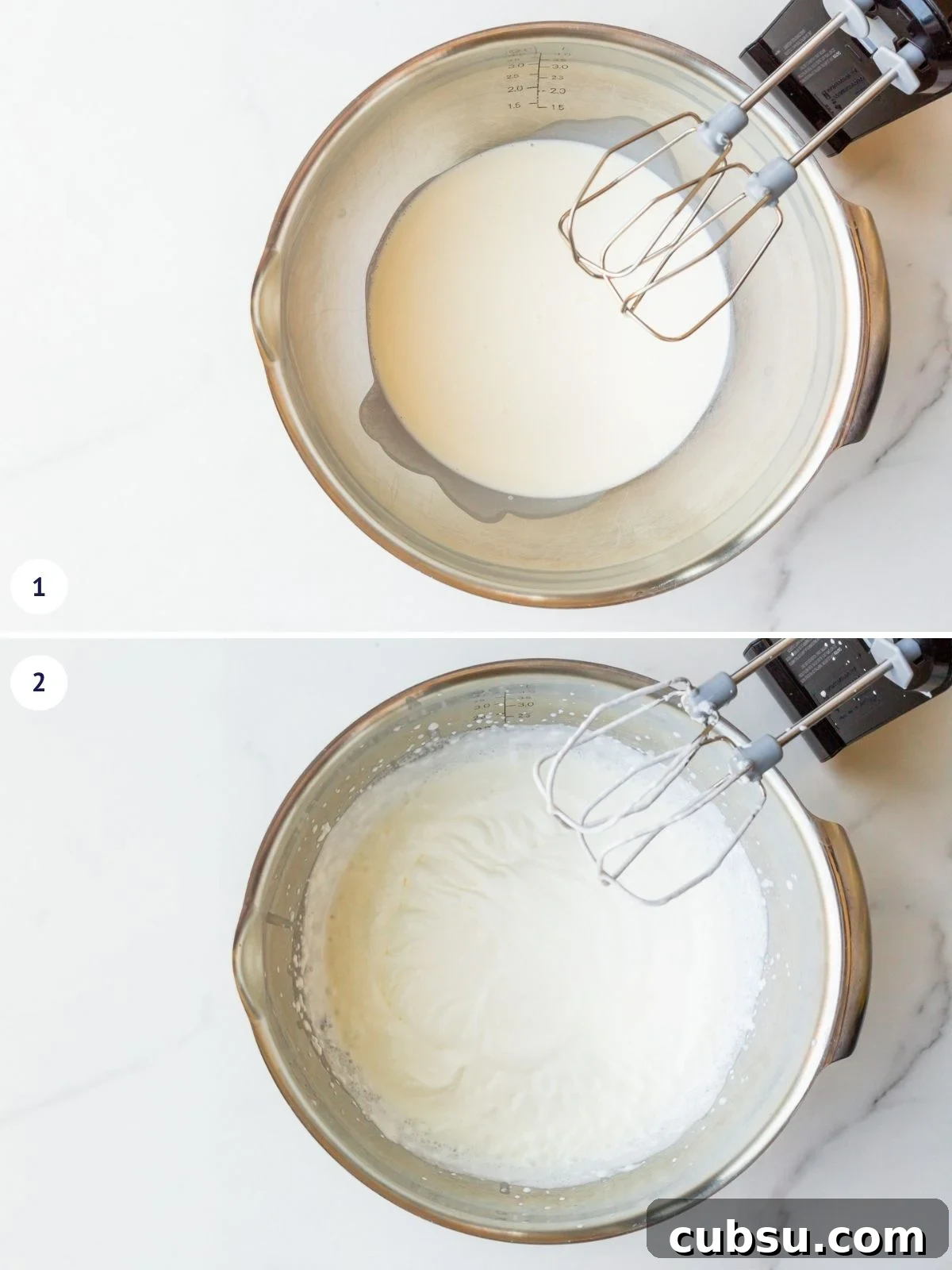
Step 1: Start with cold whipping cream straight from the refrigerator and place it in a cold bowl. Whip until soft peaks form — the cream should be airy and supple and will not yet hold a firm shape.
Tip: Cold cream traps air more effectively. If the cream is warm, it will be harder to aerate and the foam will be less stable. Use cold cream and, if possible, chill the bowl and whisk.
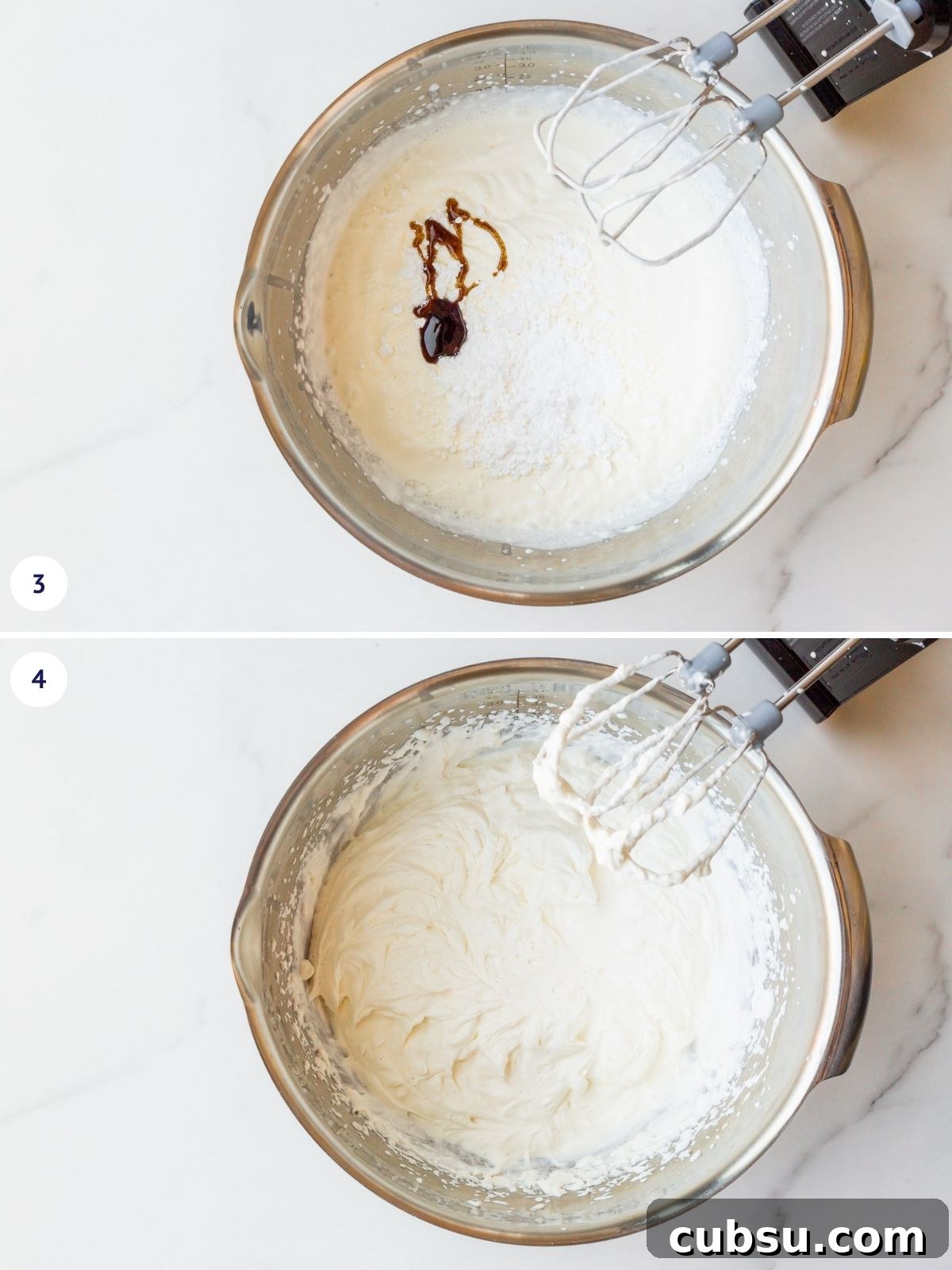
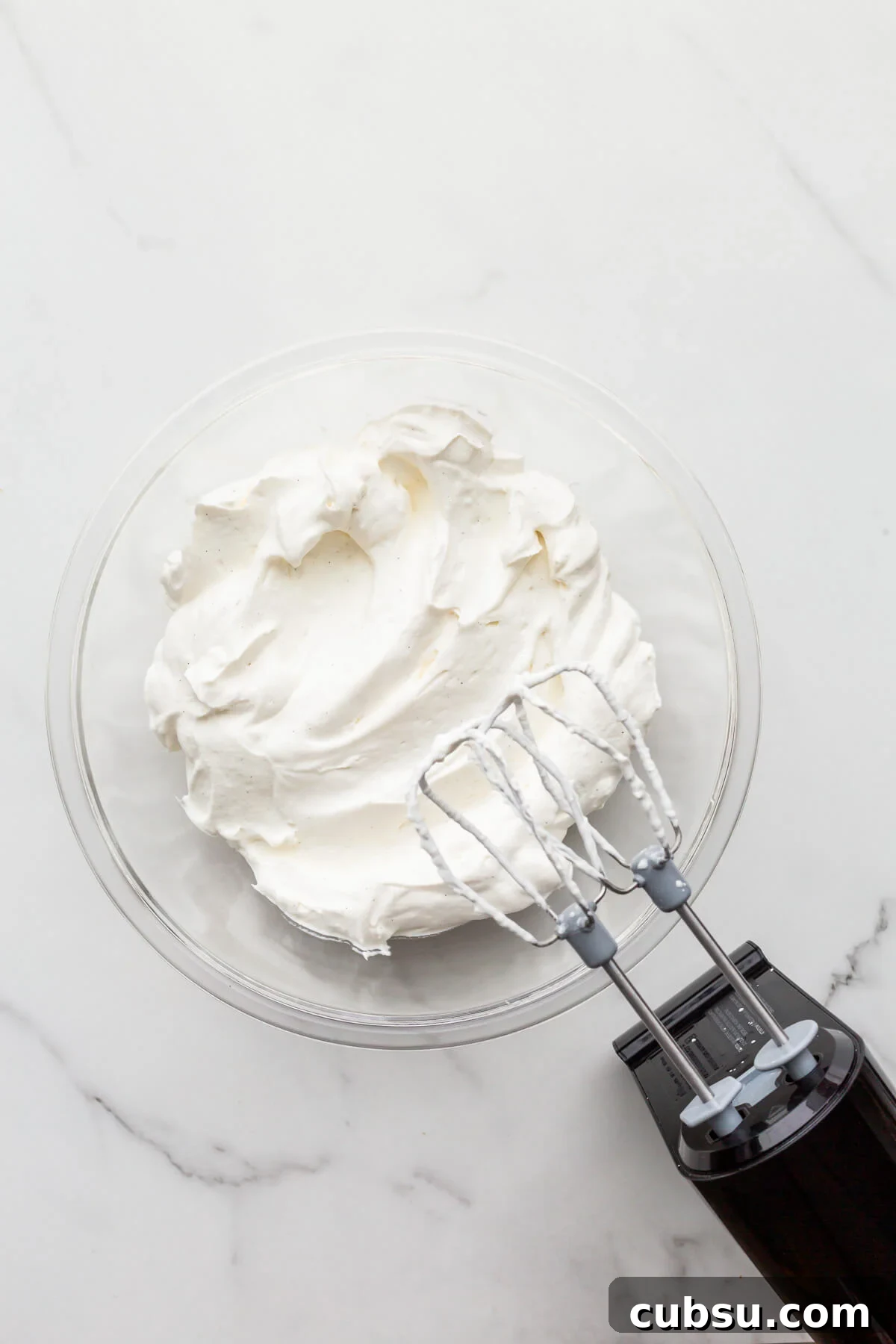
Step 2: Add icing sugar and vanilla to the soft peaks, then continue whipping until the cream is firm but still soft and pipeable. Do not overwhip — stop as soon as the cream holds shape without becoming grainy.
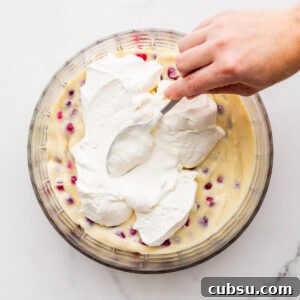
Hint: For mousses and fillings, leave the whipped cream slightly softer so it folds easily with other components. Firmer cream is harder to blend without deflating.
Top Tip
Stop whipping earlier rather than later. It’s easy to add a bit more whip if needed, but once the cream starts turning grainy and butter begins to form, it is difficult to reverse.
Recipes with Whipped Cream
Whipped cream is the basis for many classic European and French pastry preparations, including mousses, Bavarian cream, light cake fillings and frostings, and fruit gratins. Sweetened whipped cream is perfect for pavlovas, cream puffs, shortcakes, pies and layered trifles. Unsweetened or lightly sweetened whipped cream often serves as the base for mousse or as a stabilised filling when combined with gelatin or mascarpone.
Whipped Cream FAQs
Creams with lower fat (like half-and-half or coffee cream around 10% fat) are difficult to whip and produce a weaker, less stable foam. Use full-fat whipping cream (35–40%) for best results.
Overwhipping forces butterfat to clump and expel liquid (whey), creating a grainy texture. If this happens, try folding in a splash of cold whipping cream gently by hand; avoid further high-speed whipping which will make butter instead of cream.
Common stabilizers:
- Gelatin: For each cup (250 mL) of cream, use about 1/8 + 1/4 teaspoon powdered gelatin (or ~½ sheet leaf gelatin ≈ 1.7 g). Bloom powdered gelatin in cold milk, then warm gently to dissolve. For leaf gelatin, soak in cold water, squeeze, then melt in a little warm milk or cream. Cool slightly before whisking into whipped cream. Avoid overheating gelatin to preserve its setting ability.
- Cream cheese or mascarpone: About 56 g (2 oz) per cup of cream, whipped until smooth before adding the cream, will stabilize the mixture and add richness.
Recipes with Whipped Cream
Whipped cream features in many preparations, such as:
- Mousse fillings — whipped cream folded with fruit purée or melted chocolate, often set with gelatin.
- Crème bavaroise (Bavarian cream) — crème anglaise lightened with whipped cream and set with gelatin.
- Light fillings and frostings for layered cakes like Black Forest cake.
- Fruit gratins and tarts — pastry cream or curd lightened with whipped cream for a silkier texture.
Some favourite pairings include raspberry shortcake, strawberry tarts with yogurt cream, and layered trifles with pastry cream and fruit.
If you tried this whipped cream recipe, please leave a star rating and a comment to share how it turned out.
📖 Recipe
Whipped Cream
10 mins
10 mins
Ingredients
- 250 mL whipping cream (35% fat)
- 25 grams icing sugar
- 5 mL vanilla bean paste
Instructions
- In a cold bowl, whip the cream with an electric mixer or a balloon whisk until soft peaks form.
- Add the icing sugar and vanilla. Continue whipping until the cream is thick but still supple. Use immediately. Do not overwhip.
Notes
- Temperature matters: use well-chilled cream and, if possible, a chilled bowl and whisk.
- To stabilize whipped cream use gelatin (see instructions above) or 56 g cream cheese/mascarpone per cup of cream for a sturdier finish.
- Flavour ideas: vanilla, coffee, chocolate, lemon curd, tea leaves, or a splash of liqueur. Add flavourings carefully so the cream remains stable.
Nutrition
Nutrition information is approximate.