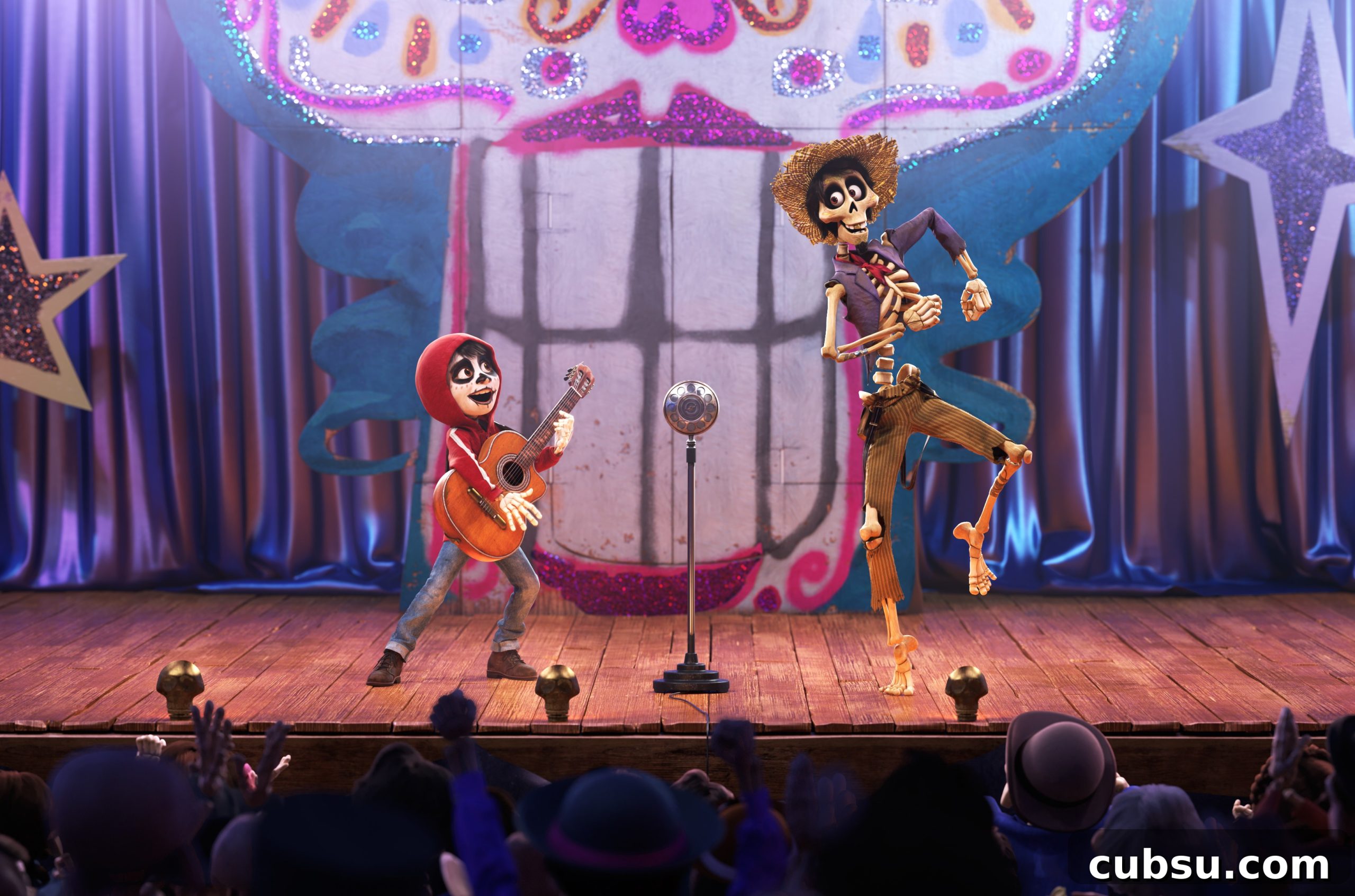
A few weeks ago I watched Disney Pixar’s Coco — a film that moves you deeply yet still delivers plenty of laughs. Much of the humor comes from Hector, the scrappy, quick‑witted character Miguel meets soon after arriving in the Land of the Dead. Hector is voiced by Gael García Bernal. We spoke with Gael about the impact Coco is already having in Mexico, the biggest challenges of his role, and his thoughts on the film’s message about “seizing your moment.”
Was the U.S. premiere the first time you saw the film with an American audience?
Gael García Bernal: Yes — last night was the proper first screening in the United States for everyone. The audience reaction was very powerful.
Did the reception here differ from how audiences in Mexico responded?
Gael García Bernal: It was in English, but the passion was the same. The applause at the end was fantastic. A great film seems to transcend language and place, and people really reacted strongly everywhere. I’m extremely happy about that.
What attracted you to this project?
Gael García Bernal: The moment I saw the note — “Pixar wants you in a movie about Day of the Dead” — I was in. Meeting Lee, Adrian and Darla sealed it. There wasn’t a full script yet, but they shared concept art, who Miguel would be, who the other actors were, and even an animated clip that showed how Hector would sound and behave. They sometimes take snippets of an actor’s previous interviews and animate them into the character to judge fit. They did that with an interview I did and it was hilarious — it worked.
Was it an easy decision to accept the role?
Gael García Bernal: It was easy overall. The one intimidating part was that Hector sings. That was a creative challenge I welcomed. I also felt at home with the vocal expressions and the mariachi-style gritos because I’m from Guadalajara — there’s something almost innate about them. Singing perfectly may not be my strength, but the character’s spirit fit well.
Mexico is culturally rich. Beyond learning about the Day of the Dead, what else would you hope audiences take away from Coco?
Gael García Bernal: The Day of the Dead is an open, generous tradition. It encourages personal reflection on death — not to provide definitive answers, but to invite memory, storytelling, and connection. You bring what means something to you to the altar, and in that act you place yourself alongside those you remember. The film borrows elements from many Mexican regions without trying to represent everything; it layers those details into a heartfelt, accessible portrayal. Ultimately, that reflection on life and death can make people kinder, more thoughtful, and more focused on what truly matters.
Will Coco change how people in Mexico celebrate the Day of the Dead?
Gael García Bernal: I think it already has. This year felt different — there was far less Halloween and much more emphasis on the Day of the Dead. Cities were alive with painted faces and meaningful costumes rather than just a commercialized holiday. Schools play a large role in teaching children about the tradition, and that educational approach helps sustain and renew the celebration in meaningful ways.
How do you introduce your daughter to these traditions?
Gael García Bernal: The altar is a wonderful teaching tool because it’s personal and open. We include photographs, books, toys, food — little objects that matter to us. Children invite friends to view the altar and explain what each item means, which sparks genuine conversation. The Day of the Dead also opens a safe space to discuss death with kids, acknowledging that there’s no single answer and letting them form their own understanding.
The film emphasizes “seizing your moment.” You’ve built an international career — what does “seizing the moment” mean to you?
Gael García Bernal: I have mixed feelings about that phrase. The idea of “seize the moment” can be destructive when it encourages short-termism and ignores responsibility to the future. It can lead to living as if there’s no tomorrow, undermining the craft of building a life and a career step by step. There are moments when acting decisively is essential, but a constant push to seize every moment can become a harmful expectation. Life is often better approached as a careful craft, not an endless rush.
Coco opened nationwide on November 22nd, timed for the Thanksgiving weekend. As audiences continue to discover the film, conversations about culture, memory, and creative storytelling are likely to grow — much like the film’s heartfelt tribute to Mexican tradition and family.