Beth’s story gave me goosebumps repeatedly. Imagine being in your late 20s and so unwell that no practitioner—conventional or natural—can identify the cause.
Putting the pieces together demanded everything she had, and reversing multiple chronic illnesses required even more. She did it. Now she has helped hundreds of people with complex, mysterious illnesses recover.
Whether you know someone struggling with unexplained symptoms or you’re simply curious about how the body breaks down and heals, this interview is essential reading.
Mold toxicity is an increasingly recognized contributor to chronic illness, and anyone who breathes air should understand how it can present.
This interview spans mold toxicity, Mast Cell Activation Syndrome (MCAS), Lyme disease, histamine intolerance, and more. Topics include:
- Why mold toxicity has become a widespread problem
- How to recognize possible toxic mold exposure
- Why some people exposed to the same environment become ill while others remain unaffected
- What to do if you find mold in your home
- The common “seasonal” diagnosis that is actually mold toxicity in many cases
- Why sensitivities to foods or fragrances can be red flags for underlying issues
- What an aversion to colorful fruits and vegetables might really indicate
Whether your child has ADHD or autism, a family member has baffling symptoms (including brain fog), or you’re dealing with picky eating, you may discover new root causes and practical next steps.
If I had to choose a single standout quote from this interview I couldn’t—there are knowledge bombs throughout. I learned a tremendous amount.
Can’t see the video? Watch Toxic Mold and MCAS on YouTube.
No time for the full video? Here are the highlights and practical notes.
What Does Mold Toxicity Look Like?
- 0:18: The episode focuses on Mast Cell Activation Syndrome (MCAS) and mold toxicity, a topic that often clarifies many puzzling health issues.
- 2:10: Beth shares her powerful story: how she became ill and the steps she took to heal. Her experience shaped her approach to helping others.
- 4:57: In college Beth experienced joint pain, fatigue, brain fog, and panic attacks. She left medical school and became chronically ill.
- 8:00: At 28, after a leading functional medicine doctor told her they had no more ideas, Beth decided to find her own answers rather than accept a diminished life.
Mold is a big issue in schools and it hits kids harder than adults. -Beth O’Hara, F.N.
Why Is Mold Toxicity Such a Problem?
- 13:10: Mold is a growing concern because our overall toxic load is higher than in previous generations, making people more sensitive to environmental triggers.
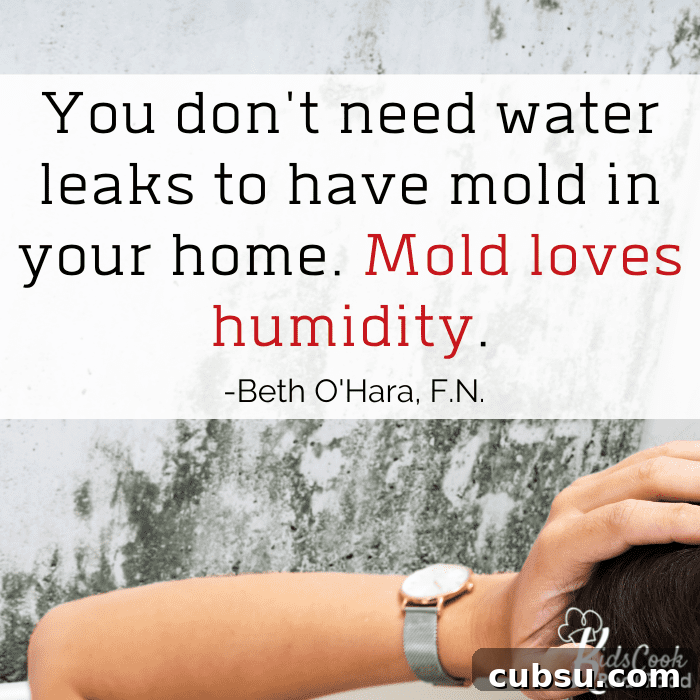
- 14:45: Newer, tightly sealed buildings conserve energy but also trap moisture. Walls can retain humidity and encourage mold growth. Humidity should be kept below 50%; if higher, use a dehumidifier.
- 16:36: Some mold inspectors report increased spore production in the presence of Wi-Fi and smart devices, though mechanisms are still being studied.
- 18:16: The average person is likely to encounter toxic mold at work, school, or home.
- 19:17: Mold is ubiquitous, but certain molds—such as Aspergillus, Alternaria, Stachybotrys, and Chaetomium—produce mycotoxins that can dysregulate the immune system and have been linked to serious health outcomes.
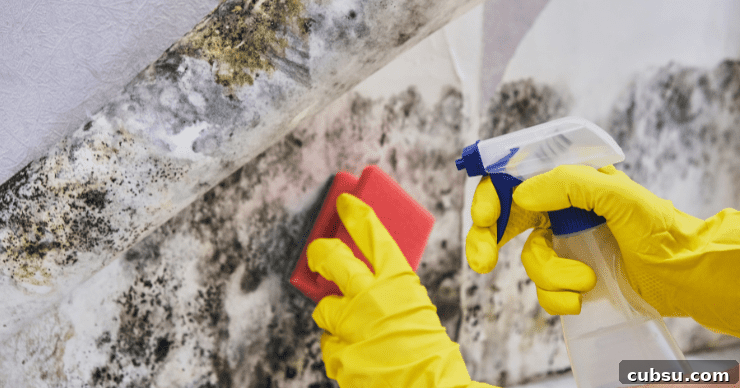
- 20:48: After a water leak, Beth recommends three steps: stop the water source, remove water-damaged materials with at least a two-foot margin, and neutralize mold spores using enzyme- or citrus-based cleaners.
- 23:48: Basements and crawl spaces are common, unseen hotspots for mold because they often stay more humid than the living areas above.
Symptoms of Mold Toxicity
- 26:15: Mold toxicity presents differently in different people and can primarily affect the nervous system, digestion, and respiration. It’s common for only one person in a household to become symptomatic despite shared exposure.
85% of all sinus infections are fungal infections. -Beth O’Hara, F.N.
Mast Cell Activation Syndrome and Mold Toxicity
- 28:40: Mast cells are frontline immune cells found throughout the body. Normal mast cell activity protects us, but overactive mast cells create widespread symptoms.
Mast cells are our major frontline immune cells of the body. They sense pathogens and toxins—and stress! -Beth O’Hara, F.N.
- 32:24: Mold toxins are a major trigger for MCAS. Other triggers include trauma, chronic infection, and prolonged stress. MCAS is under-recognized; estimates suggest it may affect roughly one in ten people.
- 36:36: Signs of MCAS include strong sensitivities to chemicals and fragrances, rapid-onset food reactions or anaphylaxis, histamine intolerance, and otherwise unexplained, complex symptoms.
- 39:17: Histamine intolerance is tricky because triggering foods appear unrelated—spinach, pineapple, strawberries, fermented foods, processed meats, and alcohol are common examples.
- 42:46: For neurodivergent children, mold toxicity and MCAS can worsen inflammation and behavioral symptoms. Addressing inflammation and stabilizing mast cells can support recovery.
Is There Treatment for MCAS?
- 45:23: Supplements that can help stabilize mast cells include DAO, perimine, baicalin, quercetin, vitamin C, and vitamin D. Treatment plans should be individualized.
A lot of people on the spectrum are suffering from mold toxicity. -Beth O’Hara, F.N.
- 46:35: Nervous system therapies that calm the vagus nerve and limbic system can reduce mast cell overreaction. Techniques to downregulate stress responses are an important part of care.
- 47:40: Detox for mold must be precise. Different molds bind to different agents and follow distinct detox pathways, so generic detox protocols can be ineffective or harmful.
- 50:17: Working with an experienced practitioner is strongly recommended when detoxing from toxic mold exposure. Targeted guidance reduces the risk of worsening symptoms and helps optimize recovery.
- 52:16: If you can’t tolerate fruits, vegetables, or herbal medicines but can take non-herbal supplements and medications, that can indicate salicylate intolerance.
- 52:50: Sensory sensitivities and “lightning bolt” pains in children can be caused by mold exposure; these symptoms are not simply growing pains and often persist without intervention.
- 54:30: There is reason for hope. Many people recover once mold toxicity is correctly identified and treated—there is a path forward.
Resources Mentioned
- Check indoor humidity and keep it below 50% to reduce mold growth.
- Learn about environmental risks and reduce indoor triggers when possible.
- Consider functional approaches for neurodivergent children and complex chronic conditions.
- Supplements that support mast cell stabilization include DAO, perimine, baicalin, quercetin, vitamin C, and vitamin D; use under practitioner guidance.
- Nervous system therapies and targeted detox protocols are key parts of a comprehensive recovery plan.
- Follow qualified professionals who specialize in MCAS and mold toxicity for ongoing guidance and education.
 Beth O’Hara is a Functional Naturopath and Functional Genetic Analyst with advanced training in naturopathy and a master’s in marriage and family therapy. After identifying and reversing the root causes of her own MCAS, she has spent more than a decade helping hundreds of clients unravel health mysteries and regain quality of life. Her experience fuels a mission to empower people with MCAS to reclaim their potential.