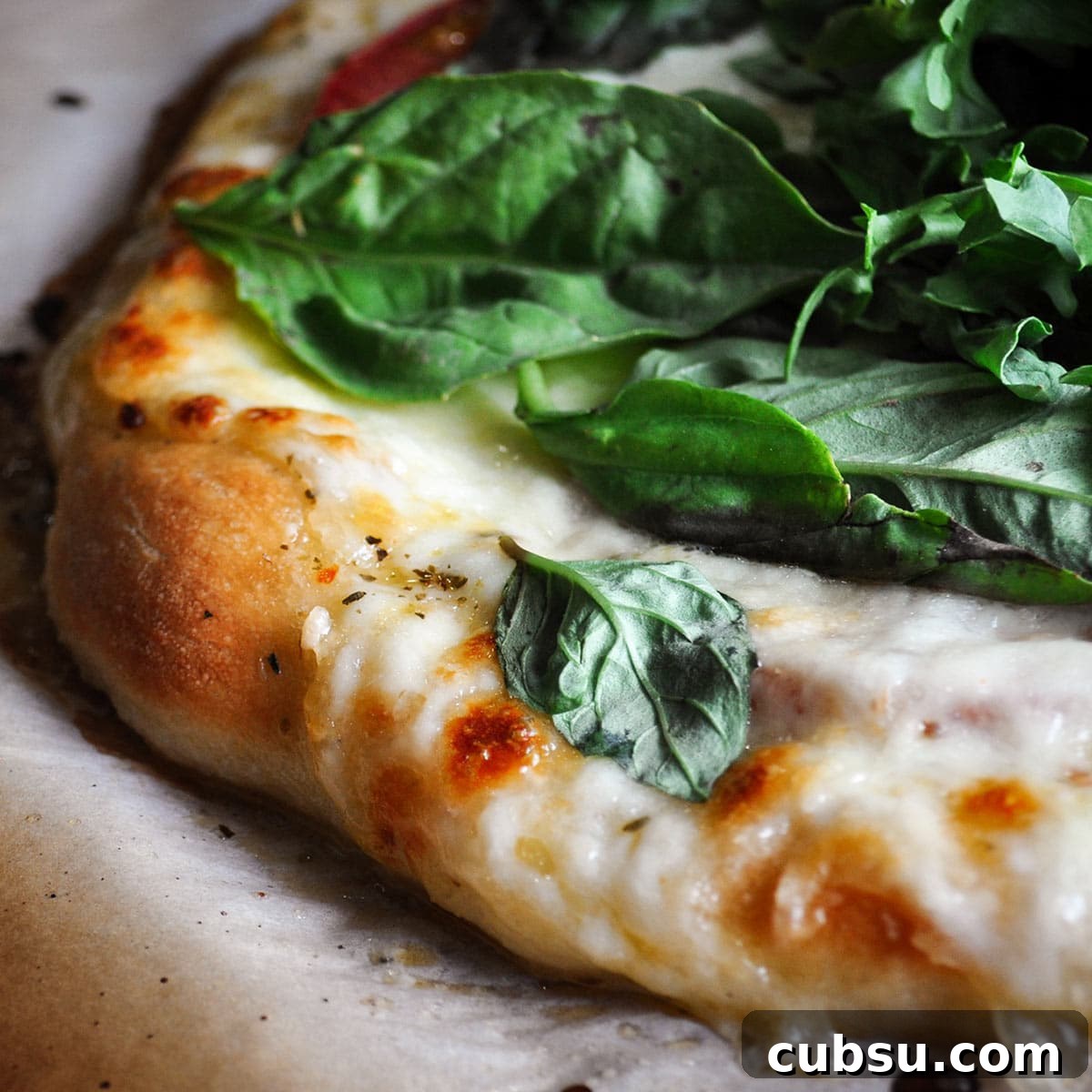
I’ve used this pizza dough recipe for decades. It’s simple, reliable, and makes a flavorful, chewy crust that can rival a great pizzeria’s.
Below you’ll find the recipe plus practical tips for shaping the dough, building a great pizza, and baking excellent pizzas in a home oven.
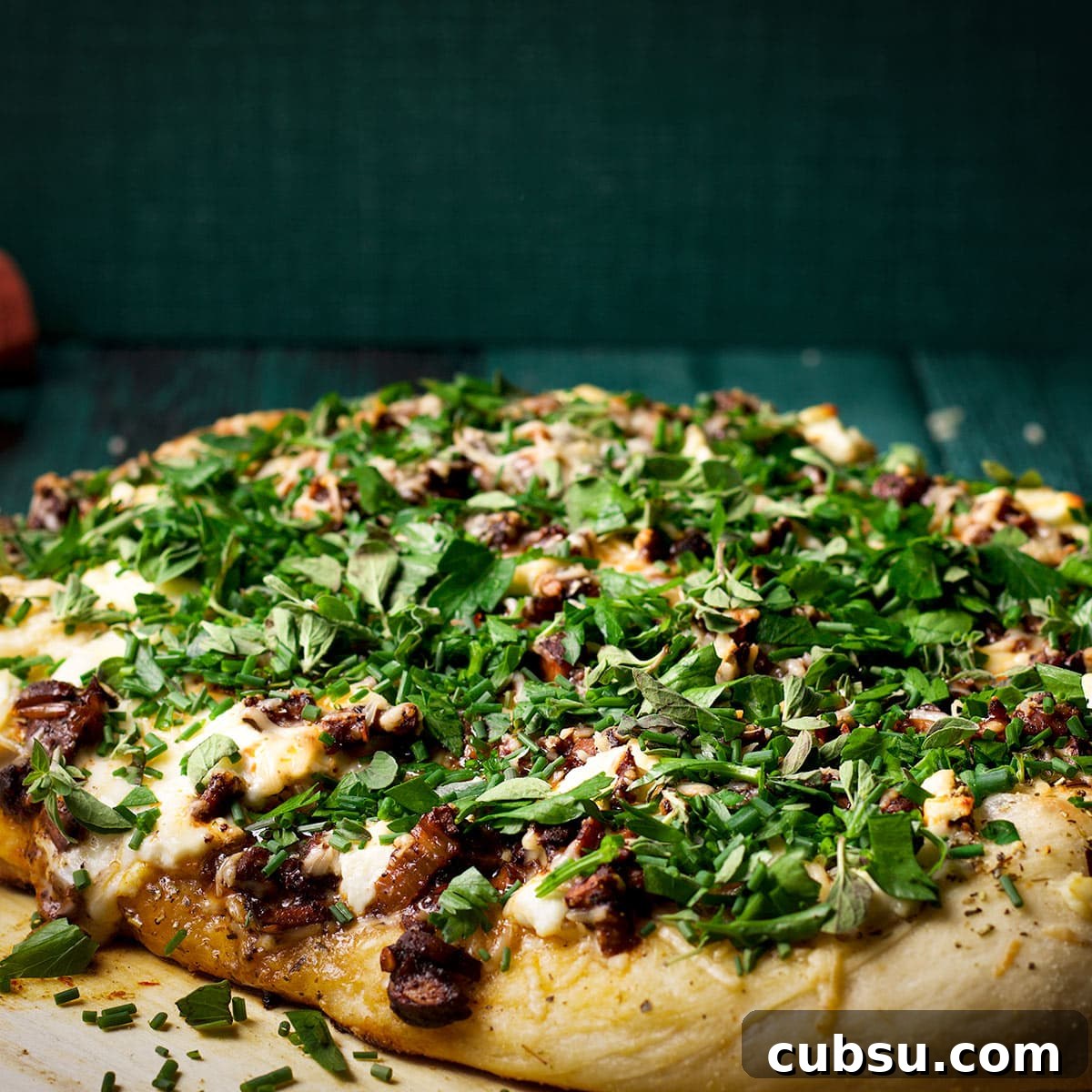
“This is the best pizza dough ever! Quicker and much tastier than premade supermarket dough. It rolls out so easily and is incredibly delicious!” — Boyd
As much as I appreciate pizza delivery, there’s nothing quite like homemade pizza. Homemade pizza dough is one of the easiest yeast breads to make, and it rewards you with fresh, customizable pizzas any night of the week.
If you’re new to baking, pizza dough is a forgiving, approachable place to start. For experienced bakers, this method is straightforward and adaptable.
This dough mixes quickly, needs minimal kneading, and usually proofs about an hour before it’s ready. You can also make it in the morning and refrigerate until dinner, which lets you fit pizza night into your schedule.
“Very little hands-on time. Threw it in the refrigerator for the day, took it out while I prepped toppings — proportions were perfect.” — Judy
Ingredients needed to prepare this recipe
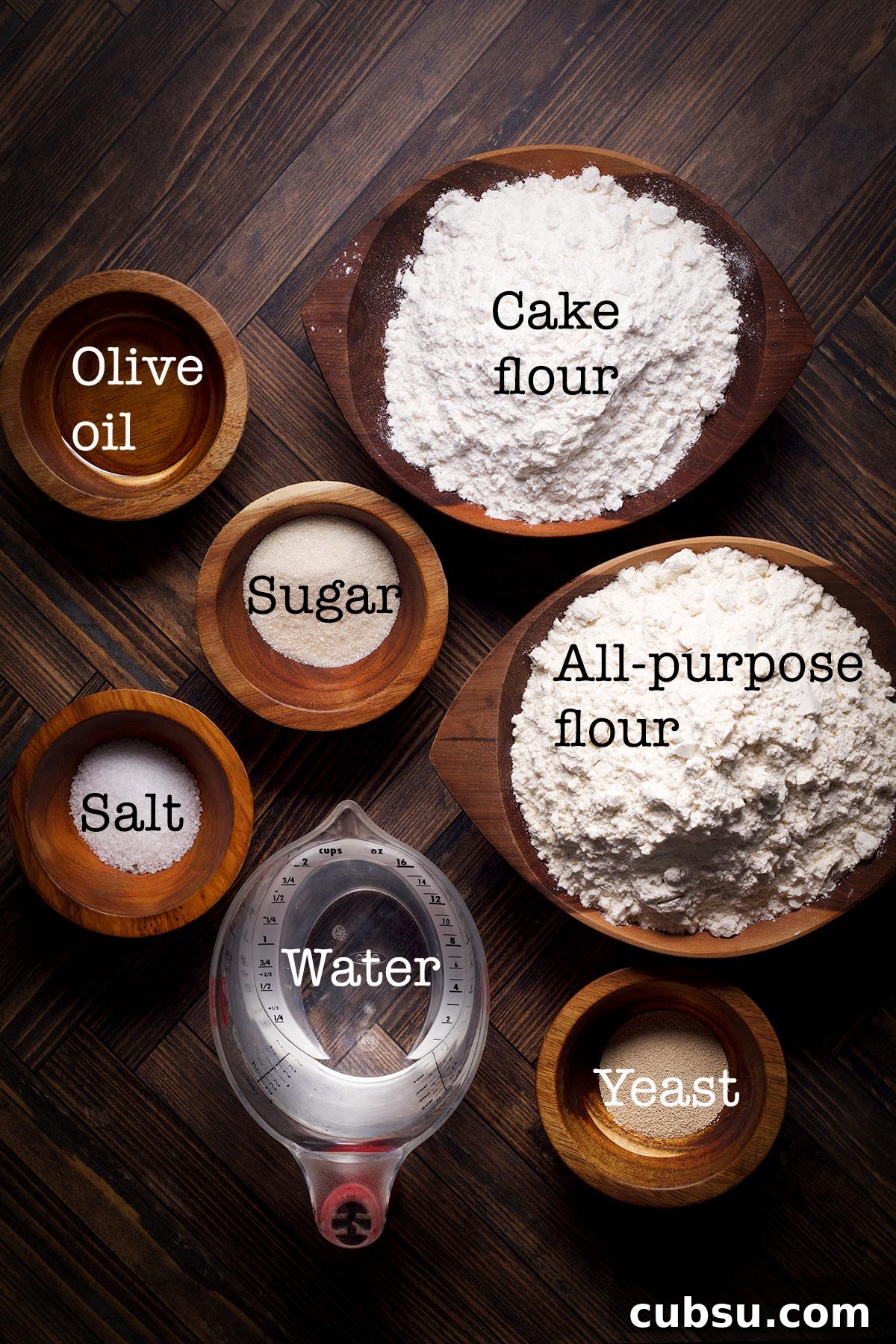
- Cake flour and all-purpose flour. A blend of cake flour and all-purpose flour yields a crust that is crisp outside and soft and chewy inside. If you don’t have cake flour, a simple substitution is provided below.
- Extra virgin olive oil. A tablespoon or two to coat the dough while it rises prevents sticking and adds subtle flavor.
- Sugar and salt. Both enhance flavor—too little of either produces a bland crust.
- Yeast. Active dry or instant yeast both work well. Rapid-rise yeasts can be used if you plan to bake within 12 hours; otherwise stick with active dry or instant.
- Water. Use lukewarm water (about 90–110°F / 32–43°C) to activate the yeast. Too hot will kill it; too cool will slow activity.
Pro tip: If you don’t have cake flour, substitute by measuring 2 cups (240 g) all-purpose flour and replacing 4 tablespoons (about 28–30 g) of it with cornstarch. Whisk thoroughly before using. You can also use only all-purpose flour; the crumb will be slightly less tender but still tasty.
Step-by-step photos and instructions
These instructions describe using a stand mixer, but you can make the dough by hand as well. Hand-mixing directions are included below.
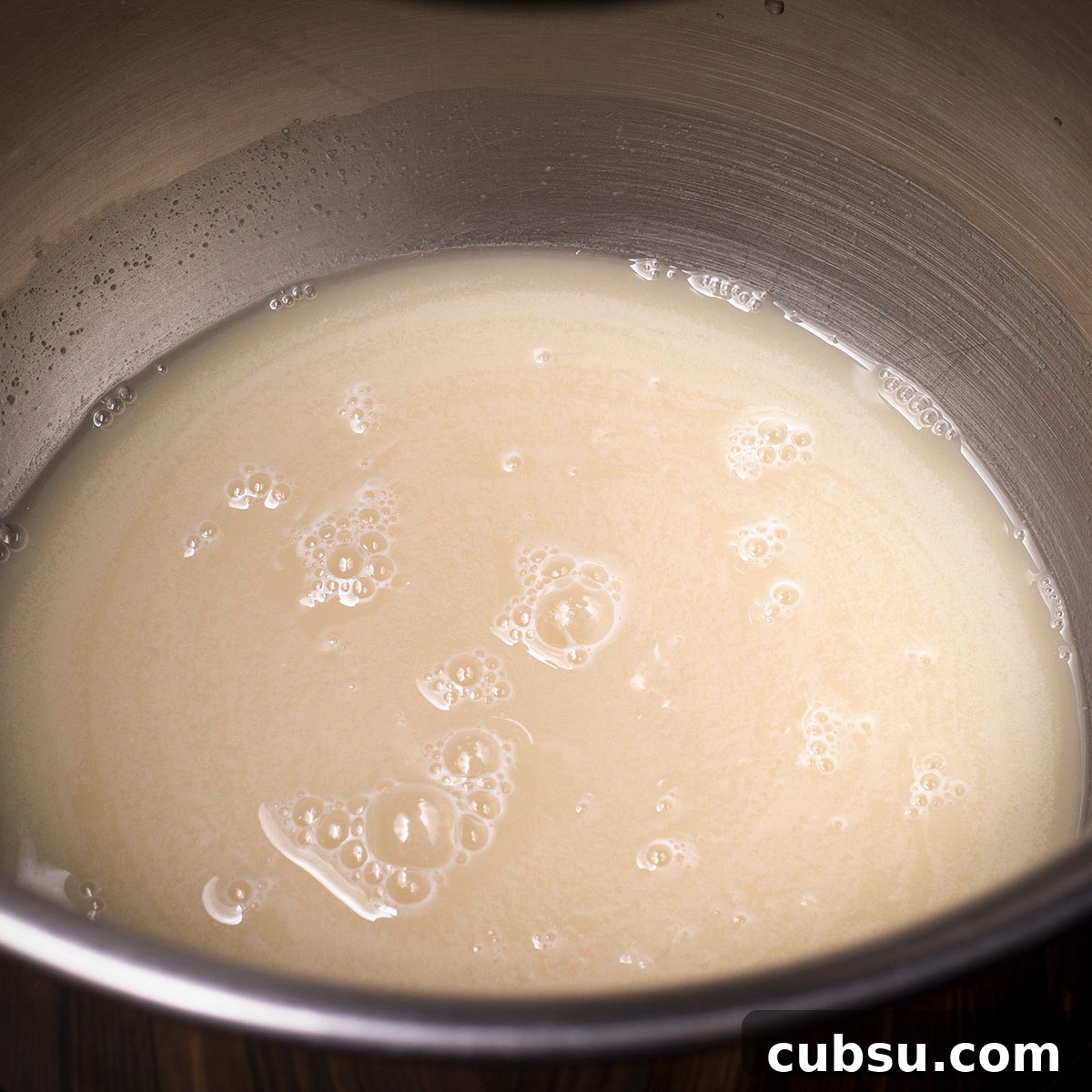
Add the yeast, sugar, and water to the mixer bowl. Whisk and let sit about 5 minutes: the water should look creamy and produce some bubbles. If after 10 minutes there is no bubbling, the yeast is inactive and should be replaced.
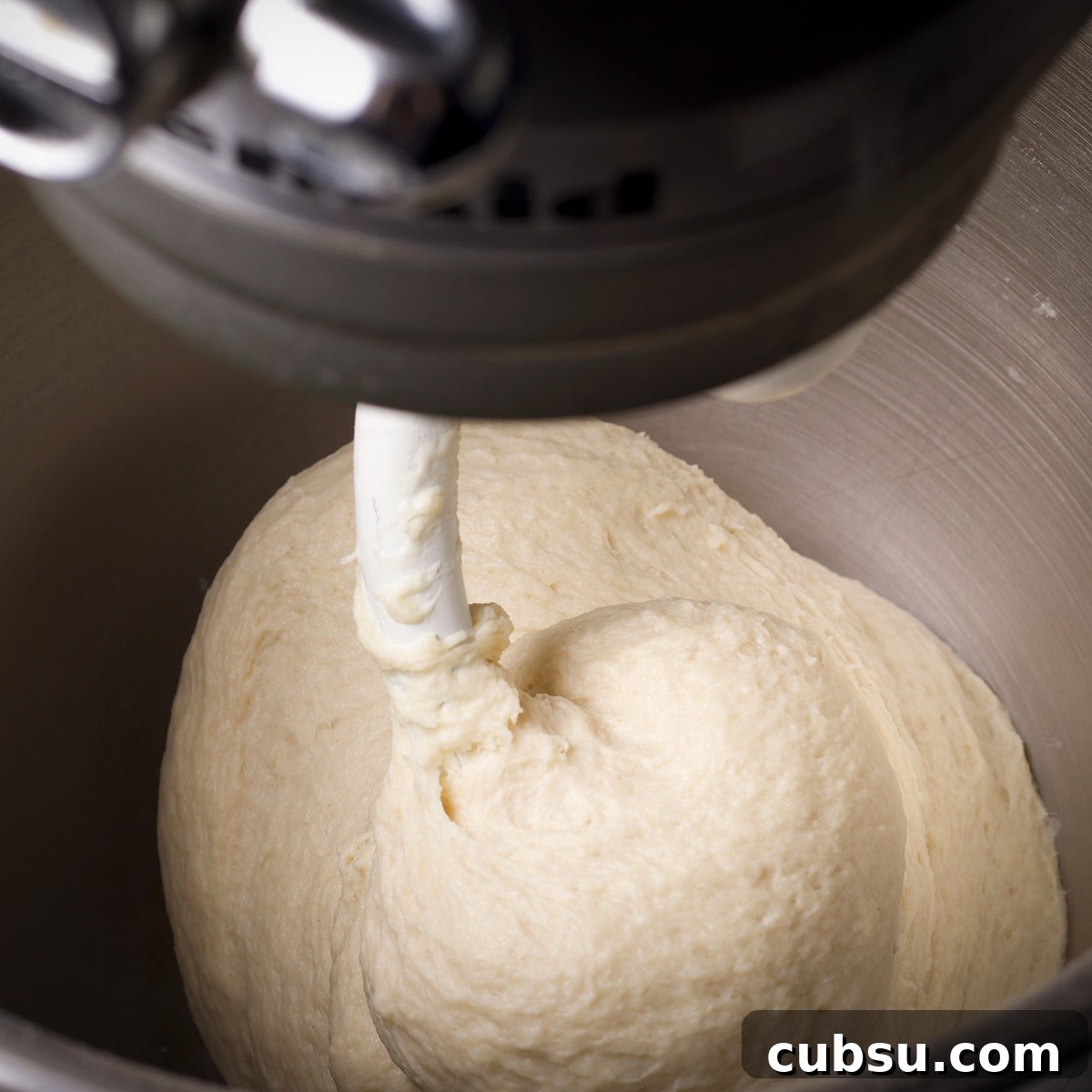
Add the all-purpose and cake flours. Using the dough hook on low, mix until the dough begins to come together. Increase speed slightly and mix until it looks smooth and cohesive; it may be somewhat wet at this stage.
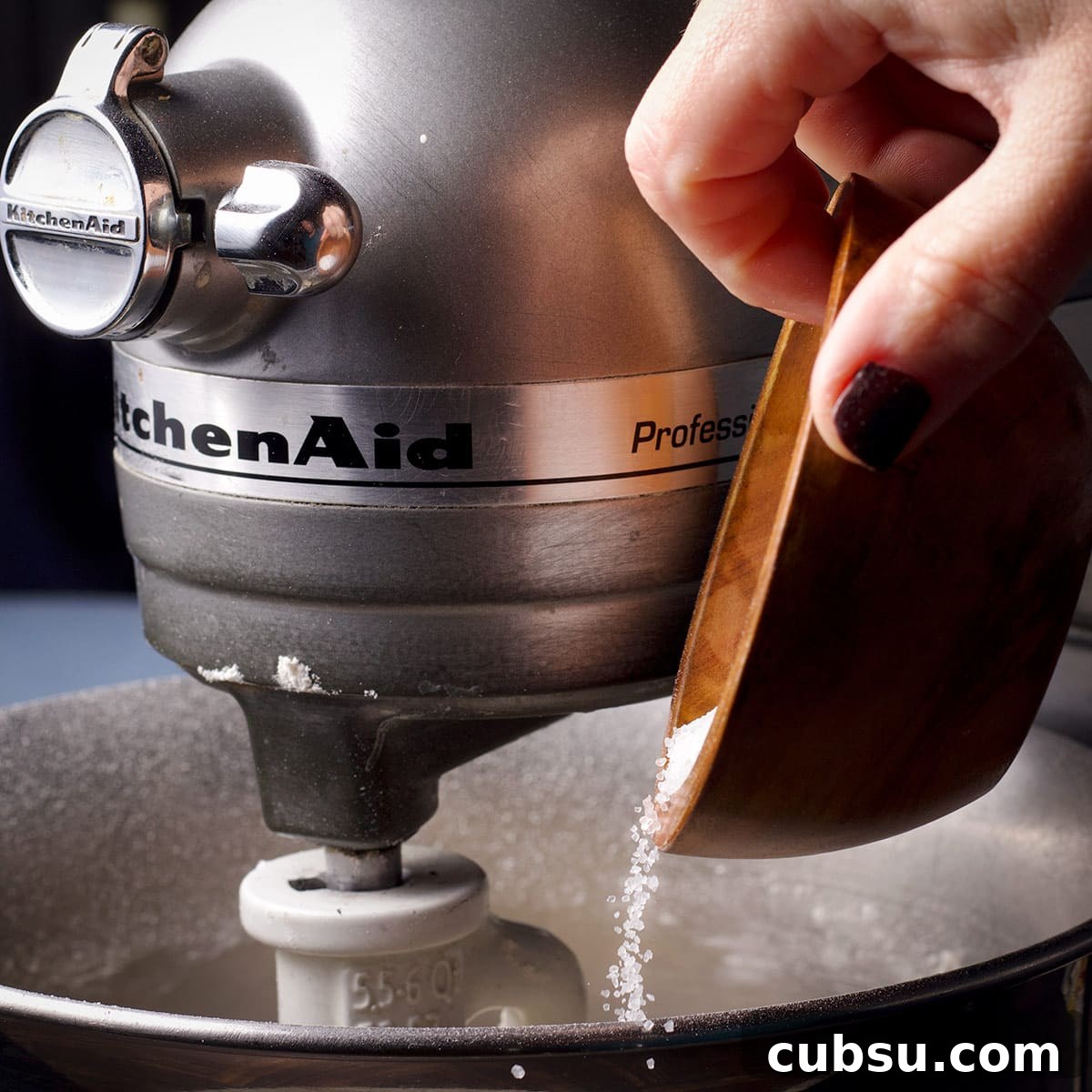
Sprinkle the salt into the dough as it mixes. Continue kneading about 8 more minutes, adding a little flour if the dough is too wet or a teaspoon of water if it’s too dry.
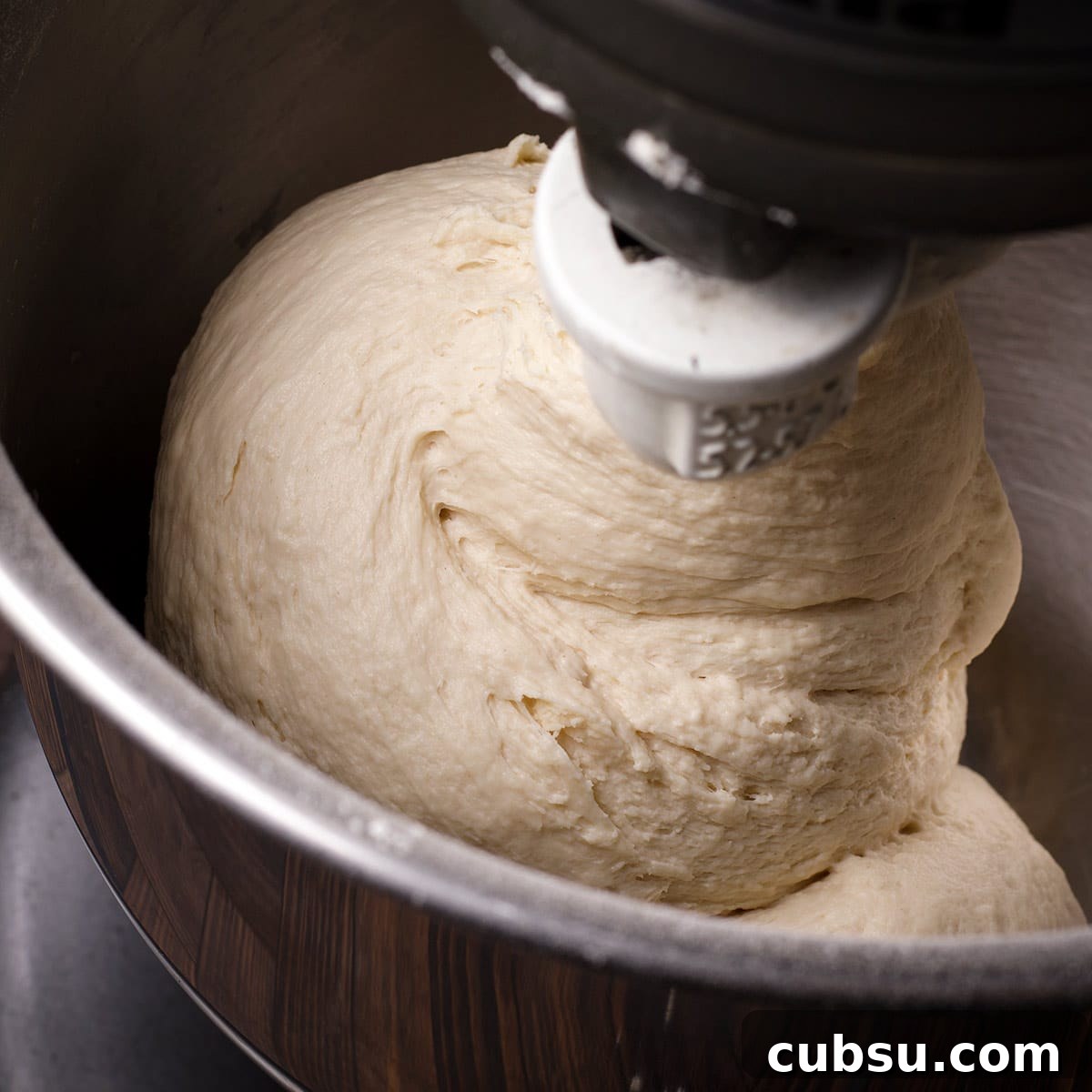
The dough should clear the bowl sides but stick slightly to the bottom. If too dry, add water 1 teaspoon at a time; if too wet, add flour a tablespoon at a time.
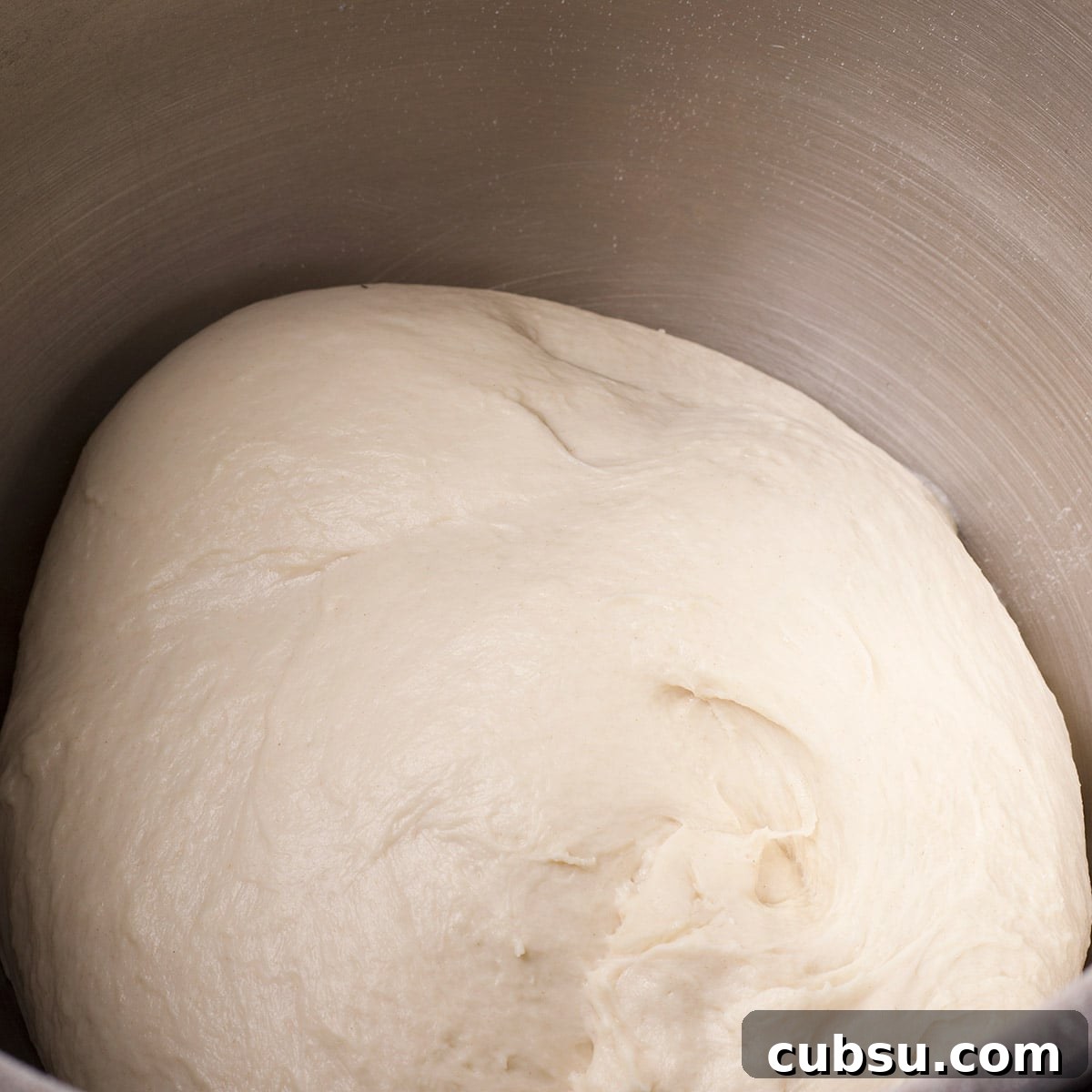
After roughly 8 minutes of kneading the dough should be soft and smooth.
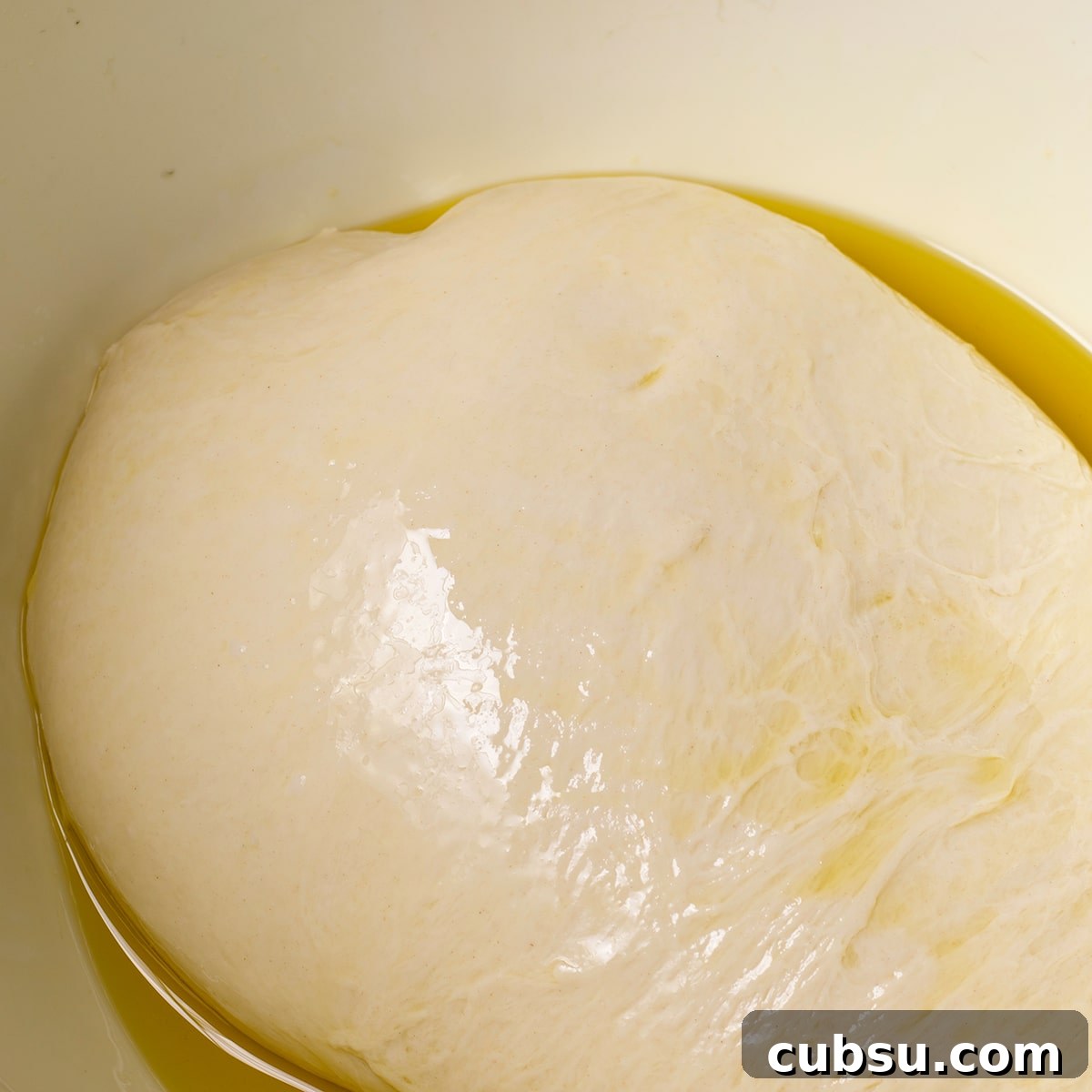
Coat a large bowl with olive oil. Shape the dough into a ball, place it in the bowl, and turn to coat with oil. Cover tightly and let rise at room temperature 1–1½ hours, or refrigerate 6–9 hours.
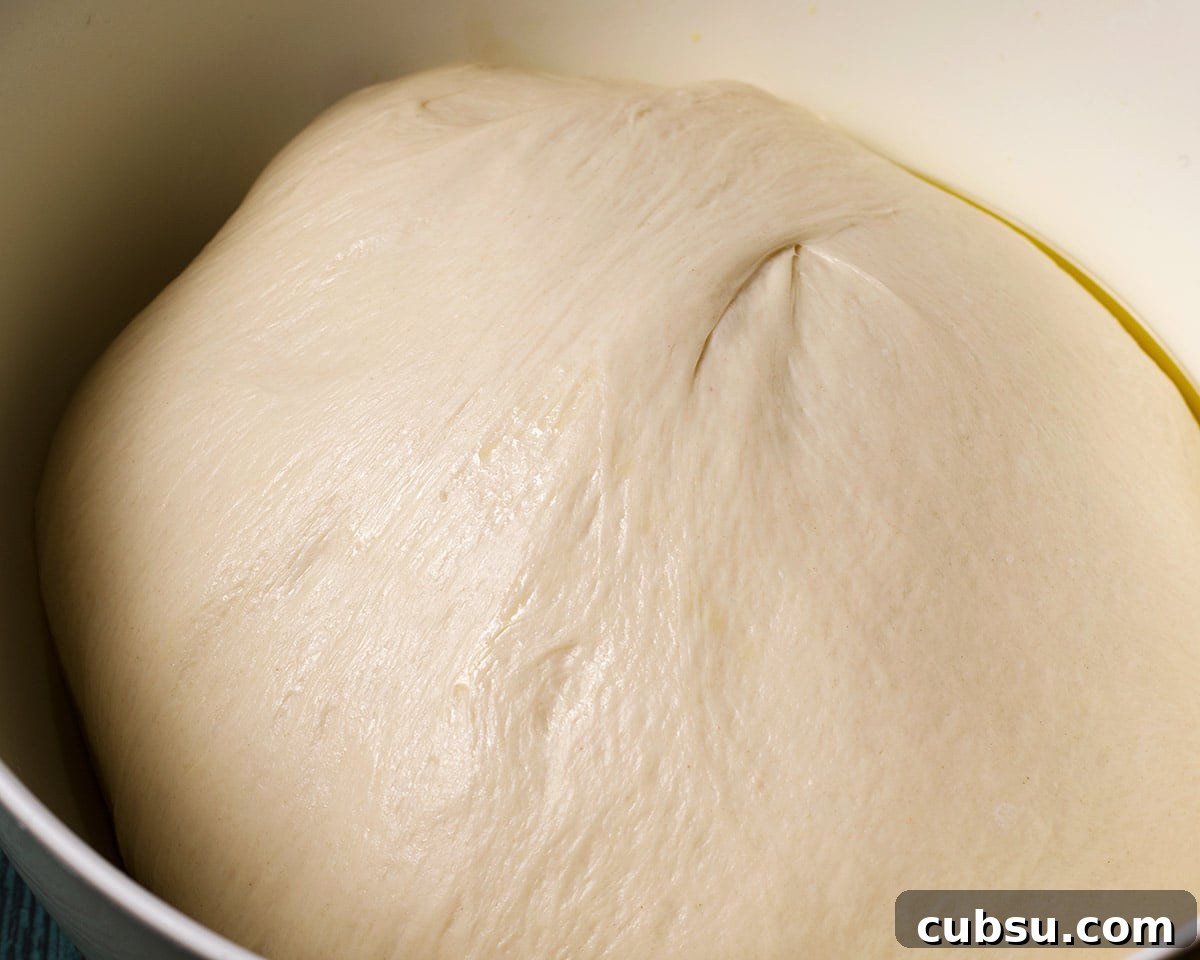
When the dough doubles, it’s ready. Divide into four pieces and keep unused portions covered. If refrigerated, allow dough to come to room temperature for about 30 minutes before shaping.
Hand-mixing method: Bring dough together with a spoon, switch to hands when stirring becomes difficult, and knead on a lightly floured surface until the dough is cohesive but slightly tacky. Sprinkle the salt over the dough and knead until incorporated, about 10 minutes. Add flour as needed so the dough is soft and smooth but not sticky to your hands.
Pizza dough shaping tips
Avoid using a rolling pin. Instead, gently stretch and pat the dough by hand to preserve airiness. This recipe yields about 48 ounces of dough—enough for four 12-inch pizzas—so divide into four equal pieces and work with one at a time, keeping the rest covered.
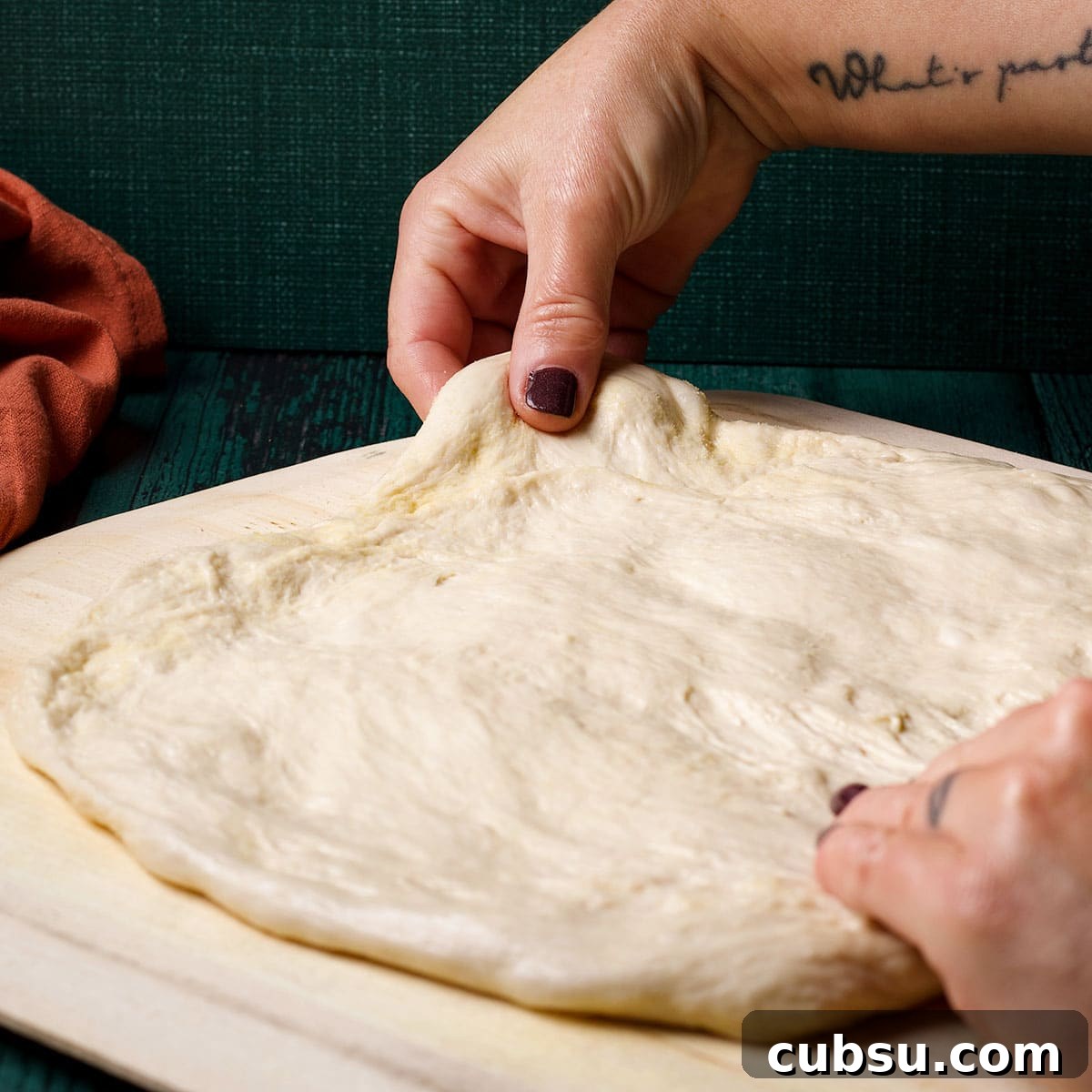
Transfer the stretched dough to a pizza peel or a rimless baking sheet dusted with semolina or placed on parchment to prevent sticking. Semolina is coarse and won’t absorb into the dough or burn while baking. Parchment makes it easy to transfer the pizza in and out of the oven.
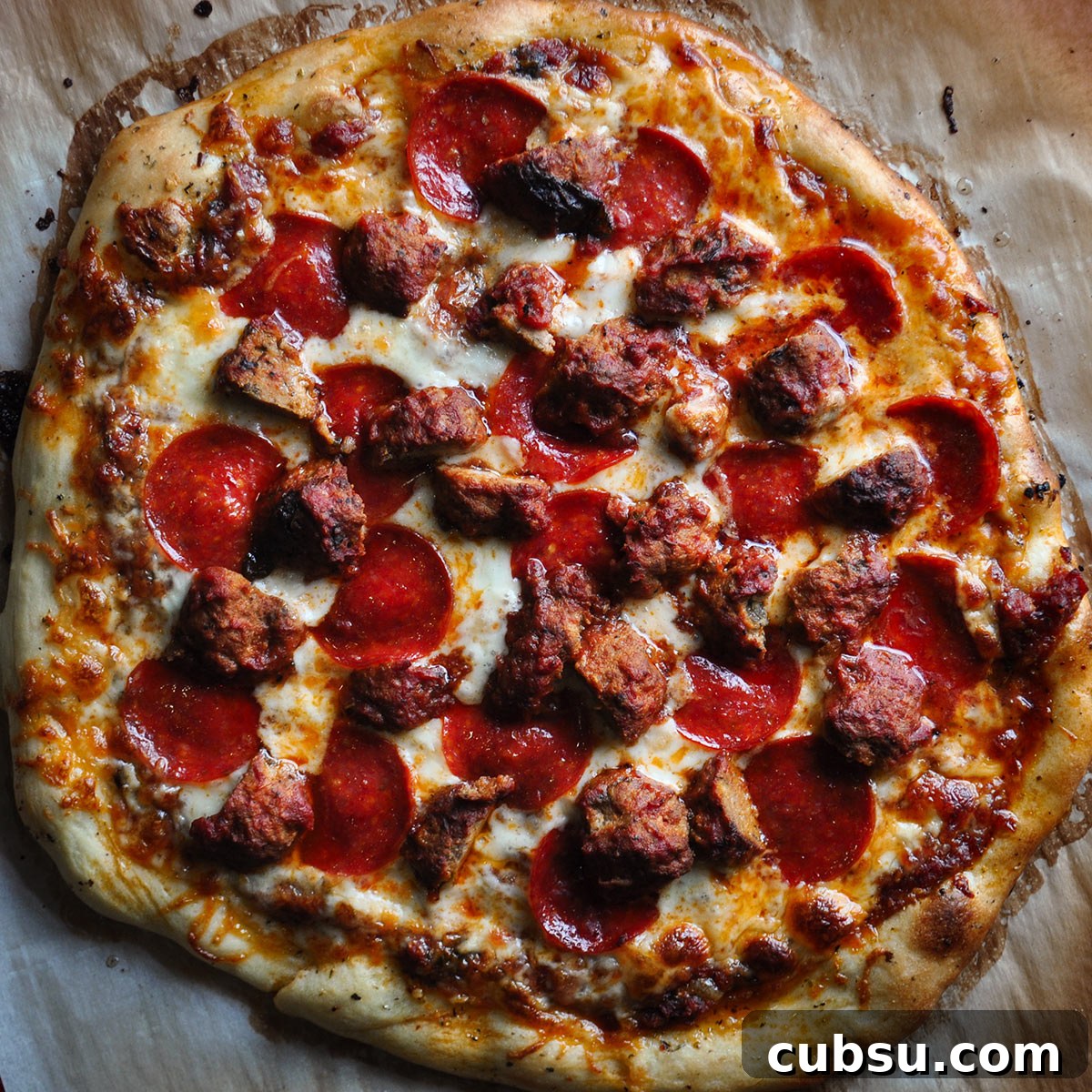
Pizza dough baking tips
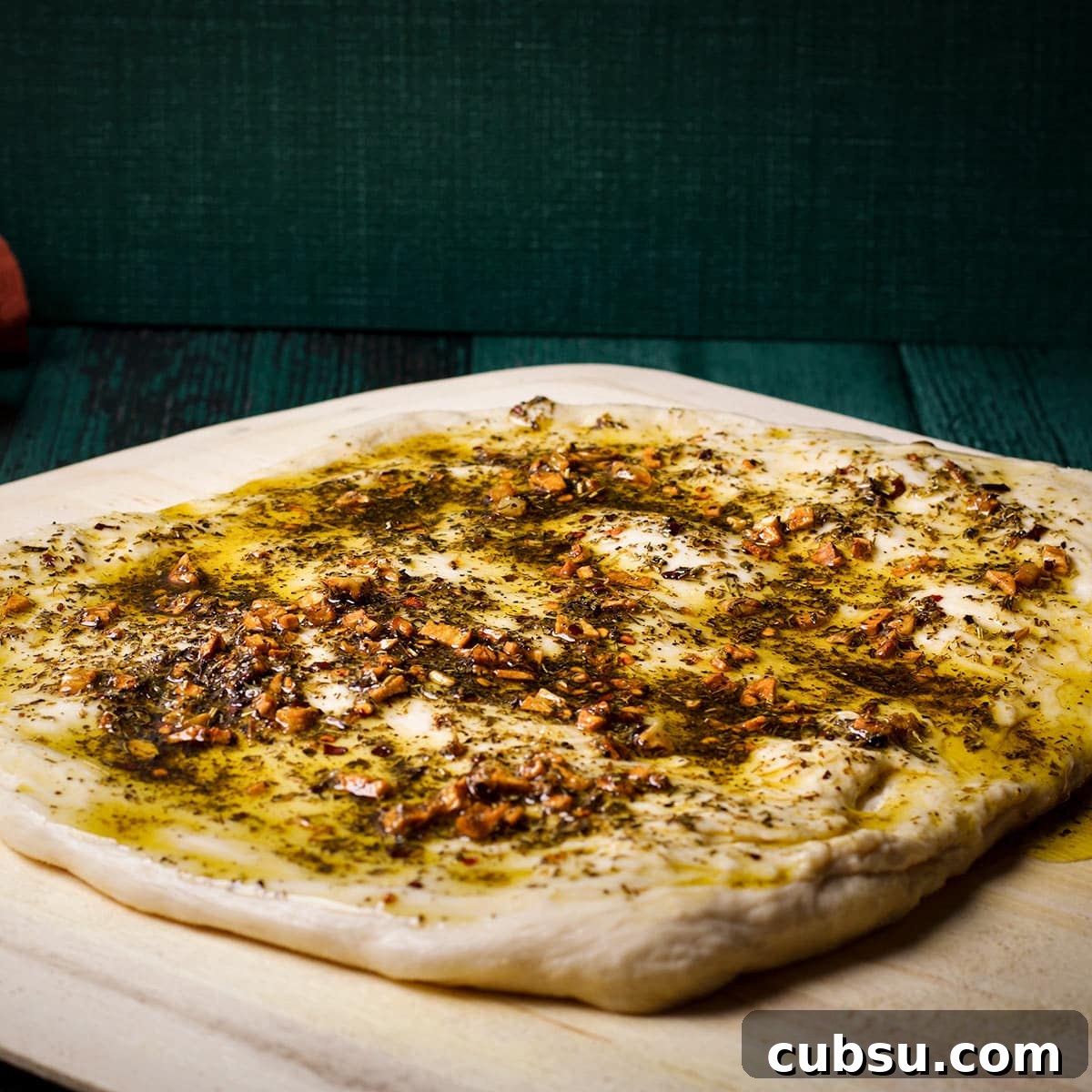
Brushing the dough with a flavored oil before adding sauce and cheese adds a lot of flavor with little effort. A simple garlic-herb oil works great:
- 5 tablespoons olive oil
- 1 tablespoon minced garlic
- 2 teaspoons dried Italian seasoning
- 1 teaspoon crushed red pepper
- 1 teaspoon salt
Stir and brush lightly over the rolled crust before adding toppings.
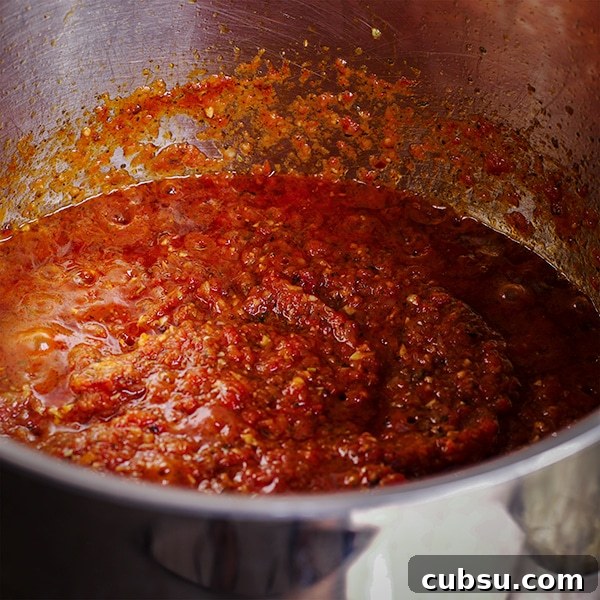
My favorite pizza sauce is a thick homemade marinara—rich, balanced, and great leftover for multiple uses. It needs a bit of simmering time but can be made ahead. Leftover sauce freezes well for future pizzas, pastas, or meatballs.
“This is the only bread recipe I didn’t have to add extra flour to. It had a nice chew and flavor. I have three balls in the freezer now—pizza nights at home for sure!” — Barb
Bake pizza in a very hot oven—475–500°F (246–260°C). For best results, preheat a pizza stone or baking steel inside the oven so the surface is very hot when the pizza goes on it. If you don’t have a stone or steel, use an overturned rimmed baking sheet preheated on the lowest rack.
Homemade Pizza Dough FAQs
Yes. Stones or steels give the crispiest crust, but you can still achieve great results by preheating an overturned rimmed baking sheet on the lowest oven rack.
A small amount of cake flour softens the crumb for a tender interior while keeping a crisp exterior. If you don’t have cake flour, replace 4 tablespoons of all-purpose flour with 4 tablespoons of cornstarch per 2 cups of all-purpose flour and whisk to combine.
Active dry or instant yeast are both suitable. Instant yeast can be mixed directly into dry ingredients, but proofing the yeast in water first confirms it’s active before you proceed.
Yes. Freeze dough after the first rise. Punch it down, place in airtight bags, and freeze up to 3 months. Thaw overnight in the refrigerator before using. You can also roll the dough out, freeze flat on parchment, then wrap and store.
Favorite homemade pizza toppings
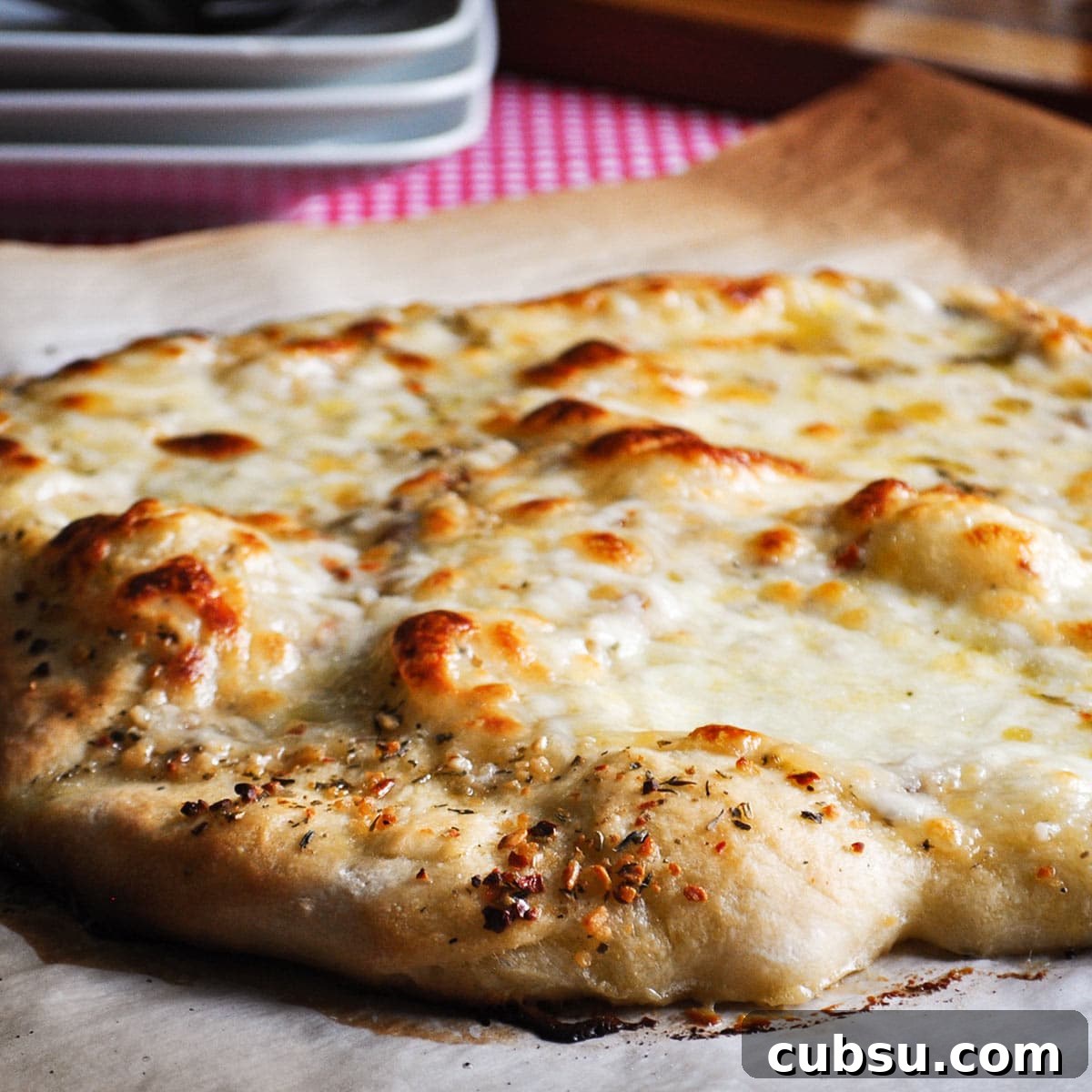
Simple cheese pizza is one of my favorites. Brush the crust with garlic-herb oil or marinara, then top with your preferred melting cheeses: mozzarella (fresh or standard), fontina, provolone, Monterey Jack, Muenster, or a blend. Finish with a sprinkle of Parmesan for added depth.
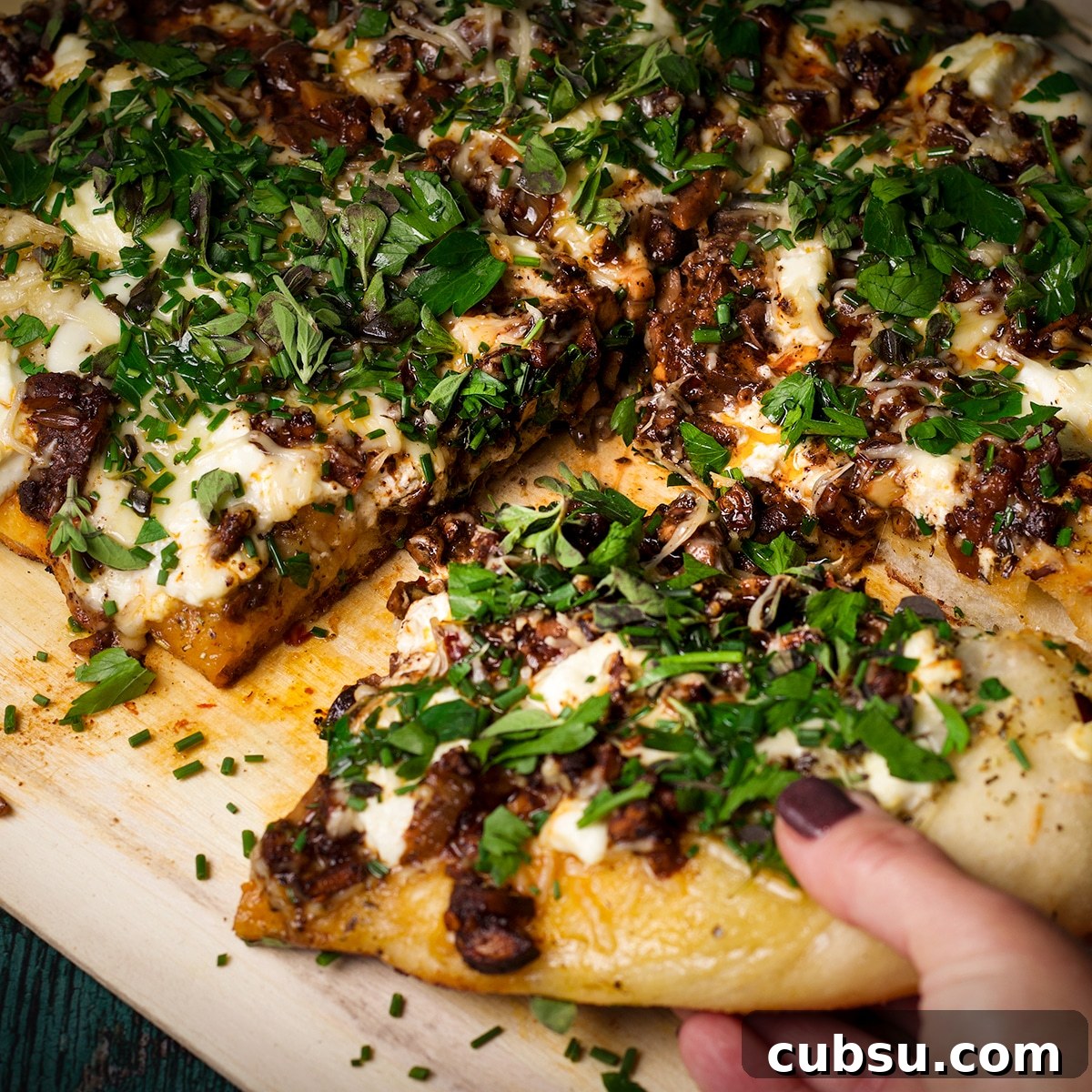
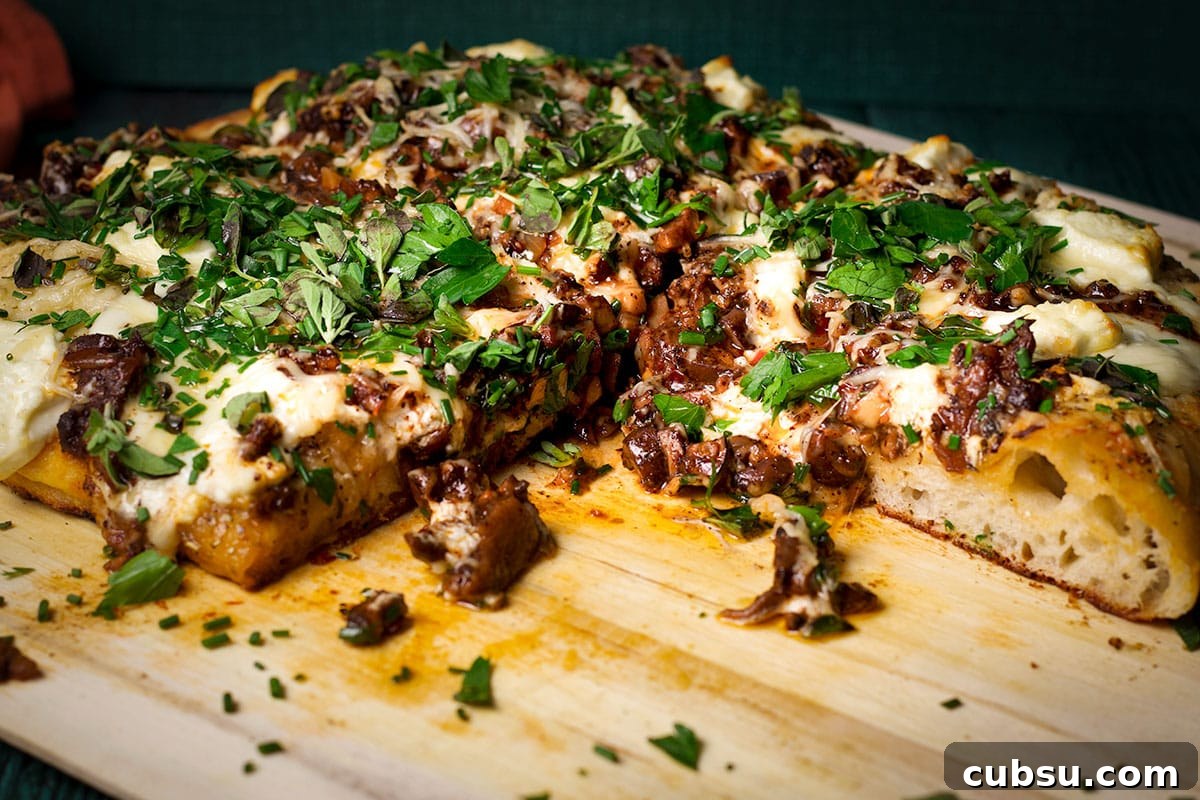
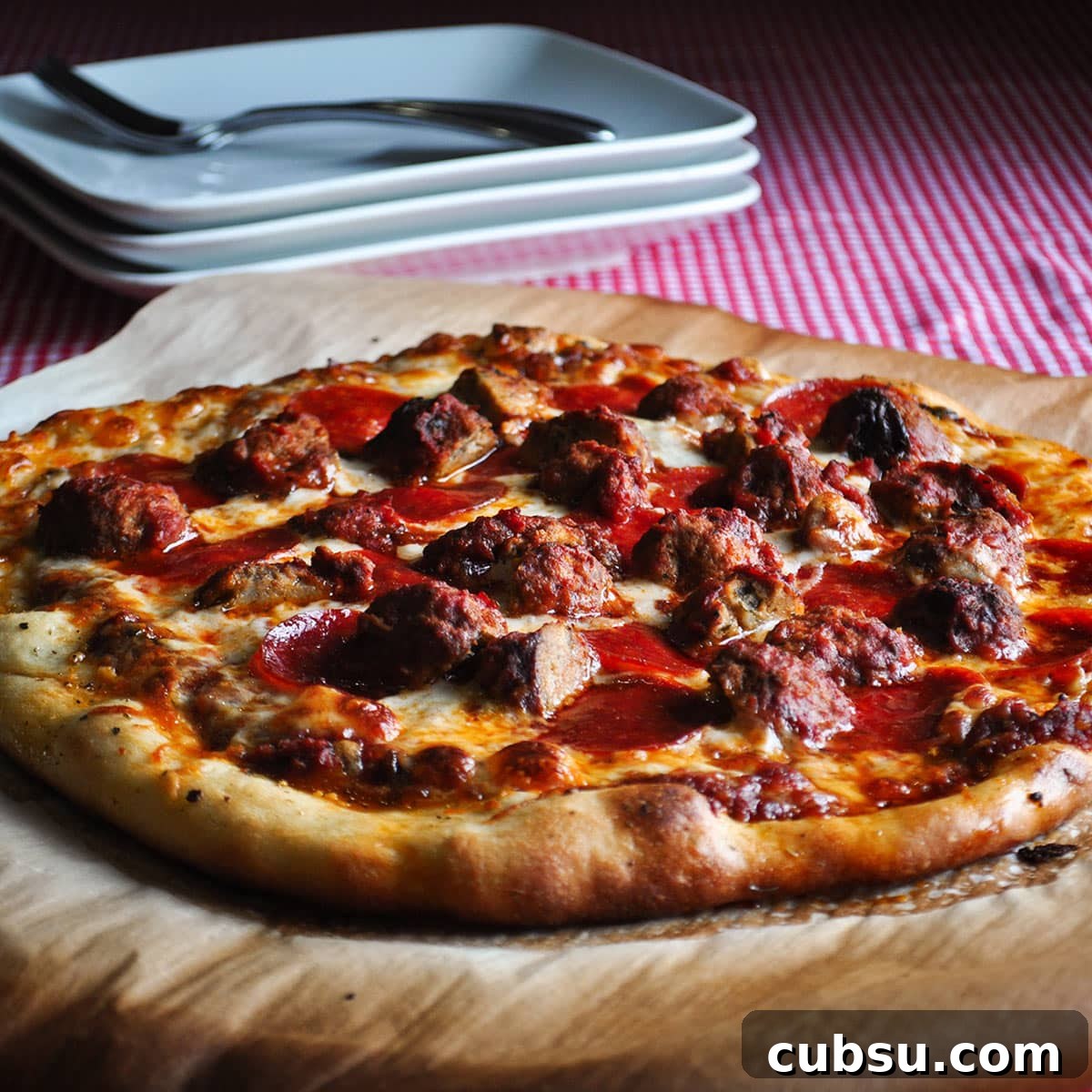
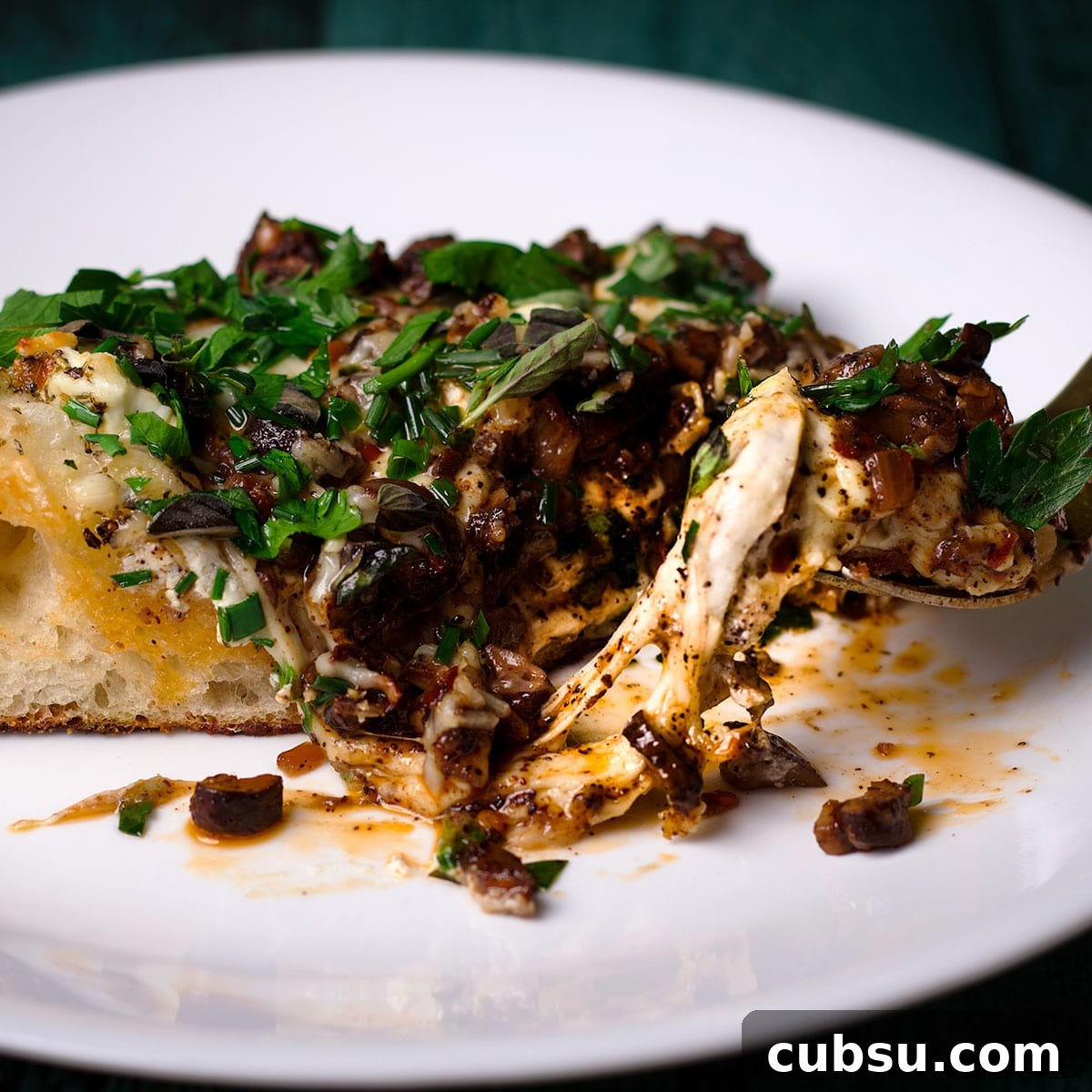
I often use leftover meatballs for meatball pizza. Recently I’ve been loving mushroom ragu on pizza with a mix of cheeses, truffle oil, and fresh herbs for a rich, decadent pie. For something different try BBQ fried chicken with slaw, or ham and cheese with caramelized onions and a touch of apple butter.
Pizza Dough is a Building Block Recipe
This dough is a foundational recipe I return to often. Use it as written or adapt it to create new pizzas and breads—it’s flexible and reliable.
“Finally tried this recipe. Absolutely delicious! It rose perfectly. This will be my go-to pizza crust.” — Jean
📖 Recipe
Homemade Pizza Dough
About 48 ounces of dough; enough for four 12-inch pizzas
20 minutes
1 hour 30 minutes
1 hour 50 minutes
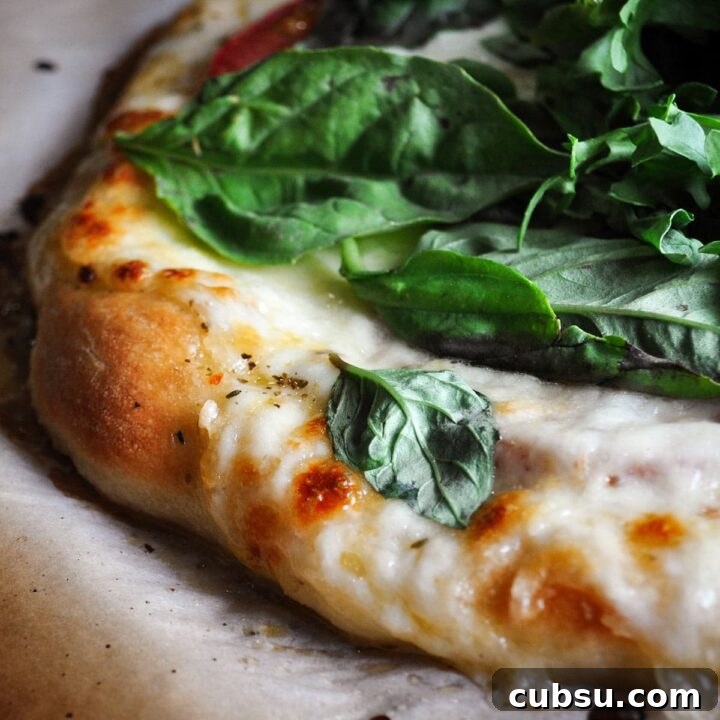
This dough is simple and fail-proof, creating a flavorful, chewy crust with a soft interior and crisp exterior.
Ingredients
- 2 ½ teaspoons (7 g) active dry yeast
- 2 tablespoons (25 g) granulated sugar
- 2 cups (480 g) lukewarm water (90–110°F / 32–43°C)
- 3 ½ cups (420 g) all-purpose flour
- 2 cups (240 g) cake flour (see substitution note)
- 1 tablespoon kosher salt (or 2 teaspoons table salt)
- About 2 tablespoons extra virgin olive oil for coating the bowl
Instructions
- Add the yeast, sugar, and water to a mixer bowl. Whisk and let sit about 5 minutes until the mixture is creamy and a bit bubbly.
- Add the all-purpose and cake flours. Using a dough hook, mix on low until the dough comes together.
- When the dough looks smooth and cohesive, sprinkle in the salt and continue kneading about 8 minutes. The dough should clear the bowl sides but stick slightly to the bottom. If too dry, add water 1 teaspoon at a time; if too wet, add a tablespoon of flour at a time.
- Coat a large bowl with olive oil, form the dough into a ball, place it in the bowl, and turn to coat. Cover and let rise at room temperature 1–1½ hours or refrigerate 6–9 hours.
- Divide the dough into 4 pieces. Keep unused dough covered while you shape one pizza at a time. If refrigerated, let dough come to room temperature about 30 minutes before shaping.
The dough is now ready for any style of pizza. See the baking tips above for best results.
Notes
- This recipe makes four 12-inch pizzas. Halve the recipe if needed.
- Pizza dough freezes well. After the first rise, punch down, place in airtight bags, and freeze up to 3 months. Thaw overnight in the refrigerator before using.
Cake flour substitute:
- Measure 2 cups (240 g) all-purpose flour.
- Replace 4 tablespoons (about 28–30 g) of that flour with cornstarch and whisk to combine.
- Proceed with the recipe.
Nutrition Information
Yield: 16
Serving Size: 4 ounces of dough (approx. 1 slice)
Amount Per Serving:
Calories: 170
Sodium: 438mg
Carbohydrates: 36g
Protein: 4g