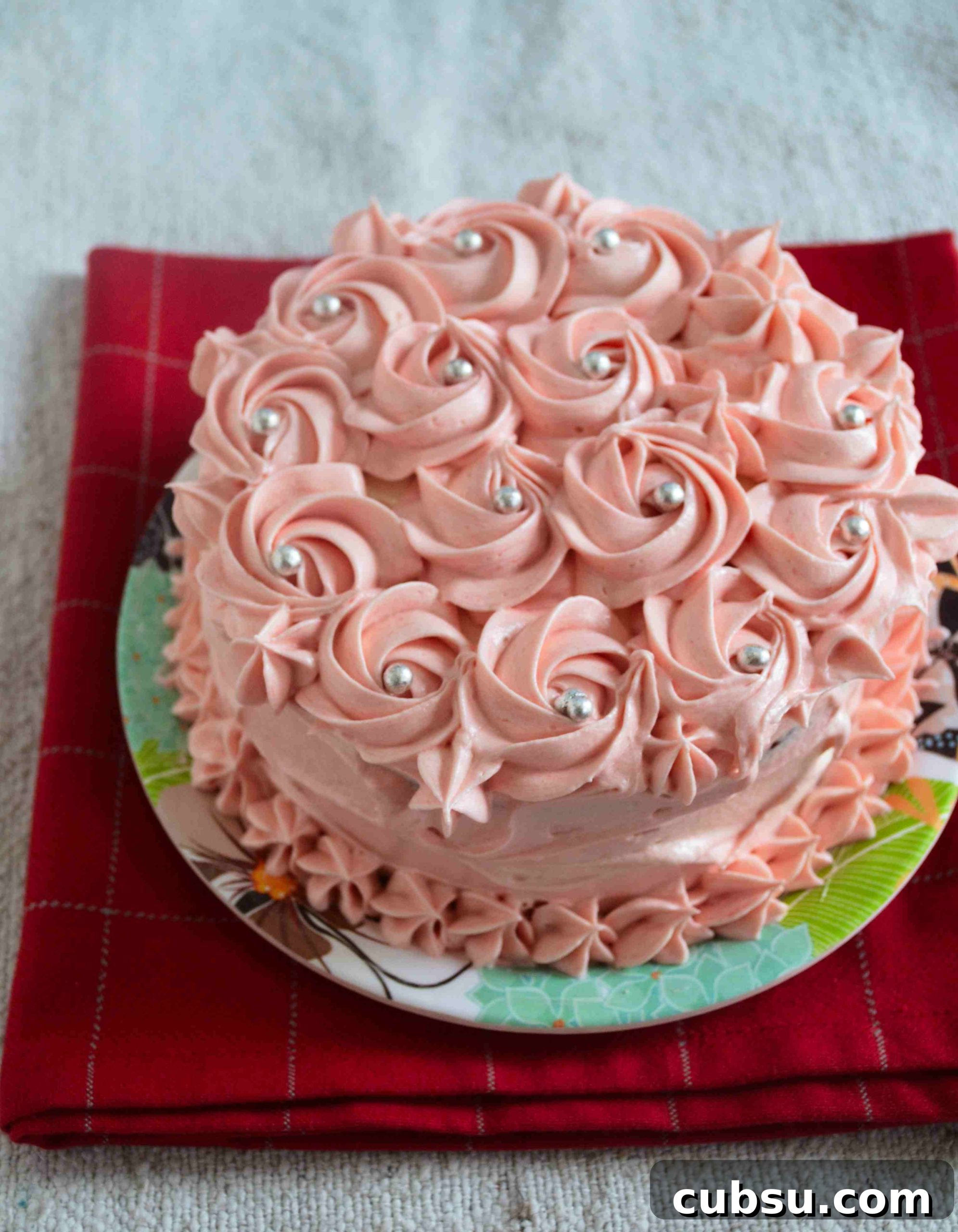
Ever since I began the Baking Basics Series, I’ve been fascinated with different types of buttercreams. After I posted the Italian Meringue Buttercream, many readers asked for an eggless alternative with a similar texture. I experimented with a boiled flour buttercream for a red velvet cake. At first it was simple and tasty but too loose to pipe. I learned the reason: I hadn’t beaten it long enough. I mixed the flour custard and butter just to combine them, which produced a light, fluffy but slightly soft cream. It tasted good, but it couldn’t hold piped decorations.
I made a video demonstrating how to make Eggless Red Velvet Cake with Boiled Flour Buttercream. If you enjoy the video, please consider subscribing to the channel.
While researching recipes I discovered that the key step is the beating time, much like with IMBC (Italian Meringue Buttercream). For IMBC you must beat the mixture for more than five minutes to achieve a light, airy buttercream — otherwise the result can be runny. This time I was patient and beat the mixture until it was stiff enough to pipe. A caution: this buttercream behaves very much like whipped cream. If you overbeat it, it will break and become a grainy, buttery mixture. The technique is to beat only until the cream holds its shape; when it forms soft peaks, stop. Another important point: this is a non-crusting buttercream, so it stays soft at room temperature. Keep the cake in a cool place because excessive heat can soften or melt the butter.
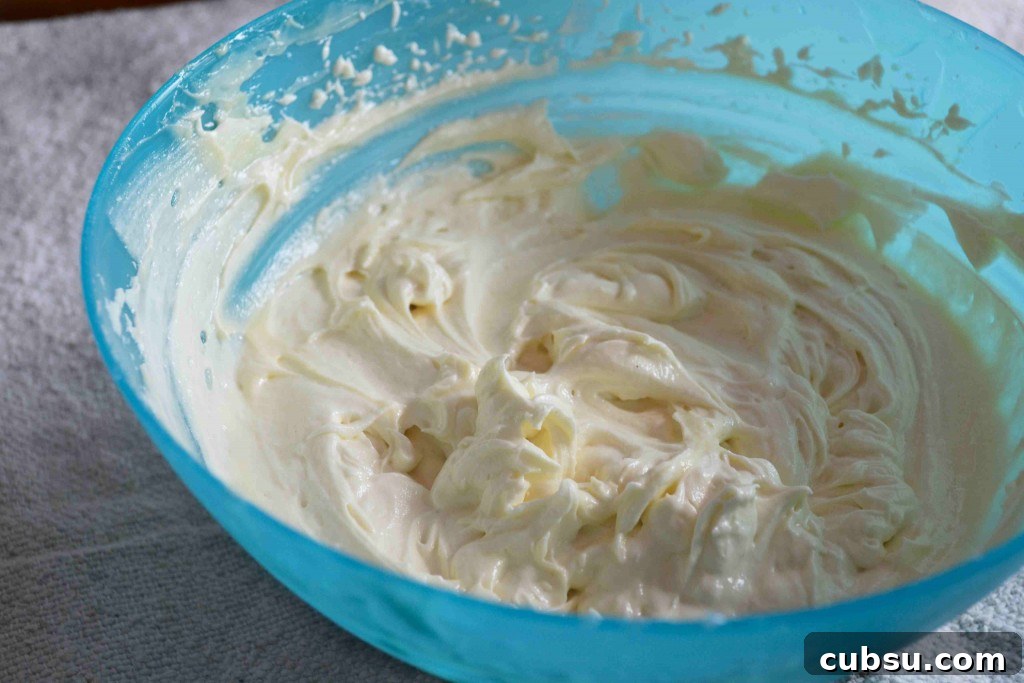
The preparation of this buttercream is different from the other buttercreams on this blog. You first make a smooth custard from milk, sugar and flour, and then whip it with butter to create a fluffy buttercream. There are several points to keep in mind while making this:
- The custard should not be overly thick. If it becomes too dense, it can easily turn lumpy and make it difficult to achieve a smooth buttercream.
- If lumps do form, press the custard through a fine sieve to remove them before proceeding.
- The custard must be at room temperature before you add butter. If it is still hot, the butter will melt and the mixture will become soupy. If it is too cold, the butter can form lumps and won’t incorporate smoothly.
- The butter should also be at room temperature—soft but still able to hold its shape. If it’s too cold it won’t mix well; if too warm it will be liquid and the buttercream will be loose.
- One helpful tip: whip the butter until light and fluffy before you add it to the custard. This makes incorporation easier and yields a lighter finished buttercream.
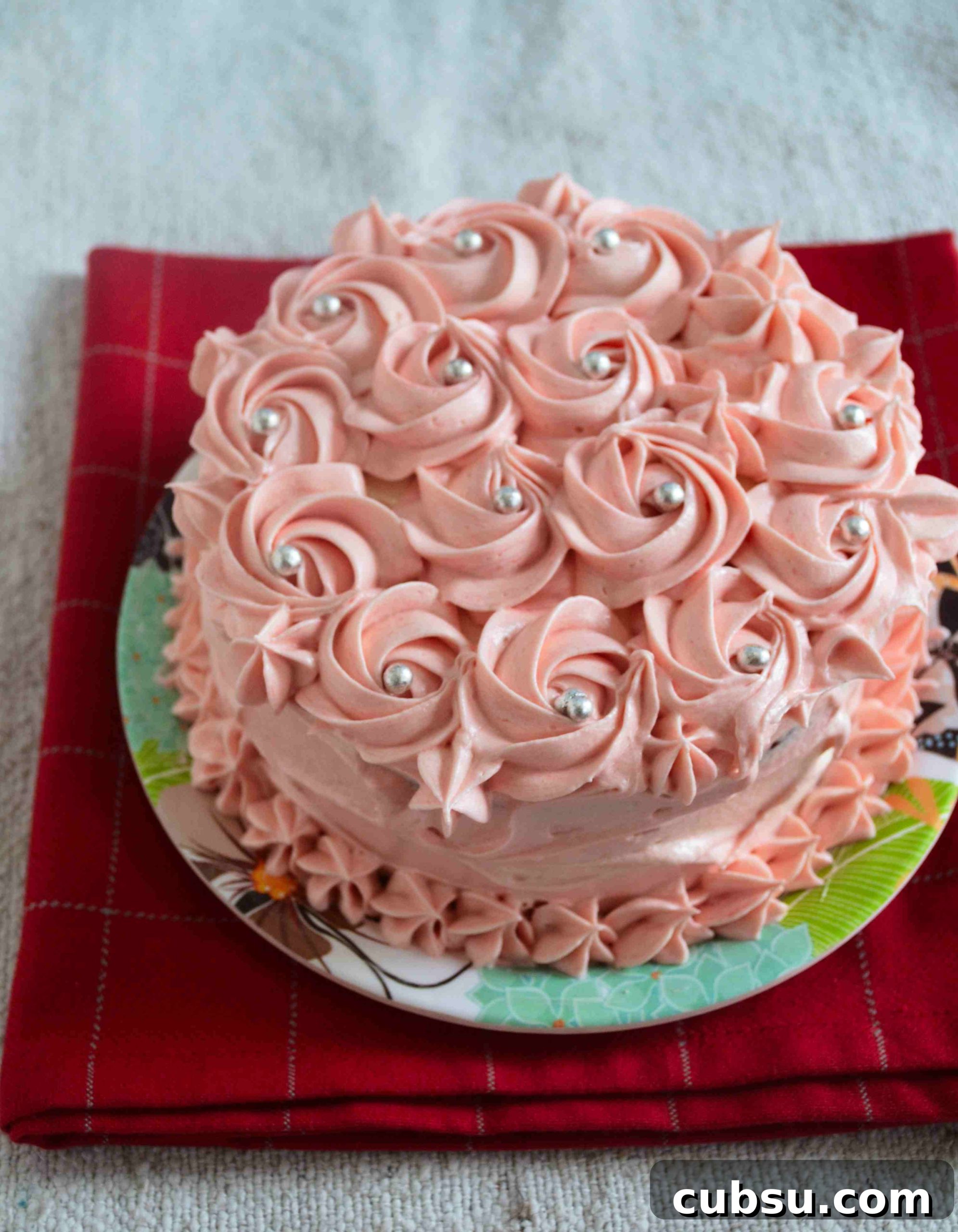
I used this whipped boiled-flour buttercream on my eggless red velvet cake and was delighted to be able to pipe rosettes on top. However, its smooth texture makes it more likely to slide on vertical sides, so piping on sides may be challenging in warm conditions. Below is the recipe and step-by-step procedure.
Ingredients:
Milk – 1 cup
All-purpose flour – 4 1/2 tbsp
Sugar – 1 cup
Butter – 1 cup (softened to room temperature)
Vanilla essence – 1/2 tsp
Procedure:
1. In a saucepan, combine the flour and sugar first so the dry ingredients are evenly mixed.
2. Add the milk gradually while whisking to form a smooth mixture with no lumps.
3. Heat the mixture over medium-low heat, stirring continuously until it thickens into a smooth custard. When you lift the whisk, the custard should cling and hang from it rather than run in a thin stream.
4. Remove the custard from the heat and whisk for another minute to maintain a silky texture.
5. Cover the surface of the custard with cling film, pressing it directly onto the surface to prevent a skin from forming.
6. Allow the custard to cool completely to room temperature before continuing.
7. In a separate bowl, beat the softened butter until light and fluffy. Set aside.
8. Beat the cooled custard briefly to smooth it, then add the whipped butter one tablespoon at a time, beating until each addition is fully incorporated.
9. Once all the butter has been added, mix in the vanilla essence.
10. Continue beating the mixture. Initially it will look silky and glossy; after a while it will start to thicken and become more stable.
11. Stop beating once the cream can hold soft peaks and maintains its shape. Be careful not to overbeat.
12. Use the buttercream immediately, or refrigerate until needed. If refrigerated, bring it back to room temperature and beat briefly again before decorating to restore the desired consistency.
13. You can color this buttercream easily with gel food colors for vibrant, consistent shades.
Other topics under the Baking Basics Series:
- Oven
- Tools
- Homemade Pan Release
- Ingredient Substitutes
- Eggless Baking
- Flax Gel
- Dark Chocolate Ganache
- American Buttercream
- Homemade Veg Fondant – Gelatin Free
- How to do Frozen Buttercream Transfer (FBCT)
- Italian Meringue Buttercream (IMBC)
- Homemade Cream Cheese
- Homemade Mascarpone Cheese
- Boiled Flour Buttercream / Whipped Buttercream
Whipped Butter Cream Recipe
Ingredients
Ingredients
- Milk – 1 cup
- Flour – 4 1/2 tbsp
- Sugar – 1 cup
- Butter – 1 cup (softened)
- Vanilla essence – 1/2 tsp
Instructions
Procedure
-
In a saucepan mix together the flour and sugar.
-
Add the milk and whisk well until smooth.
-
Heat the mixture, stirring continuously, until it thickens into a custard that clings to the whisk.
-
Remove from heat and whisk for another minute to keep it smooth.
-
Cover the custard with cling film pressed onto the surface; cool to room temperature.
-
Beat the butter in a separate bowl until fluffy and set aside.
-
Beat the cooled custard briefly, then add the butter one tablespoon at a time, beating until incorporated.
-
Add vanilla essence once all the butter is incorporated, and continue beating until the cream holds peaks.
-
Stop as soon as the buttercream holds its shape; avoid overbeating. Use immediately or refrigerate and rewhip briefly before use.
-
Color with gel food coloring as desired.