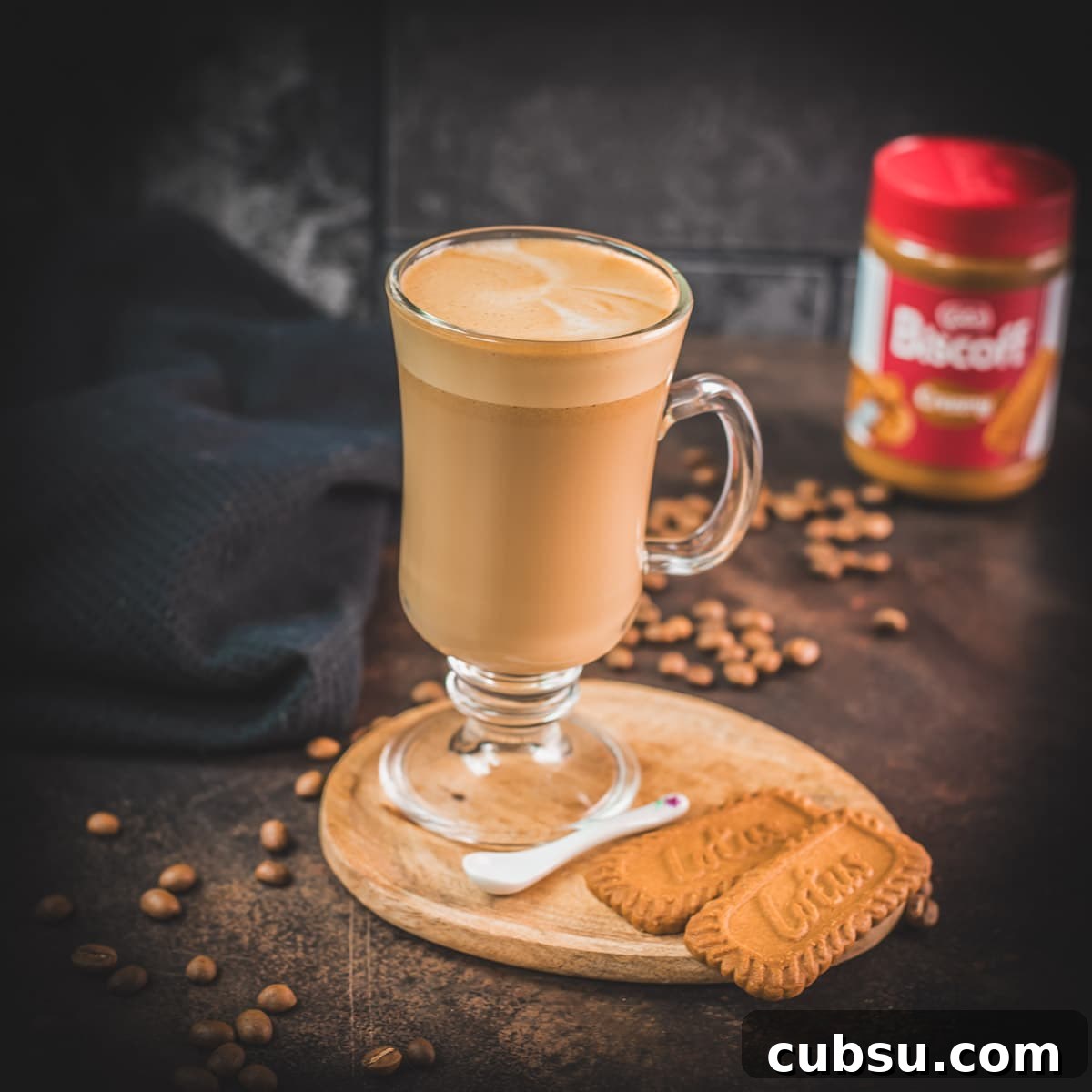
Homemade Biscoff Latte in Minutes
If you crave a cozy café moment and the warm, caramel-spiced flavor of Biscoff, this quick Biscoff Latte delivers. Made with just espresso, milk, and a spoonful of Biscoff spread, it transforms ordinary coffee into a creamy, indulgent treat you can make at home in minutes. No advanced prep or specialized ingredients required—just a few simple steps and a comforting cup.
Want a café-style Biscoff latte ready in under five minutes?

This recipe is my go-to when I want something comforting without planning ahead. The Biscoff spread melts smoothly into warm milk, adding that unmistakable cookie-like caramel and spice. The espresso keeps the drink balanced and coffee-forward, so the result feels indulgent but still like a proper latte. It’s simple, satisfying, and endlessly adaptable.
If you want to make it a special break, serve the latte with a small treat on the side. A slice of Chestnut Bundt Cake complements the warm spices beautifully, while a light Whipped Cream Bundt Cake makes the moment feel extra indulgent. For maximum decadence, top the latte with a swirl of whipped cream and a sprinkle of cookie crumbs.
Let’s make a delicious cup together. ☕️✨
👣 Step-by-Step
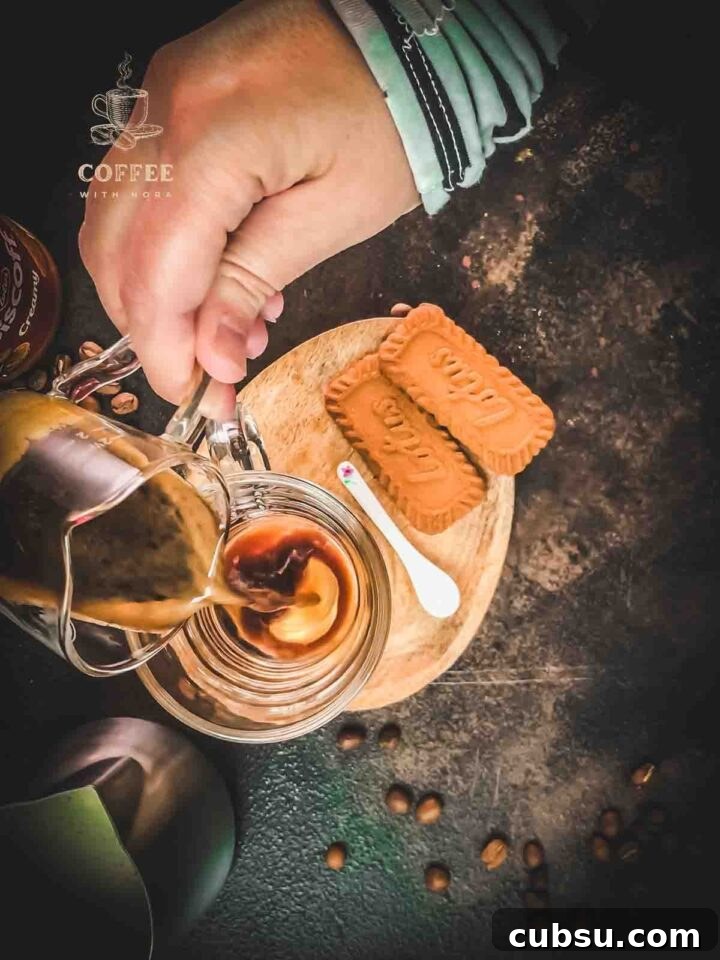
Step 1
Brew 1–2 oz of espresso and pour it into a heatproof mug or serving glass.
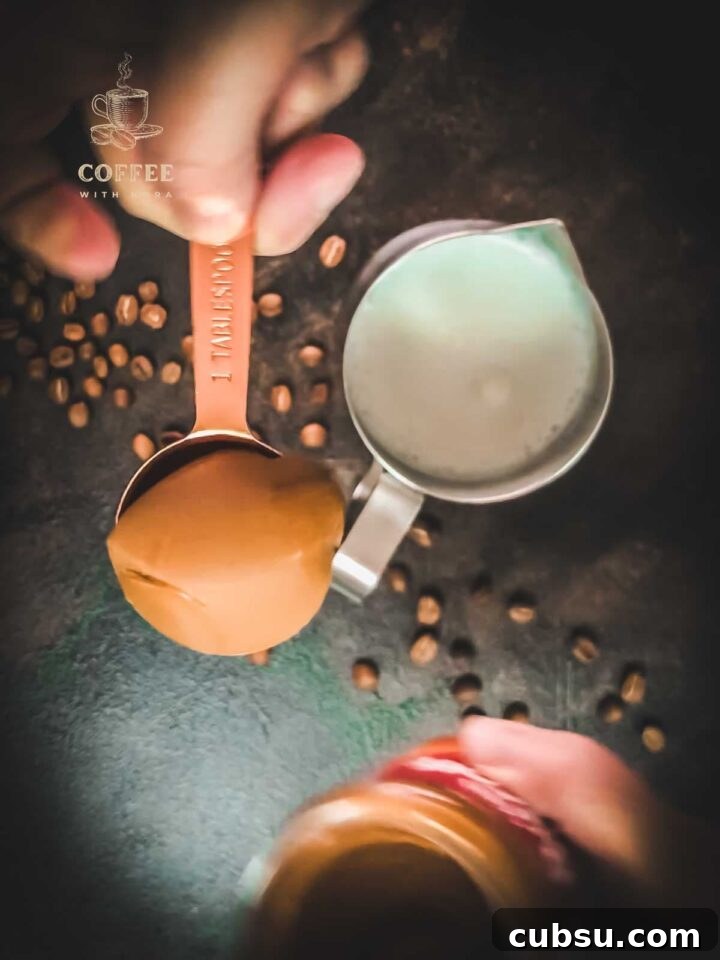
Step 2
Heat or steam ¾ cup of whole milk (or your preferred dairy-free alternative) until hot and lightly frothy. Stir 1 tablespoon of Biscoff spread into the milk until fully dissolved and smooth.

Step 3
Pour the Biscoff-infused milk over the espresso and stir gently to combine.

Step 4
Garnish with whipped cream and Biscoff crumbs if desired, and enjoy immediately.
💭 Barista tips
- Use fresh espresso. A recently pulled shot brings brightness and balance; a flat espresso will make the latte taste flat too.
- Heat milk to the right temperature. Aim for about 60–65°C (140–150°F). Overheating makes milk lose sweetness and changes the mouthfeel.
- Mix the Biscoff into the milk first. Dissolving the spread in the milk ensures even sweetness and a silky texture rather than a sugary layer at the bottom.
- Pick milk to suit your taste. Whole milk gives the richest body; barista-style oat milk enhances caramel notes and foams better among plant milks.
- Fix strength before cutting sweetness. If the drink is too sweet, try a double espresso or slightly less milk rather than reducing the Biscoff right away.
- Serve right away. This latte is best hot and fresh—sweetness becomes more pronounced as it cools.
Small adjustments make a big difference and help turn a simple treat into a well-balanced coffee moment.
Other Recipes for You to Try
- Homemade Biscoff Creamer
- Biscoff Latte with Homemade Biscoff Creamer
- No Bake Biscoff Cheesecake
- Easy Biscoff Granola Recipe
- Biscoff Truffles without Cream Cheese
- No-bake Lotus Biscoff Cake Pops
- Can I use Coffee Creamer Instead of Milk?
- Lavender Coffee Creamer
- Christmas Coffee Creamer
- Pumpkin Coffee Creamer
- Salted Caramel Coffee Creamer
- Can you Whip Coffee Creamer?
- Christmas Coffee with Homemade Christmas Creamer
- How to Sweeten Cold Brew Coffee
- How to Make Homemade Creamer
- Salted Caramel Coffee {three ways}
- Pumpkin Cream Cold Brew
- Lavender Cold Brew Tonic
- Lavender Latte
- Iced Lavender Latte
- Honey Lavender Oat Milk Latte
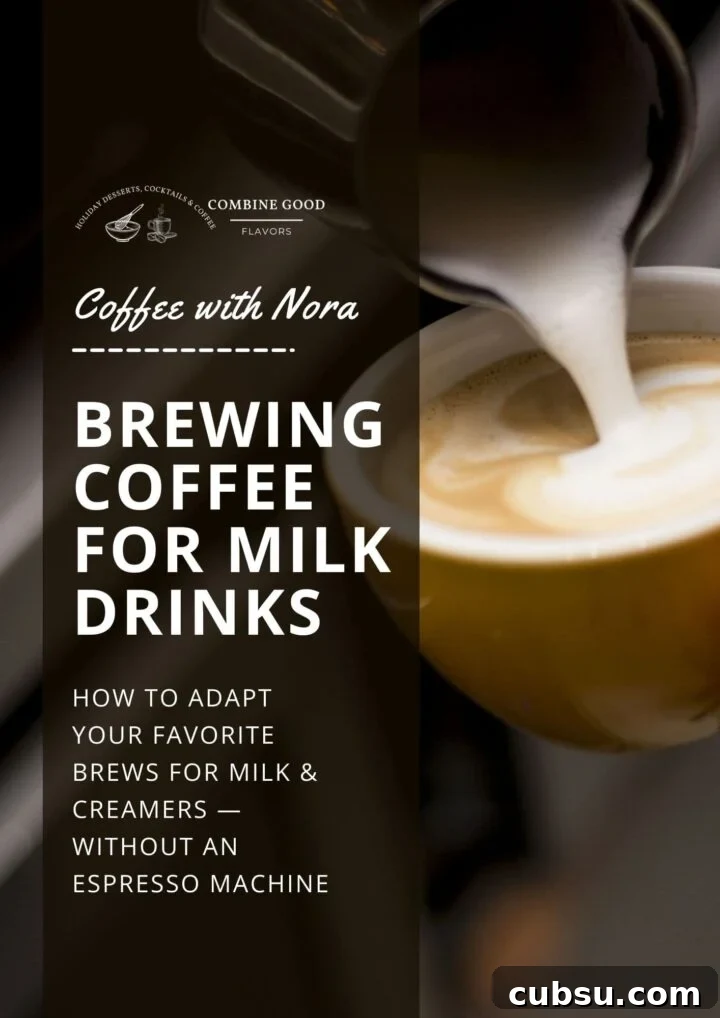
now available!
My new workbook is here!
Brewing Coffee for Milk Drinks
How to adapt your favorite brews for milk & creamers — without an espresso machine
If you try this recipe, please leave a star rating and a comment to share how it turned out. You can also sign up for the newsletter or share your photos on social media—tag @combinegoodflavors and use #combinegoodflavors so your creation doesn’t get missed.
Biscoff Latte

Equipment
-
Espresso machine, moka pot, or espresso maker
-
Milk frother or small saucepan
-
Heatproof mug
-
Spoon
Ingredients
- 1-2 oz espresso
- ¾ cup milk
- 1 tablespoon Biscoff spread
- Biscoff crumbs and/or whipped cream optional
Instructions
-
Brew 1–2 oz espresso and pour it into a heatproof mug.
-
Heat or steam ¾ cup milk until hot and lightly frothy.
-
Stir 1 tablespoon Biscoff spread into the hot milk until fully melted and smooth.
-
Pour the Biscoff milk over the espresso and stir gently.
-
Garnish with Biscoff crumbs and/or whipped cream if desired. Serve immediately.
Notes
Whole milk creates the creamiest texture; barista-style oat milk works well for a dairy-free version.
Stir the Biscoff into the milk, not the espresso, for the smoothest result.
Nutrition
⛑️ Food Safety
- Cook to a minimum temperature of 165 °F (74 °C) when preparing cooked foods as a general safety guideline.
- Avoid using the same utensils on cooked food that touched raw meat.
- Wash hands thoroughly after handling raw meat.
- Do not leave perishable food out at room temperature for extended periods.
- Never leave cooking food unattended.
- Use oils with a high smoke point to reduce the risk of harmful compounds.
- Ensure good ventilation when using a gas stove.
For more detailed guidance, consult your local food safety resources.