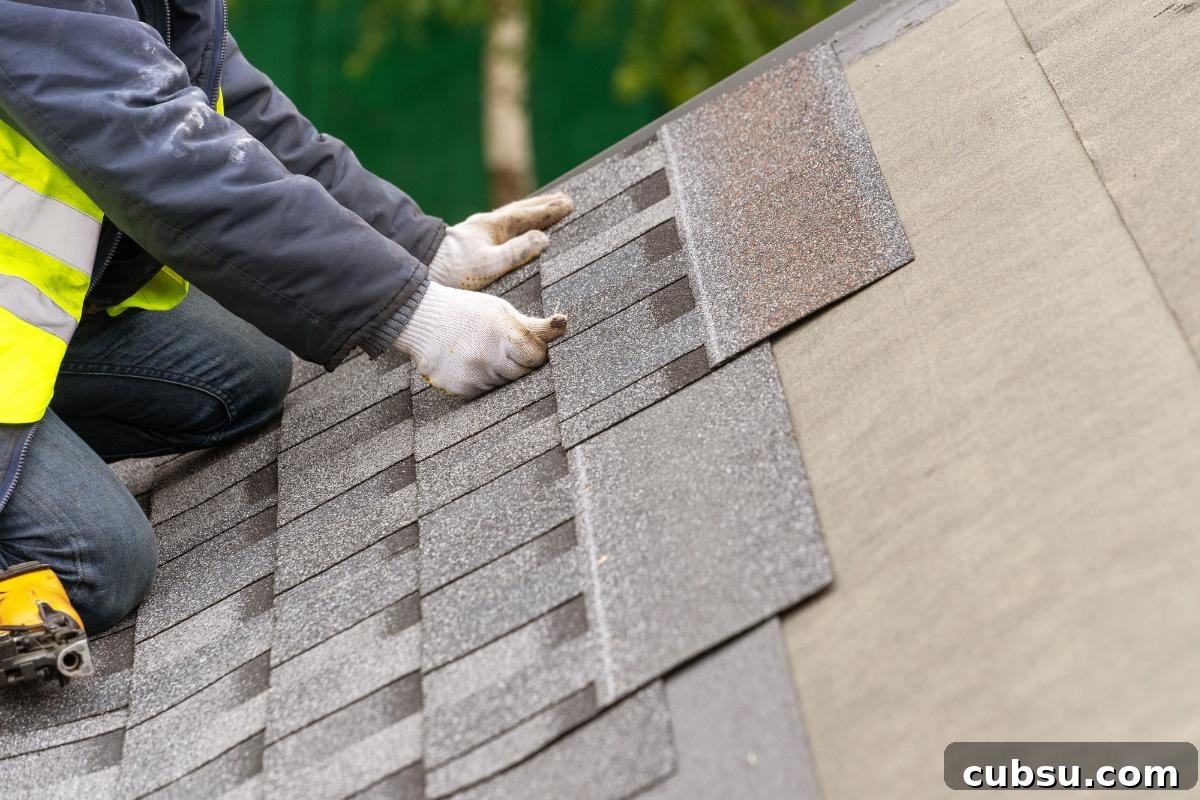
A sound roof protects your home from weather, pests, and water damage. Catching problems early can save you time and money, but many homeowners aren’t sure when to call a professional. Below are seven clear warning signs that it’s time to contact a roofing contractor. Read on to learn what to watch for and why prompt action matters.
Deteriorating Shingles
Degraded shingles are often the first visible sign of trouble. Over time or after severe weather, shingles can curl, crack, or come loose. Missing or damaged shingles leave the roof deck exposed, increasing the risk of leaks and interior water damage. Inspect your roof after storms and if you notice several compromised shingles, schedule a professional assessment. A qualified roofer can determine whether repairs are sufficient or a larger replacement is needed.
Granules in Gutters
While cleaning gutters, check for granules that have washed off asphalt shingles. Granule loss is a clear indicator of aging shingles and reduced protection. When shingles lose significant granules, their lifespan and ability to shed water decline. If your gutters contain large amounts of granules, have a contractor inspect the roof to recommend repair or replacement options tailored to your situation.
Mold and Mildew Growth
Mold and mildew on the roof or in the attic are signs of excess moisture and possible ventilation problems. These growths can accelerate material decay and eventually lead to leaks and structural damage. Addressing mold promptly protects both the roof and indoor air quality. A roofing professional can identify the moisture source—whether from damaged shingles, flashing, or poor ventilation—and suggest corrective measures.
Current Age of the Roof
Roof lifespan depends on materials and installation. Asphalt shingles typically last around twenty years, while metal roofs can endure much longer. If your roof is nearing its expected service life, schedule a proactive inspection even if no obvious damage exists. Early evaluation helps you budget for replacement when necessary and allows contractors to spot small issues before they become costly problems.
Water Stains on Ceilings
Water stains on ceilings or walls are a common sign of a roof leak. Left unattended, leaks can grow, lead to structural damage, and encourage mold. Check the attic for moisture, damp insulation, or dripping water to help pinpoint the source. If you suspect the roof is the cause, contact a roofer promptly to locate and repair the breach and prevent further interior damage.
High Energy Bills
Rising energy costs can sometimes be traced to a failing roof or inadequate insulation. Gaps, damaged underlayment, or compromised ventilation let conditioned air escape, forcing your HVAC system to work harder. If your energy bills jump without another clear cause, have a professional assess your roof’s insulation and overall condition. Repairs or improvements can restore efficiency and reduce utility expenses.
Visible Wear and Tear
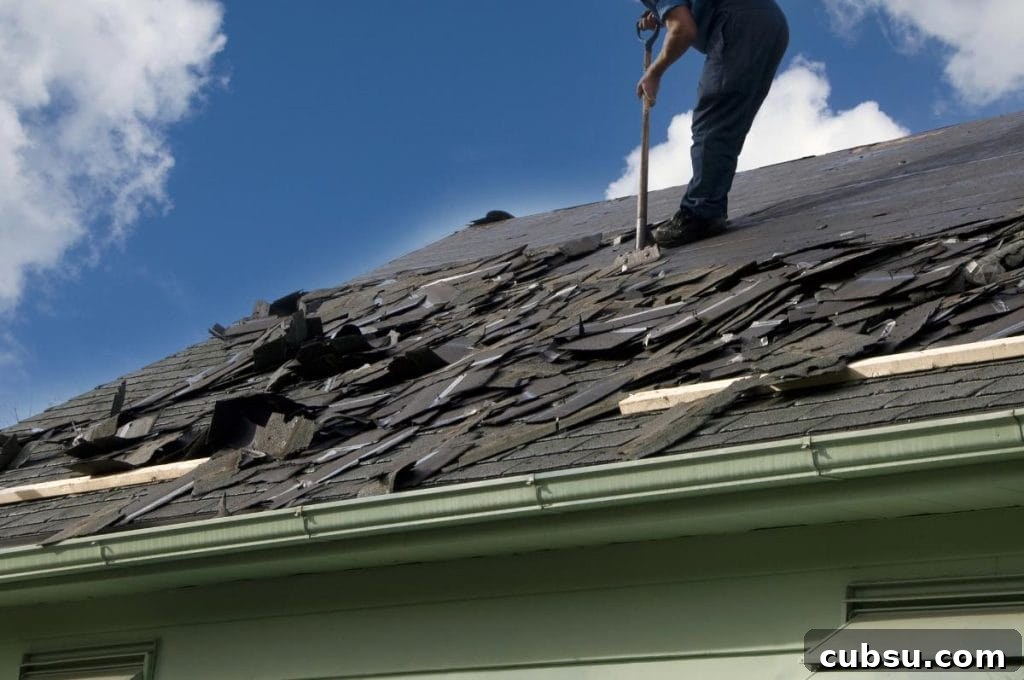
Regular visual checks can reveal issues beyond missing shingles. Look for sagging sections, rust on metal components, warped materials, or deteriorated flashing around chimneys and vents. These signs point to deeper structural or installation problems that deserve immediate professional evaluation. Experienced roofers can diagnose concealed damage and recommend timely repairs to prevent escalation.
Routine maintenance and timely inspections extend the life of your roof and protect your home. By recognizing these seven warning signs—deteriorating shingles, granules in gutters, mold and mildew, roof age, water stains, high energy bills, and visible wear—you’ll know when to call a professional. Stay vigilant and address roof problems early to avoid costly repairs and preserve your home’s integrity.