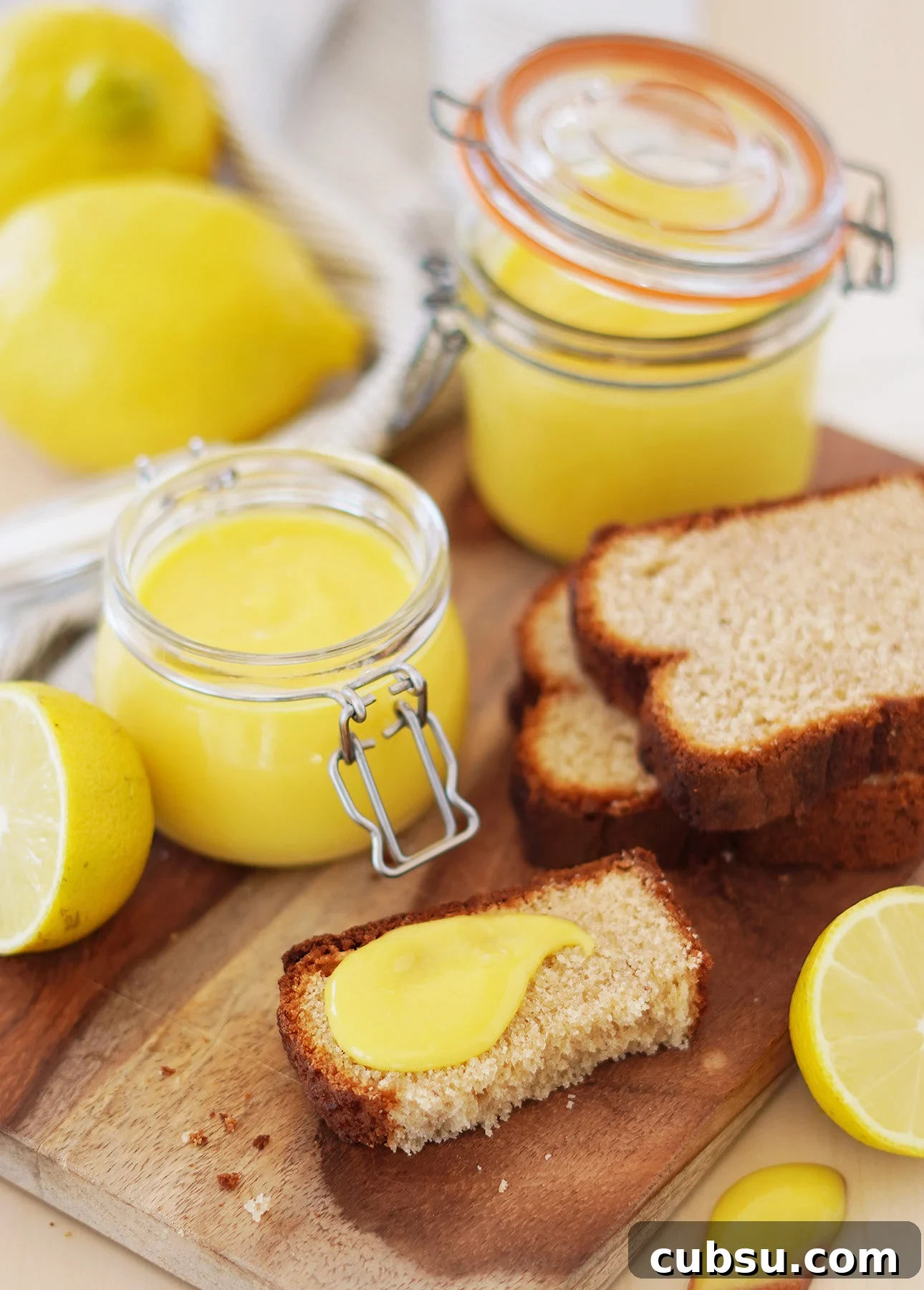
This no-butter lemon curd is lighter yet just as rich and puckery as the classic spread. Learn its origins, how to make it, and ways to enjoy it from breakfast through dessert.
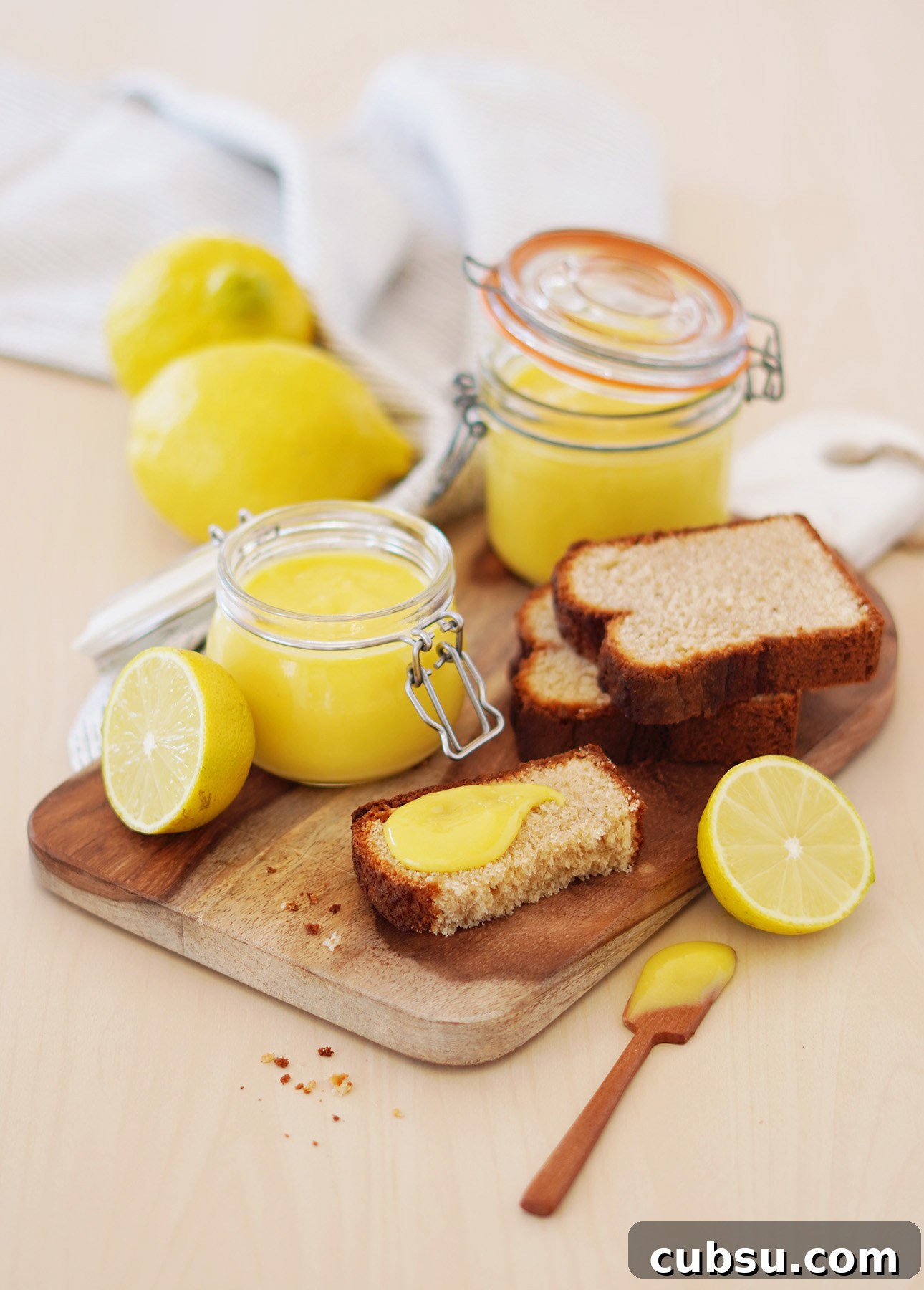
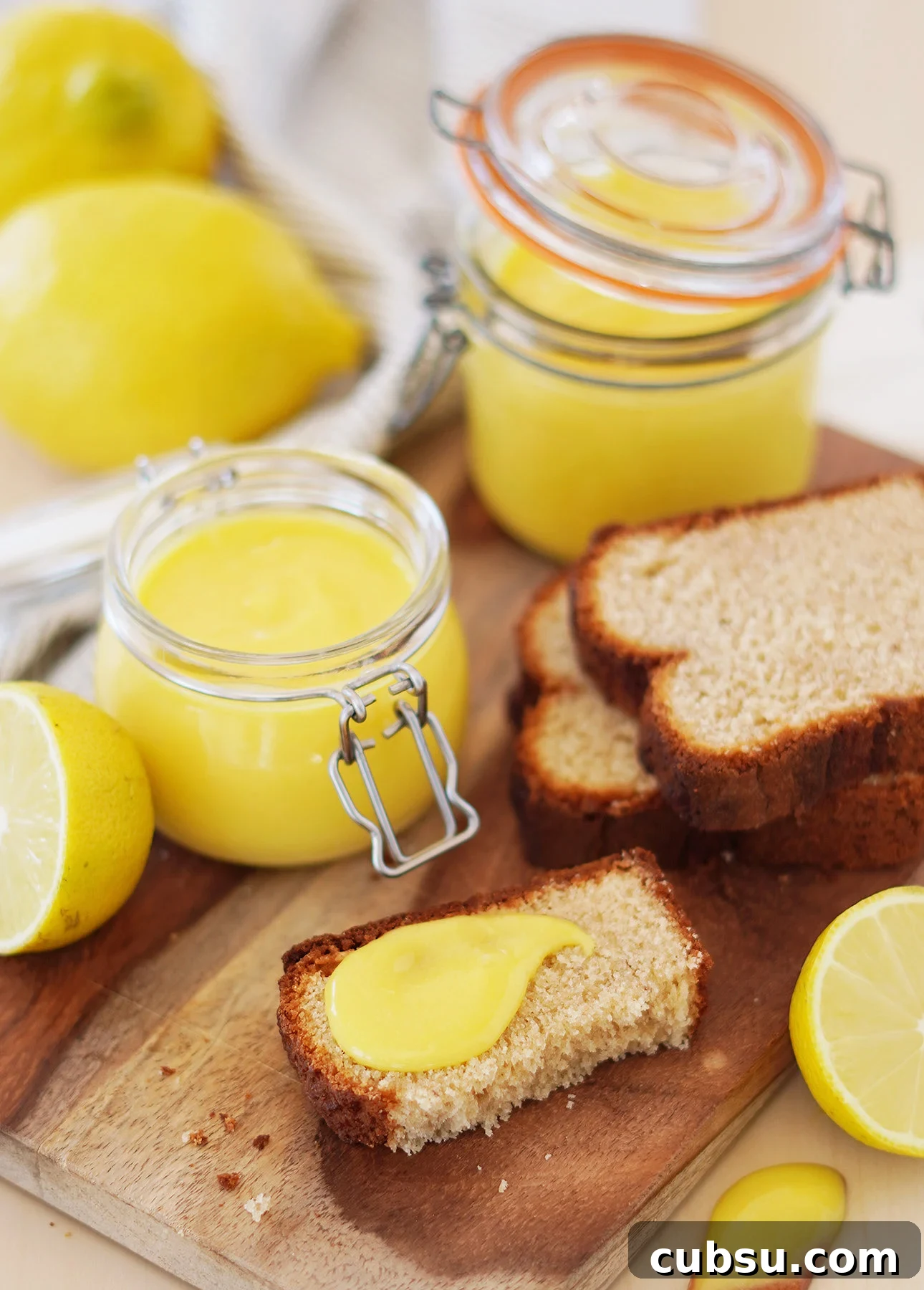
Lemon curd ranks among my favorite citrus condiments. Its bright yellow color, lively tartness, and velvet texture make it endlessly versatile — perfect on morning toast or as a dessert filling.
A brief history: Traditional lemon curd dates back to 19th-century England. It began as curds produced by adding acidic lemon juice to cream, then evolving into the smooth spread we know today made with egg yolks, butter, sugar, and lemon. It has long been a tea-time favorite served with scones, bread, and cakes and is also commonly used to fill tarts and pastries.
After years of making classic lemon curd I experimented to remove the butter — primarily for lactose sensitivity and to lighten the spread. I perfected a no-butter version that uses a small amount of cornstarch for silkiness and a touch of cream for richness. The result keeps the characteristic tang without the extra butterfat, and everyone who tried it loved it.
This no-butter lemon curd is now my go-to recipe. It stores well in the fridge and works beautifully for many applications, from morning pastries to layered cakes.
Why is lemon curd called a “curd”?
The original term referred to curds formed when acidic lemon juice was added to cream and the solids were separated from the whey. Over time, butter, eggs, and sugar replaced the cream and transformed the preparation into a custard-like spread. Modern lemon curd is essentially a lemon-flavored custard: lemon juice and sugar thickened by eggs (and in this recipe, a bit of cornstarch for stability).
What ingredients make traditional lemon curd?
Classic lemon curd relies on butter for a silky mouthfeel alongside eggs, sugar, and lemon juice. In this no-butter version, cornstarch provides body while a small amount of heavy cream adds richness, eliminating the need for butter while preserving a velvety texture.
Can you add more sugar to lemon curd?
Lemon curd should balance tartness and sweetness. If your lemons are especially acidic or you prefer a milder flavor, you can add up to 2 tablespoons (about 24 g) of additional granulated sugar. Alternatively, use naturally sweeter fruit: Meyer lemons, or substitute part of the lemon juice with orange, mandarin, or clementine juice to reduce acidity without adding refined sugar.
How long does no-butter lemon curd keep?
Store the curd in an airtight jar in the refrigerator for up to 5 days.
Can I freeze no-butter lemon curd?
This curd is stabilized with cornstarch and behaves like a pastry cream. Freezing and thawing will ruin its smooth texture, causing separation and a grainy mouthfeel. Do not freeze this curd if you want to preserve the silky consistency.
Can other citrus fruits be used?
Yes — any citrus can make a delightful curd. Clementines and mandarins produce aromatic, sweeter curds; oranges yield a milder, sweeter spread; limes or grapefruit give sharper tartness. You can also blend fruits, for example lemons with clementines. When swapping fruits, adjust the sugar to taste and follow the juice volume requirement outlined below.
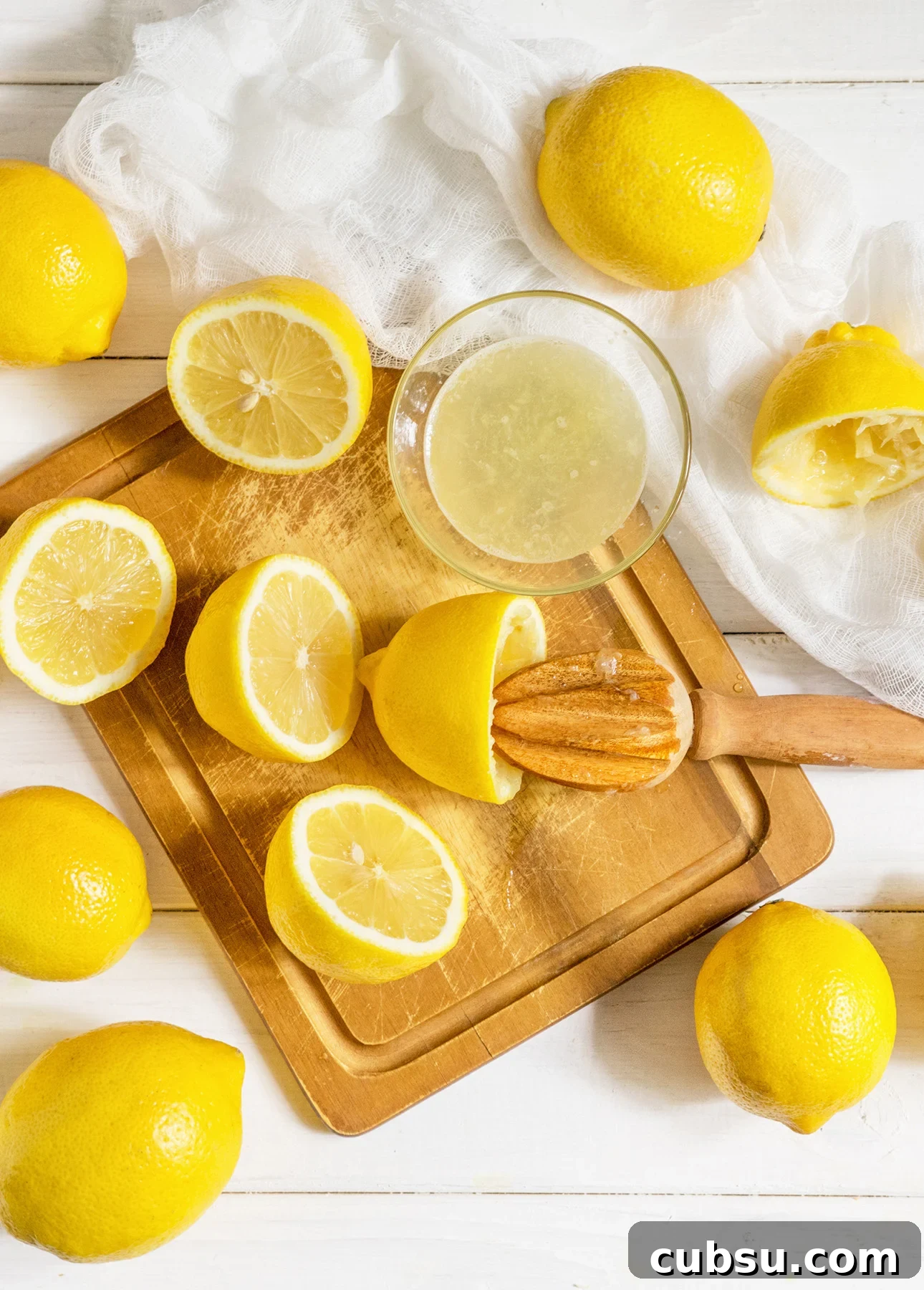
Approximate citrus juice to sugar ratios
For consistent results, the recipe requires 3/4 cup (180 ml) strained juice. Because fruit juiciness varies, use the number of fruits below as a guideline and ensure you reach the total 3/4 cup of juice. Adjust sugar based on the fruit’s natural sweetness:
- 1 grapefruit, 4 lemons, 6 limes, or 18–24 key limes: use 1/2 cup (100 g) granulated sugar
- 6 Meyer lemons: use 1/3 cup (70 g) granulated sugar
- 3 oranges (blood, Cara Cara, or Navel), or 8 mandarins/clementines: use 1/4 cup (50 g) granulated sugar
- 1/2 cup (125 ml) bottled yuzu juice: use 1/2 cup (100 g) granulated sugar
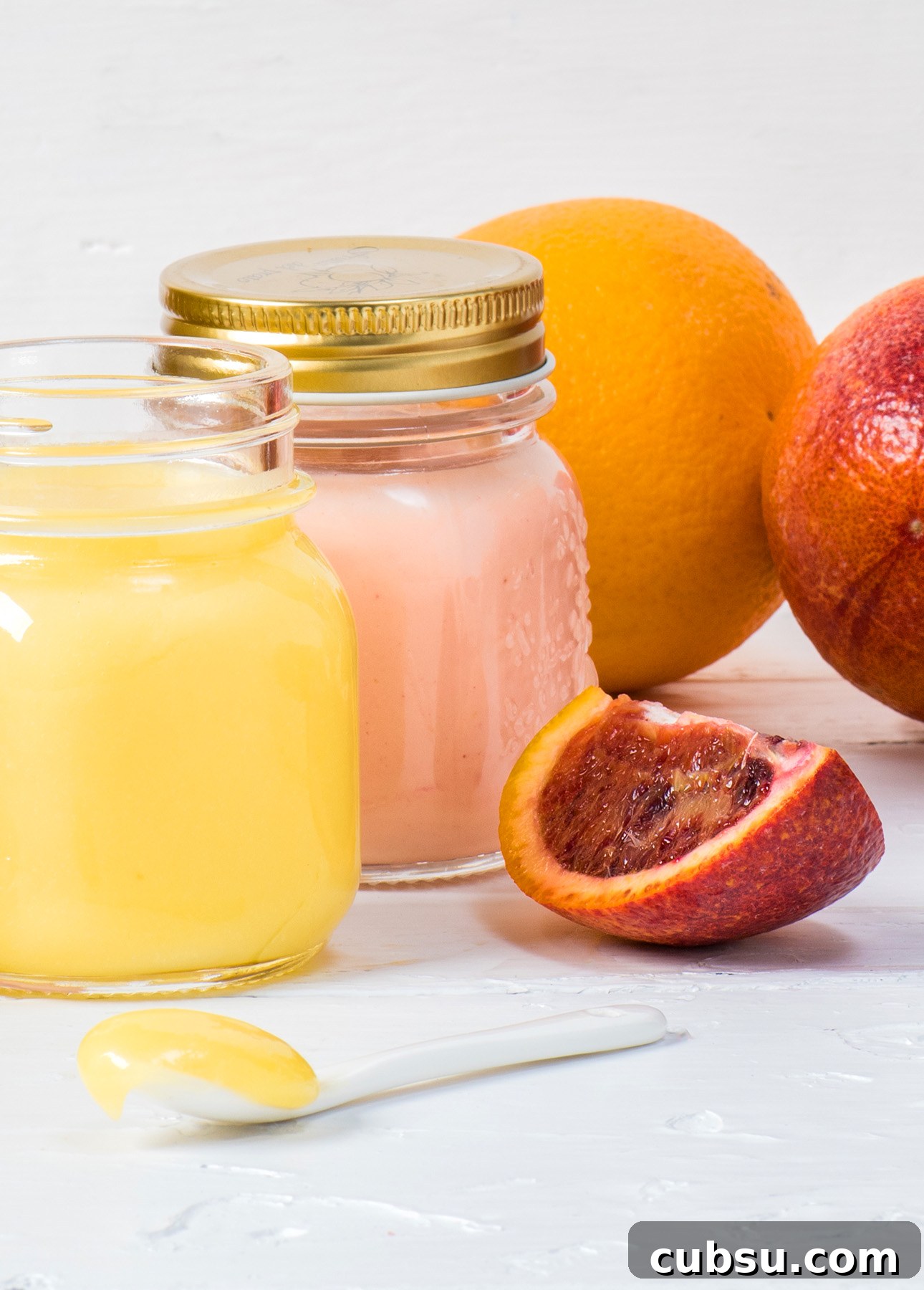
Ways to use and serve lemon curd
- As a spread: over scones, toast, croissants, muffins, or bread
- As a topping: for pancakes, waffles, crêpes, quick breads, or angel food cake
- As a filling: in cupcakes, layered cakes, tarts, tartlets, cream puffs, éclairs, and thumbprint cookies
- As a garnish: for gelato, ice cream, yogurt, or granola
You can also enjoy the curd straight from the jar by the spoonful. Its versatility makes it a dependable and delightful pantry staple.
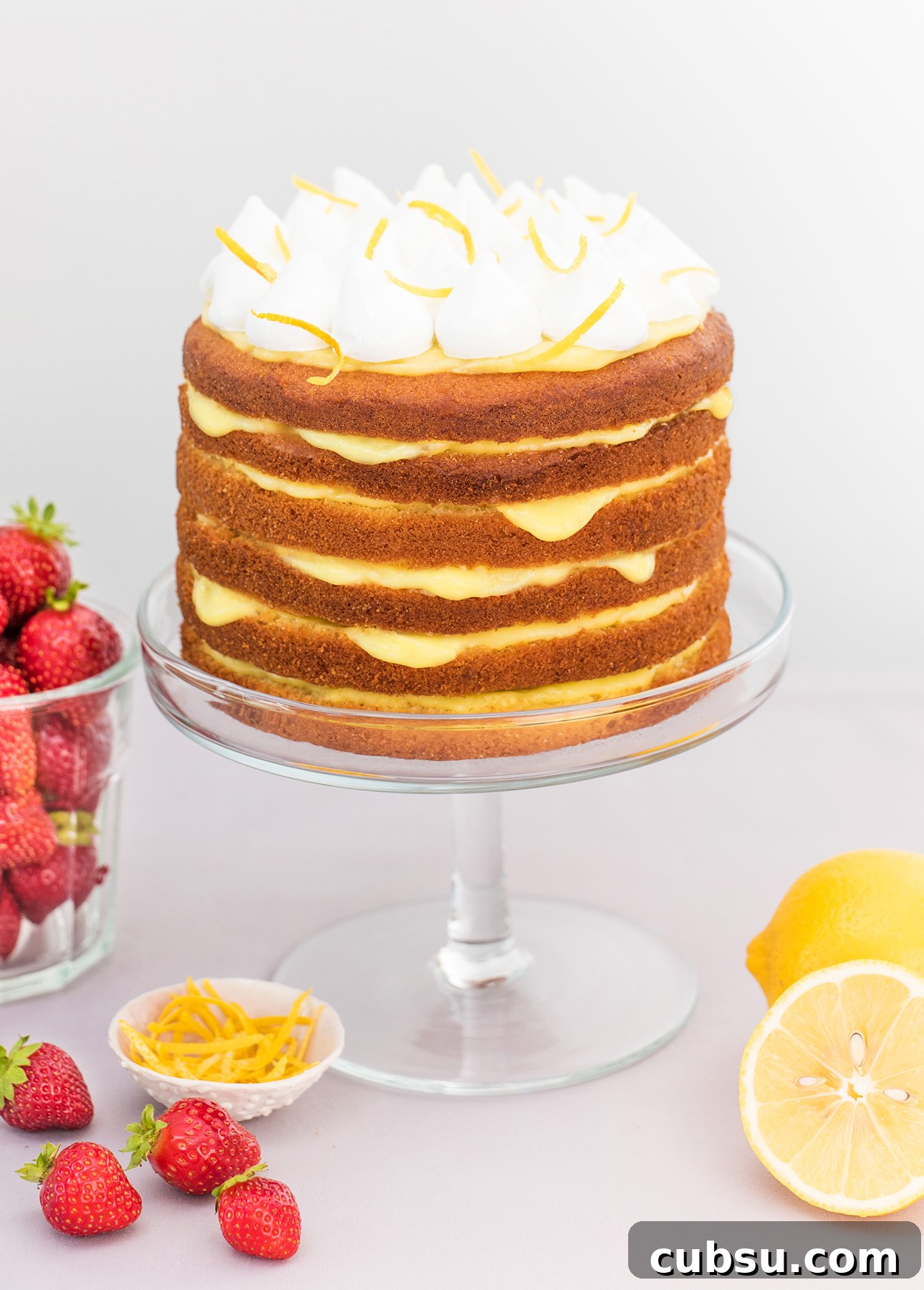
No-Butter Lemon Curd — Ingredients
- 1 tbsp cornstarch
- 1 tbsp water
- 3/4 cup freshly squeezed lemon juice (about 4 lemons)
- 1/2 cup granulated sugar
- 2 large eggs
- 1/3 cup heavy cream (35% m.f.; see dairy-free note below)
Instructions
- In a small bowl, dissolve the cornstarch in the water and set aside.
- In a saucepan set over medium heat, whisk the lemon juice and sugar until the sugar dissolves; the mixture does not need to boil. Remove from heat and let cool until warm.
- Whisk the eggs in a small bowl, then gradually pour them into the warm lemon-sugar mixture while whisking constantly to combine.
- Return the saucepan to medium heat. Add the cornstarch slurry and whisk continuously until the mixture thickens to a custard-like or soft-pudding consistency. Keep whisking to prevent sticking and burning.
- Remove from heat and whisk in the heavy cream. If desired, a tiny drop of yellow food coloring can enhance color, but it’s optional.
- Transfer the curd into an airtight jar and refrigerate until fully chilled. The curd will keep up to 5 days.
To make it lactose-free or dairy-free: substitute lactose-free heavy cream or a suitable plant-based cream (for example soy or other high-fat plant creams) for the heavy cream.
This page contains affiliate links. If you click an affiliate link and make a purchase, the site may earn a commission at no extra cost to you. Thank you for supporting the creator.