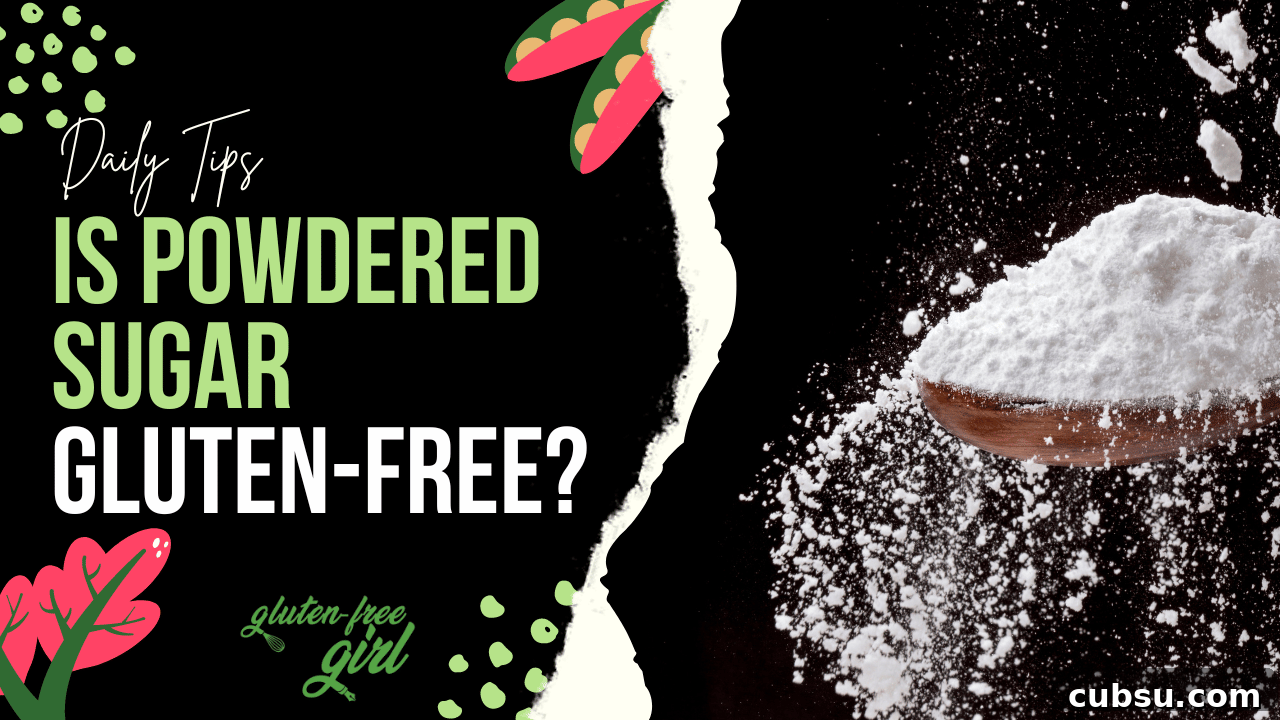
Yes, powdered sugar is gluten-free. Powdered sugar is typically gluten-free because it is simply finely ground granulated sugar, which is derived from sugarcane or sugar beets rather than gluten-containing grains such as wheat, barley, or rye. Pure sugar contains no gluten proteins, and the basic process of making powdered sugar does not introduce gluten. Still, it’s important to be aware of added ingredients or processing practices that could introduce gluten.
For people with celiac disease or non-celiac gluten sensitivity, confirming that powdered sugar is safe matters. Celiac disease is an autoimmune condition in which ingesting gluten damages the small intestine. Following a strict gluten-free diet is the primary treatment, so access to safe ingredients, including powdered sugar, helps maintain variety in baking and desserts without health risks.
Powdered sugar is naturally suitable for most gluten-free diets. However, some packaged powdered sugars contain anti-caking agents or starches that may come from sources other than corn or tapioca. Cross-contamination during processing is another potential concern if equipment handles both gluten-containing and gluten-free products. For those reasons, checking labels and choosing products labeled gluten-free or made by brands with reliable gluten-free practices is recommended.
Can a Person with Celiac Eat Powdered Sugar?
Yes. A person with celiac disease can usually eat powdered sugar, provided the product is free from gluten-containing additives and has not been cross-contaminated. Powdered sugar is commonly used in gluten-free recipes for frostings, icings, and baked goods. Still, always read labels for gluten-free certification or ingredient details, especially for packaged or flavored varieties. When preparing food for someone with celiac disease, verify every ingredient in the recipe, not just the powdered sugar, to ensure the entire dish is gluten-free.
Gluten is a protein found in wheat, barley, and rye that can trigger inflammation and intestinal damage in people with celiac disease. Because powdered sugar is made from sugarcane or sugar beets and is not a grain product, its base ingredient does not contain gluten. The risk comes from additives or shared processing equipment rather than the sugar itself.
What Gluten-Free Recipes Can You Cook with Powdered Sugar?
Powdered sugar is a versatile ingredient in gluten-free baking and desserts. Examples include:
- Powdered Sugar Gluten-Free Doughnuts: A dusting of powdered sugar is a classic finish for baked or fried gluten-free doughnuts.
- Gluten-Free Snowball Cookies: Also called Russian tea cakes, these are traditionally rolled in powdered sugar—often twice—to create a snowy coating.
- Gluten-Free Chocolate Crinkle Cookies: Rolling cookie dough in powdered sugar before baking produces the distinctive cracked appearance.
- Gluten-Free Vanilla or Powdered Sugar Donuts: Simple vanilla donuts topped with powdered sugar are an easy treat.
- Lemon Butter Bars: A dusting of powdered sugar on lemon bars balances tartness and adds an attractive finish.
- One-Minute Powdered Sugar Icing: Mix powdered sugar with a little milk or water and vanilla to make a quick glaze suitable for many gluten-free baked goods.
How Is Powdered Sugar Gluten-Free?
Powdered sugar remains gluten-free because it is made by grinding granulated sugar into a fine powder. The basic ingredient—sugar from cane or beets—does not contain gluten. In most cases no gluten-containing additives are necessary. Where gluten concerns arise is with anti-caking agents, starches, or flavorings that could be added, or from cross-contamination in shared manufacturing facilities. For this reason, consumers with strict gluten-free needs should look for products labeled gluten-free or check the ingredient list for sources of starch.
Is Powdered Sugar the Same as Confectioners’ Sugar?
The terms are often used interchangeably, but confectioners’ sugar typically contains a small amount of starch (commonly cornstarch) to prevent clumping. Powdered sugar can refer simply to ground sugar with or without added anti-caking agents. Both serve the same culinary purposes, but confectioners’ sugar usually includes that added starch. When choosing a product, check the label if you need a specific ingredient profile or certification.
Is Boiled Icing Gluten-Free?
Boiled icing (also called Swiss meringue-style icings in some recipes) is generally gluten-free because its core ingredients—sugar, egg whites, water, and cream of tartar—are naturally gluten-free. However, added flavorings, extracts, or stabilizers could introduce gluten, so verify those components. As with powdered sugar, careful reading of labels and attention to cross-contamination in the kitchen are key for people with celiac disease or gluten sensitivity.
How Do You Keep Powdered Sugar Dishes Gluten-Free?
To maintain gluten-free status when using powdered sugar:
- Read labels: Choose powdered sugar labeled gluten-free or verify ingredient lists for potentially problematic additives.
- Pick certified brands: Use suppliers that follow strict gluten-free manufacturing practices.
- Prevent cross-contamination: Use separate utensils, measuring tools, and equipment for gluten-free cooking, or clean shared tools thoroughly between uses.
- Use gluten-free flours: Ensure all other recipe ingredients are gluten-free, substituting gluten-free flour blends or almond/coconut flours as needed.
- Make your own: Grind granulated sugar at home in a clean blender or food processor to retain control over ingredients and avoid additives.
- Store properly: Keep powdered sugar in an airtight container away from gluten-containing flours and ingredients.
- Communicate: Inform anyone preparing food about the gluten-free requirement to reduce mistakes in shared kitchens.
Does Caramel Have Gluten?
Pure caramel made from sugar, water, cream, butter, and vanilla is gluten-free. Problems can arise when flavorings, thickeners, or additives that contain gluten are added in commercial products. Always check labels and select caramel labeled gluten-free if buying packaged items. Avoid adding gluten-containing thickeners or flours when making caramel-based desserts if you need them to remain safe for a gluten-free diet.
Are Powdered Sugar Beverages Gluten-Free?
Drinks that use powdered sugar are gluten-free if the powdered sugar itself and any added flavorings or mixes are free from gluten. Pure powdered sugar is gluten-free, but beverage mixes can include flavorings or thickeners that contain gluten. Read ingredient lists and choose brands that certify their mixes as gluten-free when necessary.
How Can Powdered Sugar Contain Gluten?
Powdered sugar can contain or be contaminated with gluten in a few ways:
- Added ingredients: Some anti-caking agents or starches may be derived from gluten-containing sources.
- Cross-contamination: Processing on shared equipment that also handles wheat-based products can introduce trace gluten.
- Flavored or mixed products: Powdered sugar blends that include flavorings, thickeners, or other additives may contain gluten.
How Can You Prevent Gluten Cross-Contamination in Dishes Using Powdered Sugar?
Prevent cross-contamination by selecting certified gluten-free powdered sugar, using dedicated utensils and bakeware, washing and sanitizing surfaces thoroughly, and storing gluten-free ingredients separately from gluten-containing items. Be mindful when sifting or measuring if the same tools have been used with wheat flour or other gluten-containing ingredients. Proper cleaning and designated equipment significantly reduce the risk of accidental gluten exposure.
Are Powdered Sugar Desserts Gluten-Free?
Powdered sugar desserts can be gluten-free, but the final status depends on the other ingredients and how they were processed. Many manufacturers offer powdered sugar that is produced and packaged to minimize cross-contamination and some clearly label products as gluten-free. Always check labels and confirm that the full recipe (flours, fillings, toppings) is gluten-free before serving to someone with celiac disease or significant sensitivity.
Are Candies Made from Powdered Sugar Gluten-Free?
Candies made primarily from powdered sugar are often gluten-free, but packaged candies can include additional ingredients or be produced on shared lines that introduce gluten. Consumers should read labels carefully and prefer brands that state gluten-free certification if needed.
Are Cakes Made from Powdered Sugar Gluten-Free?
Cakes that use powdered sugar in their frosting or dusting can be gluten-free if the cake batter and all other ingredients are gluten-free and cross-contamination is avoided. Many gluten-free cake mixes and flour alternatives exist; pairing these with gluten-free powdered sugar and safe kitchen practices produces gluten-free cakes suitable for people with celiac disease.
Are All Powdered Sugar Food Products Gluten-Free?
No—while pure powdered sugar is usually gluten-free, not every powdered sugar product is. The presence of certain anti-caking agents, the source of added starches, flavored varieties, and manufacturing practices all influence whether a product is safe for a gluten-free diet. Check labels and choose products explicitly marked gluten-free if you require strict assurance.
Can You Make Gluten-Free Ice Cream Using Powdered Sugar?
Yes. Powdered sugar can be used in homemade gluten-free ice cream to add sweetness and improve texture. Ensure all other ingredients, such as flavorings and mix-ins, are gluten-free and avoid processed inclusions that may contain gluten.
Can You Bake Gluten-Free Brownies Using Powdered Sugar?
Yes. Powdered sugar can be used in gluten-free brownie recipes. Replace wheat flour with gluten-free all-purpose blends or alternative flours like almond or coconut flour, and ensure all ingredients and utensils are free from cross-contamination to keep the brownies safe for gluten-sensitive eaters.
Can You Create Gluten-Free Desserts with White Sugar?
Yes. Pure white sugar is gluten-free. It works well in a wide range of gluten-free desserts, from flourless cakes to cookies made with gluten-free flour blends. The key is selecting appropriate flour substitutes and checking all additional ingredients and flavorings for gluten content.
In summary, powdered sugar itself is generally gluten-free, but vigilance is required regarding additives, processing, and cross-contamination. Reading labels, choosing certified gluten-free products when necessary, and maintaining careful kitchen practices will help ensure powdered sugar and the desserts made with it remain safe for people following a gluten-free diet.