“Baking with gums?” you ask. “Why bake with gum?”
Good questions. I’m glad you asked.
You may have noticed ingredients called gums on labels and wondered what they do: is xanthan gum necessary in gluten-free baking? What is xanthan gum made of? Is it safe, and are there substitutes? What about guar gum — can it be used instead? And what does psyllium husk do in gluten-free recipes?
If you’re asking these same questions, you’ve come to the right place.
Gluten-Free Baking with Gums
Gluten-free bakers need to understand gums because they help replace gluten’s structure and elasticity. No single gluten-free flour replicates wheat flour alone, so blends are used to mimic the texture and binding properties of gluten. One of the hardest qualities to replace is the glue-like stickiness gluten provides; without a binding agent, many gluten-free bakes end up dry and crumbly. That’s where xanthan gum, guar gum and psyllium husk come in.
Xanthan Gum (zan-than)
Xanthan gum is a widely used food additive valued for its ability to hold oil and water together and to provide binding structure. You’ll often find it in ice cream, salad dressings, gravies and even toothpaste. It is a natural soluble fiber produced by fermenting the bacterium Xanthomonas campestris with sugar; the sugar source may be corn, soy, dairy or wheat. After processing, no residual proteins typically remain, but people with severe allergies should check the growing medium and decide accordingly.
Xanthan gum helps retain carbon dioxide bubbles during baking, which keeps gluten-free breads and cakes from collapsing when they cool. It also acts as a prebiotic soluble fiber that can support beneficial gut bacteria. In larger amounts it may increase intestinal fluid and stimulate bowel movement, which can soften stools and increase fullness by slowing sugar absorption.
Xanthan gum is concentrated and relatively expensive, but only a small amount is needed in baking—typically 0.05–0.35% of the dry mixture. Use it sparingly and according to recipe guidance.
Note: Some commercial gluten-free flours and mixes already contain the correct amount of xanthan gum. Do not add extra gum to those blends unless a recipe specifically instructs you to—too much gum makes baked goods gummy.
Guar Gum
Guar gum is a powder made from ground guar beans and adds viscosity and binding when used in baked goods. It can be effective in cakes and some quick breads, but it can also cause digestive sensitivity for some people and may create a feeling of fullness. Like xanthan gum, it should be used in appropriate small amounts; using too much results in an overly gummy texture.
If your all-purpose gluten-free flour does not already include a gum, follow recipe guidelines for how much to add. If the flour already contains gums, do not add more—more is not better here.
Psyllium Husk Powder
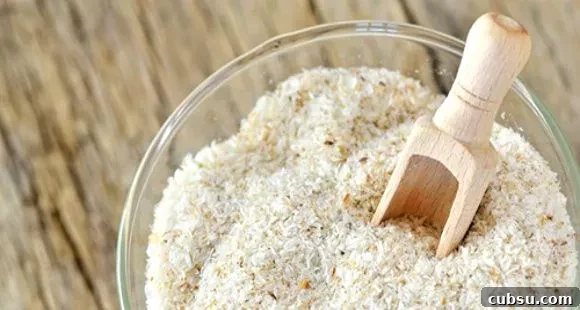
Psyllium husk is the fibrous outer shell of Plantago ovata seeds, ground into a powder that becomes gelatinous when mixed with liquid. In small amounts (often 2–4 tablespoons depending on the recipe), psyllium powder provides excellent binding and moisture retention. It’s commonly used in gluten-free yeast breads and pizza dough because it improves structure and chewiness, and it can also substitute for eggs in some vegan baking applications.
Buy psyllium as husk or powder; they are not interchangeable, so use the form a recipe specifies. As a rough substitution, you can often replace 1 teaspoon xanthan gum with up to 2 tablespoons psyllium powder in recipes that benefit from strong binding (especially yeast breads).
Psyllium works particularly well in yeast applications. For best results with specific recipes, follow tested formulas that incorporate psyllium.
Gelatin
Unflavored gelatin, made from animal collagen (bones, hooves and connective tissue), provides strong binding and can replace gluten in some recipes. Use the amount a baking recipe calls for and mix it with the dry ingredients. Gelatin is not vegetarian or vegan; do not substitute flavored gelatin mixes in baking.
Pectin
Pectin is a plant-based alternative to gelatin, extracted from fruit peels such as apples and citrus. It can stabilize and tenderize baked goods and is suitable for vegetarian and vegan diets. Pectin powder should be added with the dry ingredients when used in baking.
Agar Agar
Agar agar is a vegetarian gelling agent made from algae. It can substitute for gelatin in equal amounts and is effective at thickening, gelling and stabilizing a variety of foods. Agar comes in powder, flakes and bars; for baking add it with the dry ingredients. As a guideline, 1 tablespoon agar flakes or 1 teaspoon agar powder will thicken about 1 cup of liquid; for dry mixes, 1 teaspoon per 1–2 cups of dry ingredients is a common starting point.
Konjac Powder
Konjac (glucomannan) powder, derived from the konjac root, is a powerful thickener and water binder. It must be added slowly to liquids or mixed with dry ingredients to avoid clumping. Konjac absorbs a lot of water and can improve moisture and texture in gluten-free breads and pastries when used correctly.
Other useful binders and starches to consider include mung bean flour, pre-gelled potato flour, ground flaxseed or chia seed, and modified tapioca starch. Each has unique properties and works better in certain recipes.
Do you still have questions about baking with gums or a preferred gum or blend you use? Leave a comment below to share your experience or ask for help.