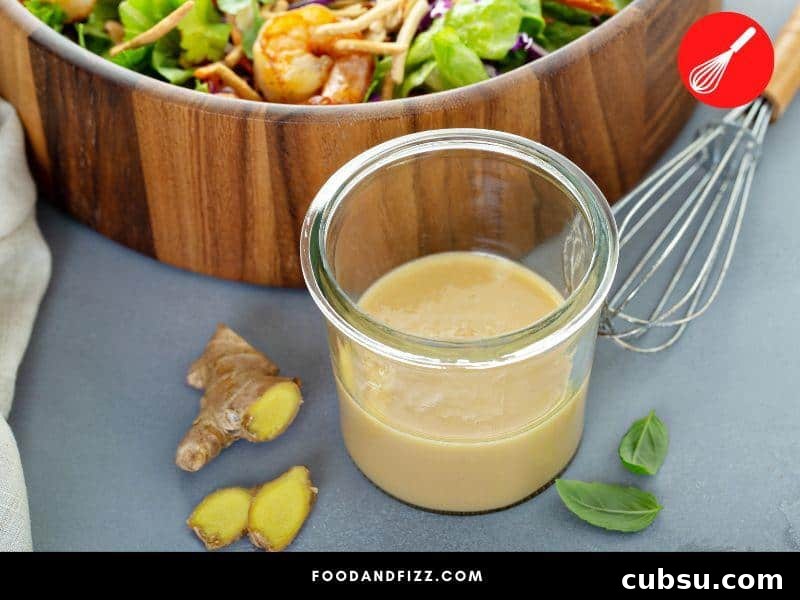
Is Salad Dressing A Heterogeneous Or Homogeneous Mixture? I enjoy a bowl of salad before a meal — it helps control portion sizes, keeps me feeling satisfied, and supports a healthy diet.
A fresh salad is a simple pleasure, but a well-made dressing elevates it into something special.
Salad dressing is essentially a sauce that enhances flavor and texture. Dressings can be homemade or store-bought and are composed of ingredients that complement one another.
In chemistry, mixtures are classified as either homogeneous or heterogeneous. A homogeneous mixture has a uniform composition throughout, while a heterogeneous mixture contains distinct, visibly different components.
Read on to learn which category salad dressing falls into and why.
Table of Contents
Is Salad Dressing a Heterogeneous or Homogeneous mixture?
Salad dressing is generally a heterogeneous mixture.
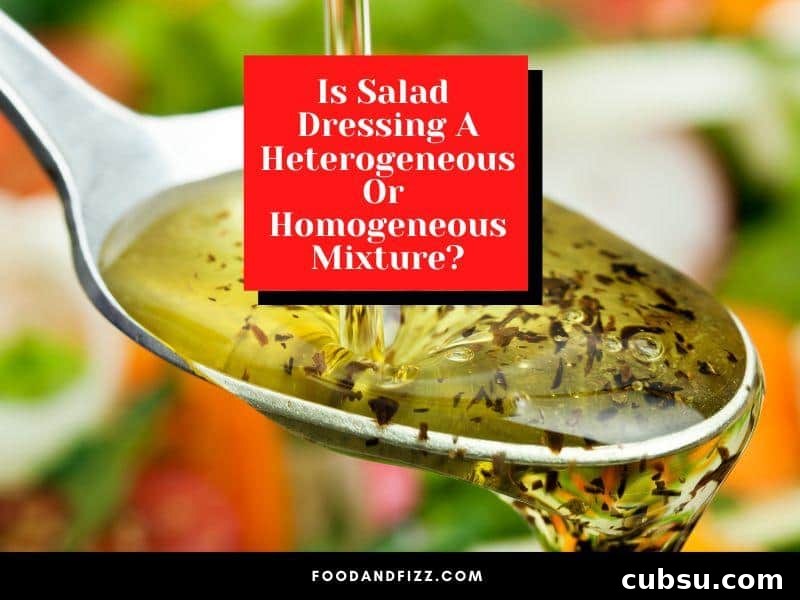
Many dressings contain ingredients that remain visually or physically distinct — oil droplets in vinegar, herbs and spices, or small bits of garlic and mustard. Those visible differences are what make most dressings heterogeneous.
Some Basic Types of Salad Dressings
Dressings come in several styles, but three common categories are vinaigrettes, boiled (cooked) dressings, and creamy dressings. Each has distinct ingredients and textures that influence whether the mixture looks uniform or not.
1. Vinaigrette
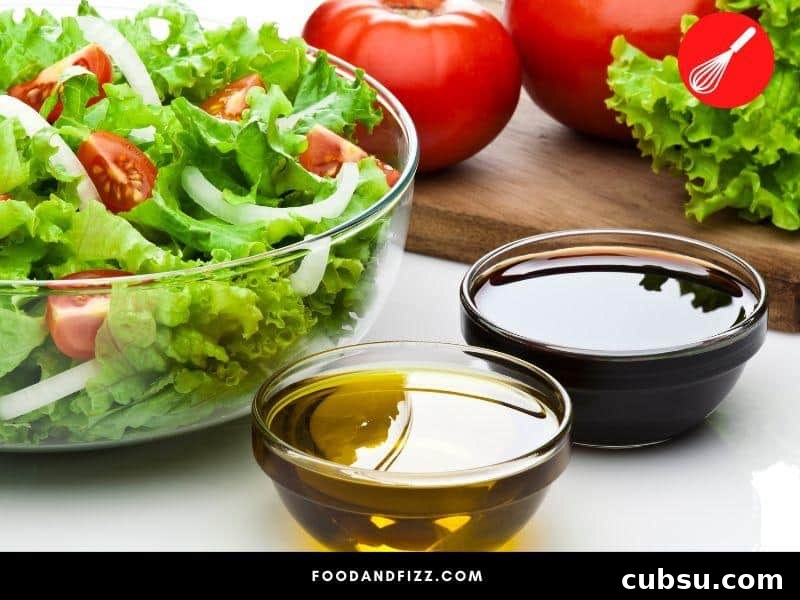
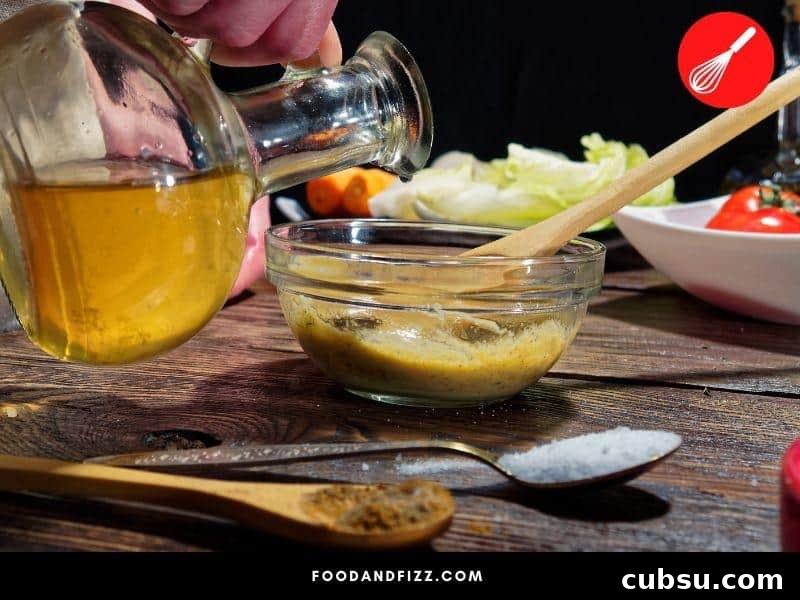
A vinaigrette is typically a blend of oil and an acidic ingredient such as vinegar or lemon juice. It often includes herbs, spices, pepper, and sometimes a touch of sugar to balance flavors.
Because oil and acid naturally separate unless emulsified, vinaigrettes are usually heterogeneous unless thoroughly emulsified with an ingredient like mustard or egg yolk.
2. Boiled Dressing
Boiled dressing, also called cooked dressing, dates back to the 19th century and was often used as an alternative to mayonnaise. It’s made by gently heating ingredients, with egg yolks providing a thick, rich, buttery texture. Mustard is a common addition.
3. Creamy Dressing
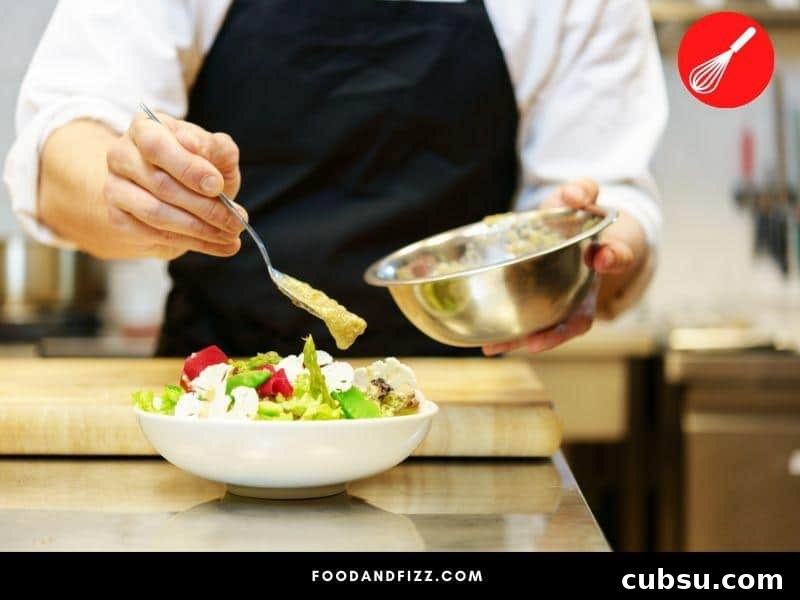
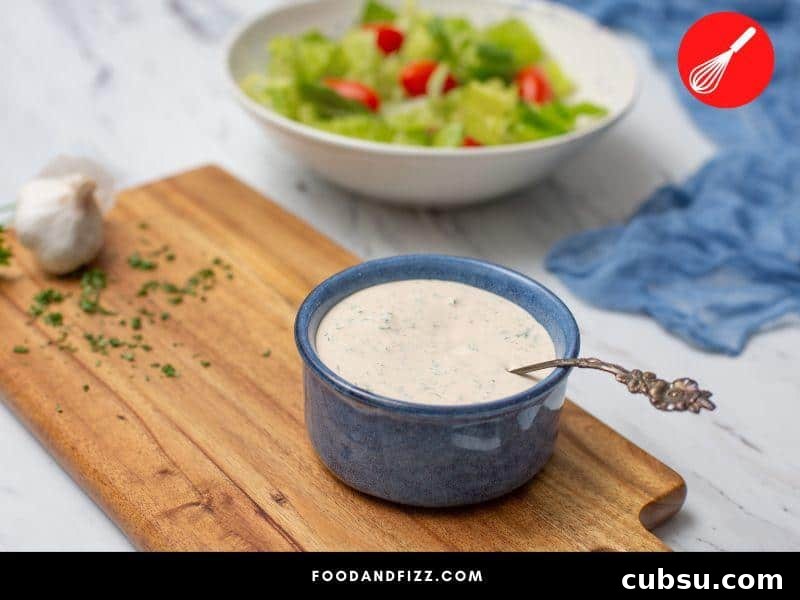
Creamy dressings are typically emulsions based on mayonnaise, yogurt, sour cream, or buttermilk. Ingredients often include mustard, yogurt or milk products, salt, pepper, and sometimes sugar. When well-emulsified, creamy dressings can appear homogeneous, though small bits of herbs or spices can still make them heterogeneous.
Home-made Salad Dressing or Store-Bought?
You can make salad dressing at home using countless recipes, or buy ready-made options. Homemade dressings give you control over ingredients, seasoning, and freshness. Store-bought dressings are convenient but often contain preservatives and additives to extend shelf life and maintain texture and appearance.
Many people prefer homemade dressings for flavor and ingredient transparency. If you value control over salt, sugar, and preservative levels, homemade is the better choice. Store-bought dressings can be enjoyed occasionally for convenience.
Difference Between Homemade and Store-Bought — Which One Would You Prefer?
The main differences are ingredient control and additives. Homemade dressings let you choose quality ingredients and adjust seasoning, while commercial dressings rely on stabilizers and preservatives to remain shelf-stable. Regular consumption of heavily processed foods may carry health risks, so many prefer homemade when possible. That said, store-bought options are fine in moderation.
Conclusion to Is Salad Dressing A Heterogeneous Or Homogeneous Mixture?
In short, most salad dressings are heterogeneous mixtures because their components remain distinguishable — oil droplets, herbs, and other particles. Some creamy dressings can be close to homogeneous when fully emulsified, but visible ingredients often keep them heterogeneous. Whether you make your dressing at home or buy it, choose what fits your taste and nutritional preferences.
Frequently Asked Questions About Is Salad Dressing A Heterogeneous Or Homogeneous Mixture?
How Can You Make the Salad Taste Better?
Experiment with herbs, spices, acids, and oils. Small adjustments—fresh lemon, a pinch of sugar, or a contrasting herb—can dramatically improve flavor.
Which Herbs Can Help With Both the Flavor and Health of the Salad?
Basil, parsley, chives, thyme, cilantro, mint, and dill add fresh flavor and nutritional benefits and work well in many dressings.