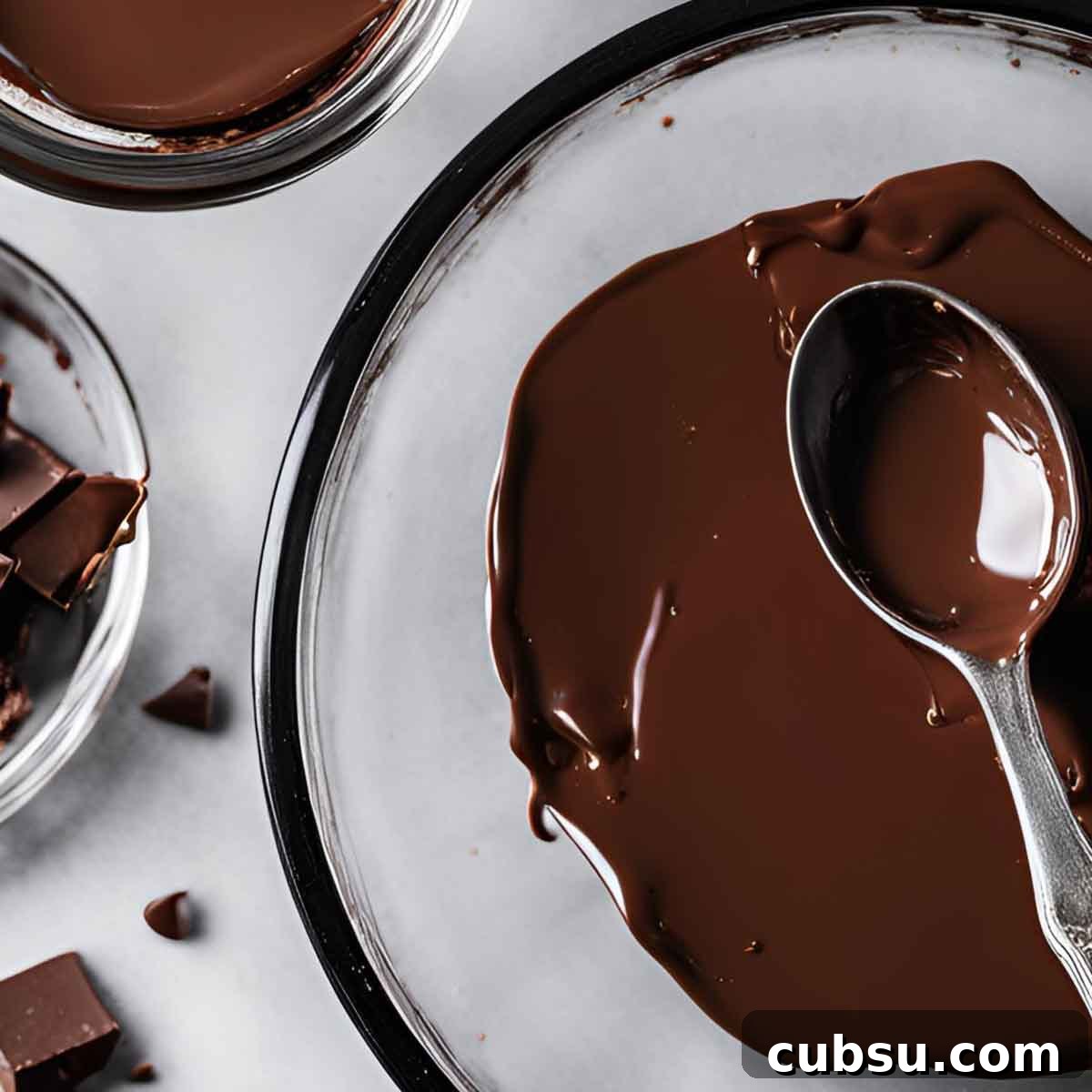
How to Melt Chocolate – Your Guide to Perfectly Smooth Chocolate: Chocolate conjures images of pure indulgence, but melted chocolate can turn grainy or clumpy without the right technique. This guide walks you through reliable methods and practical tips to achieve perfectly smooth, glossy melted chocolate every time.
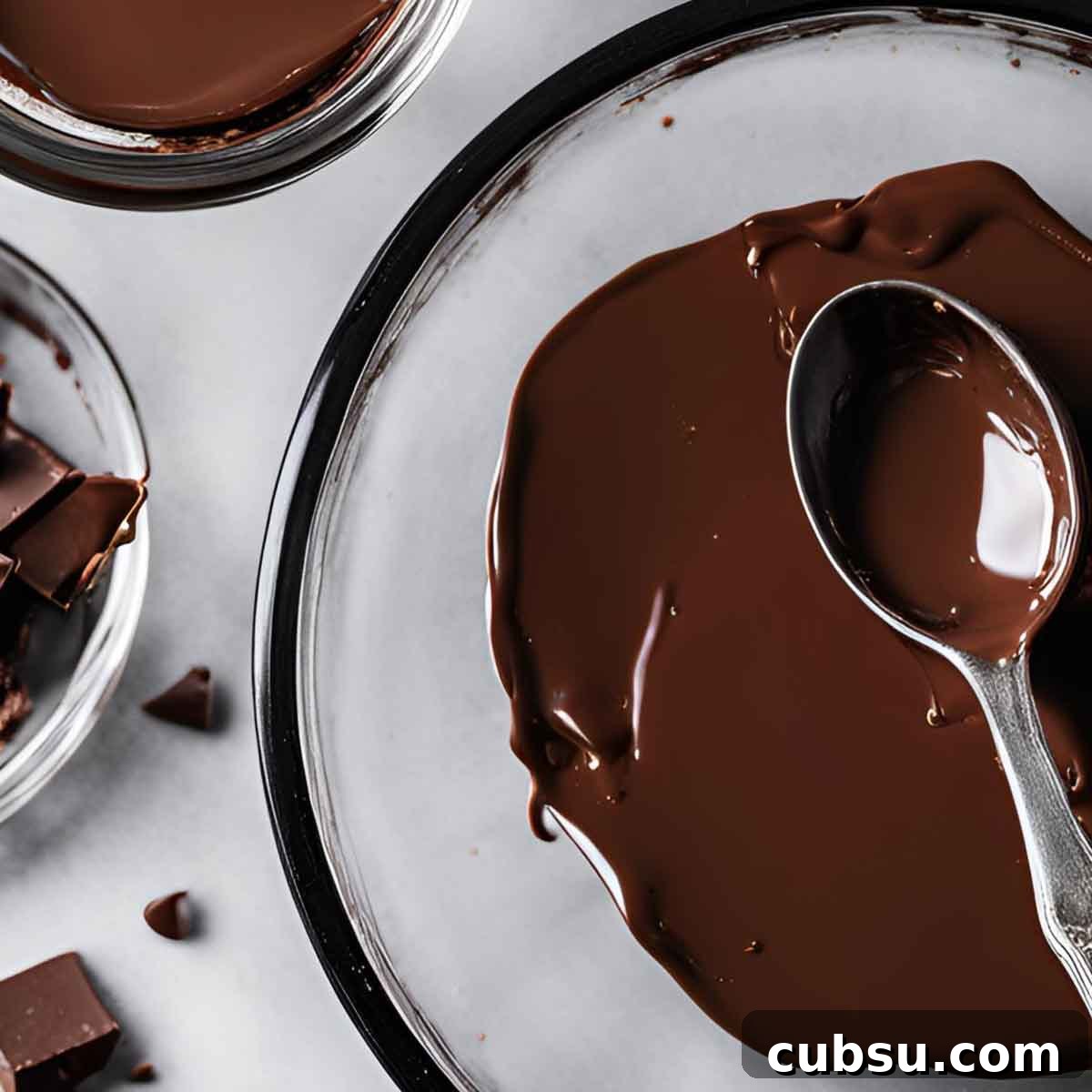
Below are three dependable methods for melting chocolate, plus advice on choosing chocolate, fixing common problems, and getting the right consistency for dipping, drizzling, and baking:
- The Gentle Touch: The Double Boiler Method – the safest, most controlled method, ideal for beginners and delicate applications.
- Speed Demon: The Microwave Method – the quickest option when you pay close attention and heat in short bursts.
- For the Daring: The Direct Heat Method – a faster stovetop approach suited to experienced cooks who can maintain very low heat.
Bonus: Practical tips on choosing the right chocolate, troubleshooting melting mishaps, and adjusting viscosity for different uses.
With a few simple techniques and some patience, you can turn melted chocolate from a frustration into a foundation for stunning desserts. Read on for detailed instructions and helpful tricks.
Selecting the Perfect Chocolate for Your Needs
Melted chocolate is the base for many treats, and the type you choose affects flavor and performance. The most important factor is cocoa butter content, which governs flow and mouthfeel:
- High cocoa butter (60% or more): Often labeled couverture; these chocolates melt smoothly and give a glossy, professional finish.
- Medium cocoa butter (30–50%): Semisweet and bittersweet bars can work well but may require extra care to avoid seizing.
- Low cocoa butter (under 30%): Most milk chocolates and inexpensive baking chocolates contain more milk solids and less cocoa butter, so they’re less reliable for glossy dips or coatings.
Bars vs. Chips: Chocolate bars generally offer better melting performance and more predictable texture because they contain higher cocoa butter and fewer stabilizers. Chocolate chips are convenient but often formulated to hold their shape, which can affect melting. Choose high-quality chips labeled for melting when available.
Candy bars and fillers: Avoid candy bars for melting—they often include waxes, fillers, or inclusions that produce a greasy or grainy melt.
Special considerations:
- White chocolate: Technically not true chocolate but melts well when it contains plenty of cocoa butter. Choose high-quality white chocolate for best results.
- Vegan chocolate: Many vegan varieties use alternative fats like coconut oil. They can melt successfully but may behave differently; test brands to find one that meets your needs.
In short: pick chocolate suited to your recipe, favor higher cocoa butter for dipping and coating, and reserve lower-cocoa-butter chocolates for recipes where melting performance is less critical.
Fixing Common Chocolate Melting Mistakes
Even experienced bakers run into problems. Here’s how to recognize and address common issues so you can salvage or avoid ruined batches:
Grainy or Seized Chocolate
Cause: Overheating or exposure to even a small amount of water. Cocoa butter separates from solids, creating a thick, grainy texture.
Fix: Severely seized chocolate is hard to restore, but mildly seized chocolate sometimes responds to small additions of fat. Stir in a teaspoon at a time of warm cream, milk, or unsalted butter until the texture improves. Tempering is another professional repair method but requires experience.
Uneven or Lumpy Melting
Cause: Low-quality chocolate or irregularly sized pieces.
Fix: Start with higher-quality chocolate and chop it into even, small pieces. If already melted and too stiff, add a teaspoon of neutral oil (vegetable or light olive) to improve flow.
Burnt Chocolate
Cause: Excessive direct heat or unattended melting.
Fix: Burnt chocolate tastes bitter and cannot be recovered. Discard and start over, this time using lower heat and constant stirring.
Prevention tips:
- Use higher-quality chocolate with adequate cocoa butter.
- Heat low and slow regardless of the method.
- Stir frequently and remove from heat just before fully melted; residual heat will finish the job.
- Consider a thermometer to monitor temperatures precisely for tempering or delicate applications.
Mastering Melted Chocolate for Dipping, Drizzling, and Baking
Different uses require different consistencies. Here’s how to adjust melted chocolate to suit the task:
Dipping
- Consistency: Smooth, pourable, and relatively thick so it coats evenly without running off.
- Chocolate: Aim for at least 60% cocoa butter (couverture or high-quality bar).
- Temperature: Target roughly 80–88°F (27–31°C). Remove from heat a little early and stir to finish melting.
- Adjustment: Thin with small amounts of warm vegetable oil or melted butter, a teaspoon at a time, until desired coatability is reached.
Drizzling
- Consistency: Slightly thinner than dipping chocolate; should flow from a spoon or piping bag but hold a drizzled pattern.
- Temperature: Aim for about 82–86°F (28–30°C).
- Adjustment: Add warm cream or milk by the teaspoon to reach a smooth, fluid drizzle.
Baking
- Consistency: Melted but not overly fluid; it should combine smoothly into batters and fillings.
- Chocolate: You have more flexibility; semisweet or baking chocolate can work depending on the recipe.
- Technique: The double boiler provides even heat and prevents scorching. Chop chocolate finely for even melting.
- Temperature: Many recipes work well with chocolate warmed to roughly 105–115°F (40–46°C), but follow your recipe’s guidance.
Practice will help you learn how small adjustments affect final texture. Taste, feel, and visual cues will guide you to the ideal result for each application.
Choose Your Chocolate Melting Method
Each melting method has advantages depending on speed, control, and experience level. Here are step-by-step instructions for the three main approaches:
Double Boiler Method (Safest and Most Controlled)
- Gather tools: saucepan, heatproof bowl that sits over the pan without touching the water, and a spatula.
- Fill the saucepan with a couple of inches of water.
- Heat to a gentle simmer over medium heat; avoid a rolling boil to prevent scorching.
- Place chopped chocolate or chips in the bowl and set it over the pan; the bowl should not touch the water.
- Stir constantly until smooth and fully melted.
- Remove from heat; you can keep it warm briefly by setting the bowl over the pan with the heat off.
Microwave Method (Fastest but Requires Attention)
- Gather tools: microwave-safe bowl and spatula.
- Chop chocolate evenly for consistent melting.
- Microwave at 50% power in 30-second intervals. Stir thoroughly after each interval to distribute heat.
- When mostly melted with just a few soft pieces, remove and stir; residual heat will finish melting.
Direct Heat Method (Risky, for Experienced Cooks)
- Gather tools: dry saucepan or heatproof bowl and spatula.
- Use the lowest heat setting available.
- Place chocolate in the bowl and set it over the pan or on the stovetop, keeping heat minimal and stirring constantly.
- Ensure the bowl bottom does not contact very hot surfaces to avoid scorching.
- Remove from heat as soon as melted.
General tips for any method: use high-quality chocolate with sufficient cocoa butter, avoid overheating, and thin with small amounts of cream, butter, or neutral oil if needed.
Best Chocolate Recipes to Use This Guide to Melt Chocolate With
- Autumn Spice Mocha Cake with Coffee Ganache
- Triple Chocolate Cupcakes with Chocolate Ganache
- Dark Chocolate Cupcakes with Dark Chocolate Frosting
- White Chocolate Buttercream Frosting
- Real Chocolate Eclair Cupcakes
Follow the techniques in this guide and you’ll be able to melt chocolate with confidence, solve common problems, and customize consistency to suit dipping, drizzling, or baking. With a little practice and attention to temperature and chocolate quality, you’ll achieve smooth, glossy, delicious results every time.