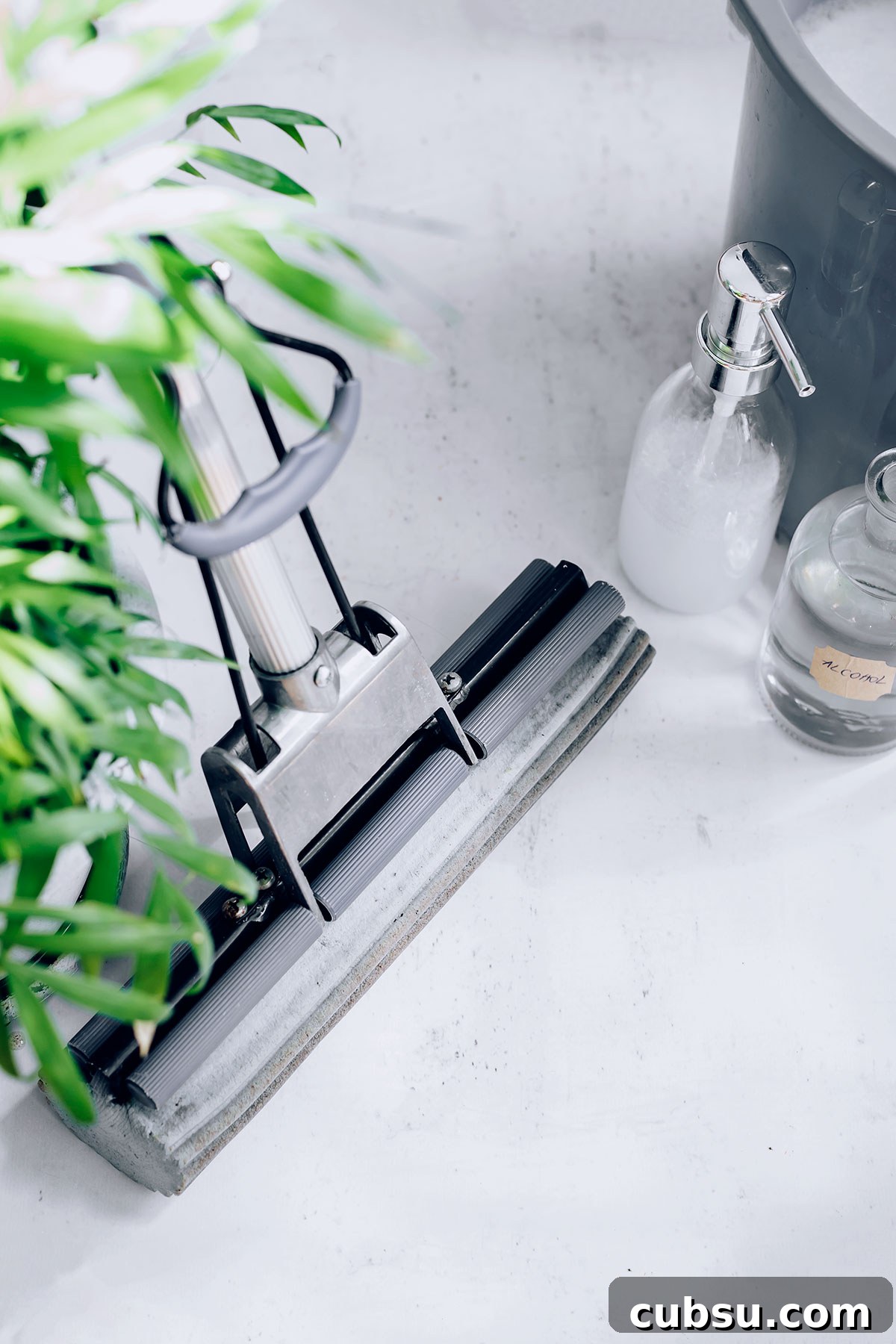
I don’t clean my floors as often as I should, but after moving into an older house with lots of mismatched flooring, it was time to find reliable methods that work across different surfaces. No more filthy floors, pet-hair tumbleweeds or muddy footprints. Below is a practical guide to cleaning every common floor type, focusing on gentle, effective approaches and mostly natural ingredients.
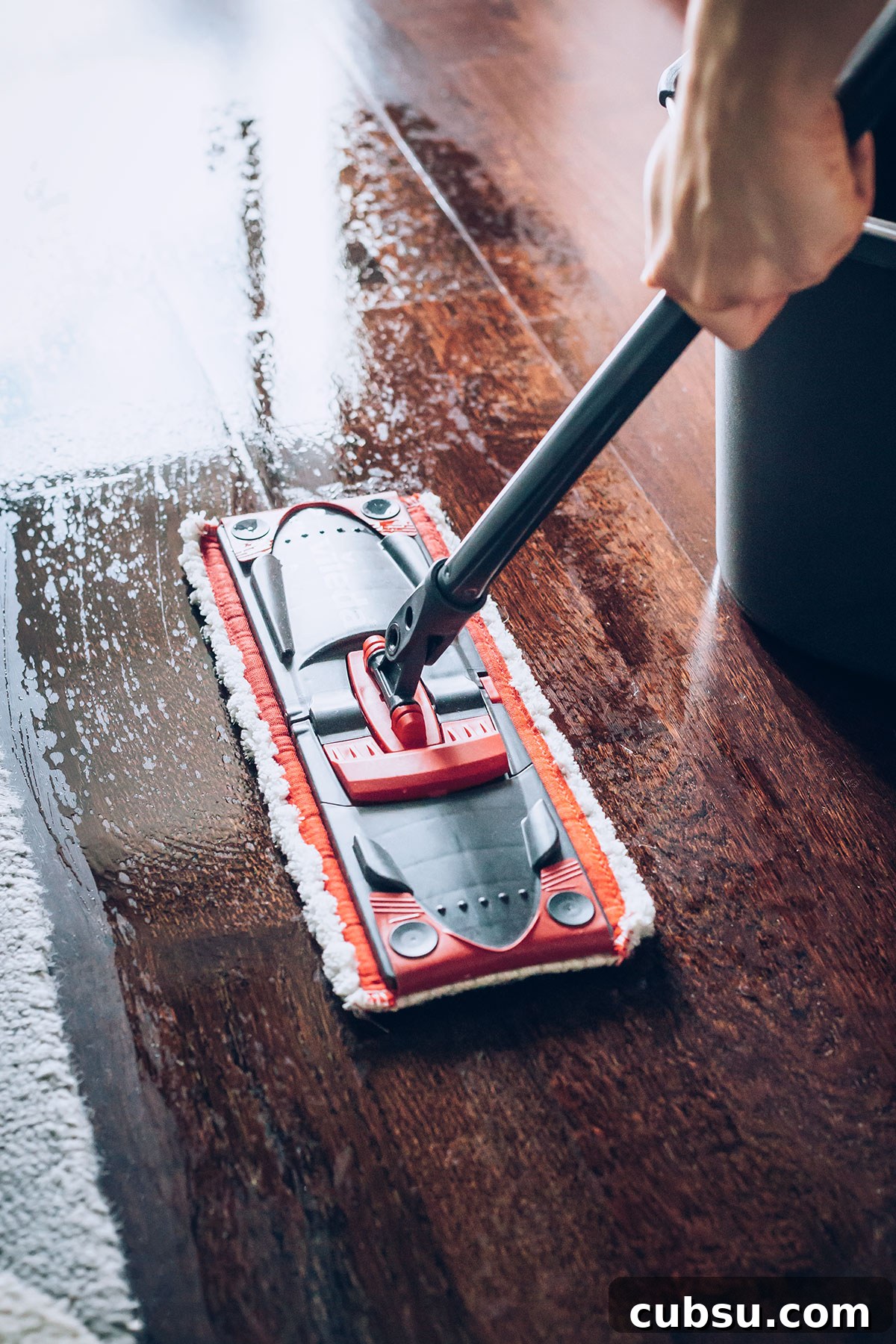
How to Clean Every Type of Floor
When cleaning floors, the finish matters. Many DIY cleaners use vinegar because it helps reduce streaks, but vinegar is acidic and can be risky for floors sealed with certain water-based finishes. Polyurethane finishes tolerate vinegar better, but if you’re unsure what finish your floors have, check manufacturer guidance or test a small, inconspicuous area first.
No matter the finish, following basic care routines and choosing appropriate cleaners will keep floors looking great without harsh chemicals.
How to clean hardwood floors
Regular maintenance protects hardwood finishes and extends the life and appearance of the floor. Rather than relying on undiluted vinegar, favor milder options like Castile soap or purpose-made hardwood cleaners.
1. Sweep or dust often. Removing grit prevents scratches and keeps the finish from dulling.
2. Damp-mop monthly. Use a slightly damp mop to lift stuck-on grime and dust—avoid soaking the wood.
3. Use a deeper cleaner every 3–4 months. Unless the household sees heavy floor traffic (small children, pets frequently on the floor), deep cleaning quarterly is usually enough. Choose a commercial hardwood cleaner or mix 1 gallon of water with 1/2 teaspoon of Castile soap for a gentle DIY option. If you use vinegar, dilute it heavily to reduce acidity.
More hardwood floor cleaners:
Look for safe, gentle cleaners and resources that outline care for different hardwood finishes and DIY pads or solutions for regular upkeep.
How to clean tile floors
Tile is durable and forgiving, but grout traps dirt and needs extra attention.
1. Vacuum first. Remove loose dirt, especially from corners and along baseboards where dust accumulates.
2. Mop well. Use a mop suitable for tile; for stubborn spots, a rag and some elbow grease can help reach nooks and crannies.
3. Refresh grout. For light-colored grout, apply a small amount of lemon juice with an old toothbrush, let it sit for about 15 minutes, then wipe with a damp cloth.
4. Dry the floor. Wipe up standing water to avoid spots and slipping hazards.
Homemade Tile Floor Cleaner
— 1 gallon hot water
— 1/2 cup white vinegar
— A squirt of dish soap
— 15 drops of lemon, grapefruit, tea tree, or another essential oil (optional)
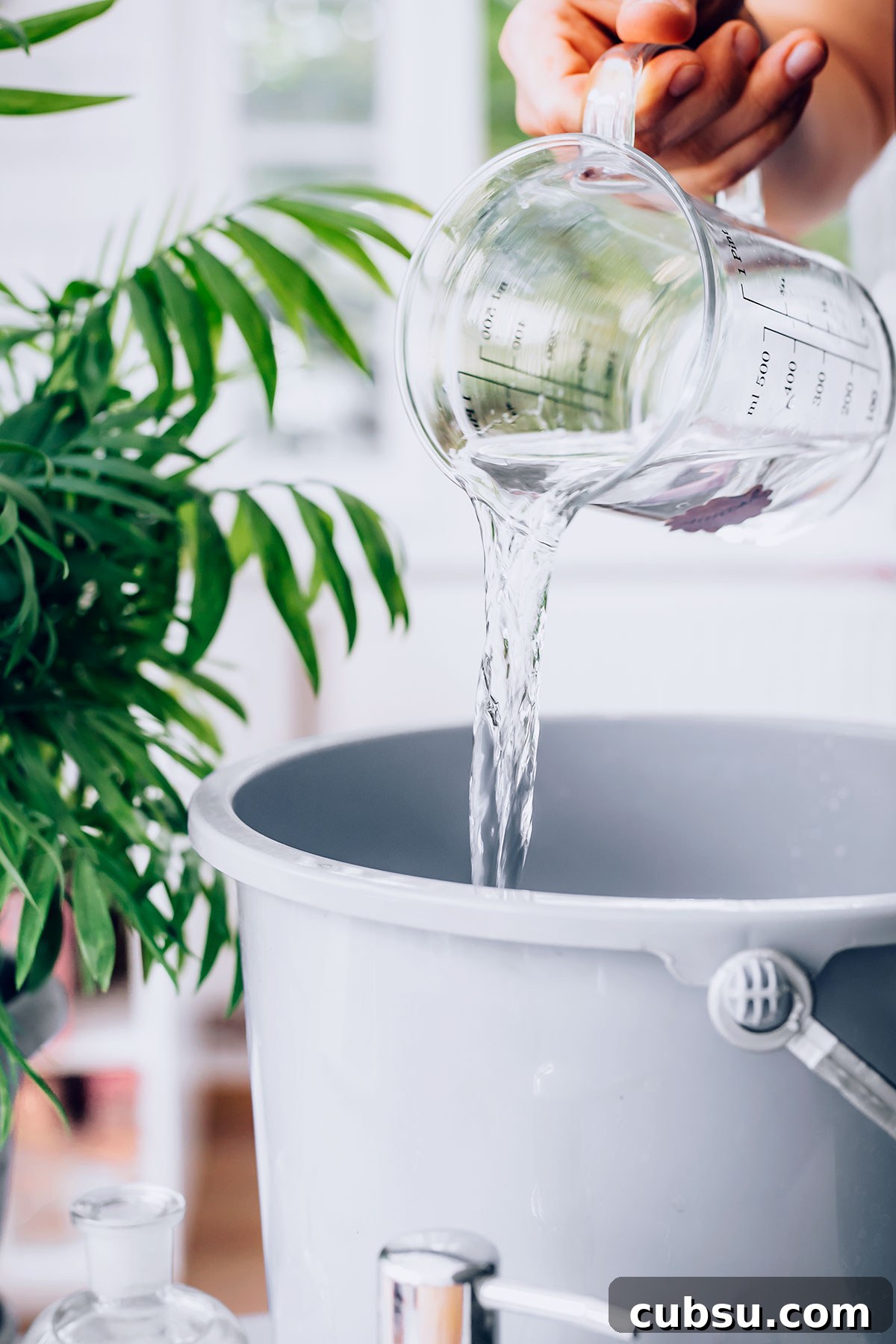
Combine ingredients in a bucket. Dip a mop, wring well, and clean floors. Allow to air dry.
How to clean laminate floors
Laminate flooring is a layered, synthetic product with a protective topcoat. It’s sensitive to moisture and abrasion, so handle with care.
1. Wipe up spills immediately. Standing liquids can damage the inner layers.
2. Avoid abrasive tools and cleaners. Brushes and steel wool can scratch the surface.
3. Damp-mop monthly. Use a barely damp microfiber mop that won’t leave excess water or scratch the surface.
4. For deep cleaning, use a laminate-specific cleaner or a quick-drying homemade option based on rubbing alcohol.
Quick-drying DIY solutions and commercial products formulated for laminate keep floors clean without excess moisture.
How to clean carpet floors
Most carpets primarily need regular vacuuming. For spills and deep cleaning, a bit more effort is required but you can often manage without a machine.
1. Clear the area. Move small items and lightweight furniture to allow access and to restore fibers evenly after cleaning.
2. Pre-clean. Vacuum thoroughly, first in one direction and then the other, to lift embedded dirt. Treat stains with a spot remover and always test products for colorfastness on an inconspicuous patch.
3. Clean without a machine. Mix 2–3 drops of carpet shampoo with warm water in a spray bottle and lightly mist the rug—do not saturate. Let it sit 15 minutes, then blot with dry towels to remove moisture. Rinse lightly with plain water, then blot again.
4. Air dry. Open windows or improve airflow to speed drying and prevent mold or odors.
More carpet cleaners:
Explore liquid cleaners, natural stain removers, and freshening powders for periodic maintenance and spot treatment.
How to clean natural stone floors
Stone floors require gentle, pH-appropriate care to avoid water spots, etching, and staining.
1. Remove grit. Use a dry dust mop to pick up sand and dirt that can scratch stone.
2. Use the right cleaner. Mix warm water with a small amount of alkaline stone cleaner designed for natural stone surfaces.
3. Mop with a well-wrung microfiber mop. Work from the far corner toward the exit, keeping the mop damp rather than wet.
4. Air dry. Allow floors to dry naturally and wipe up excess water to prevent spotting.
For a natural alternative, consider essential-oil-based granite cleaners made for stone surfaces, but always test first and avoid acidic solutions on sensitive stone.
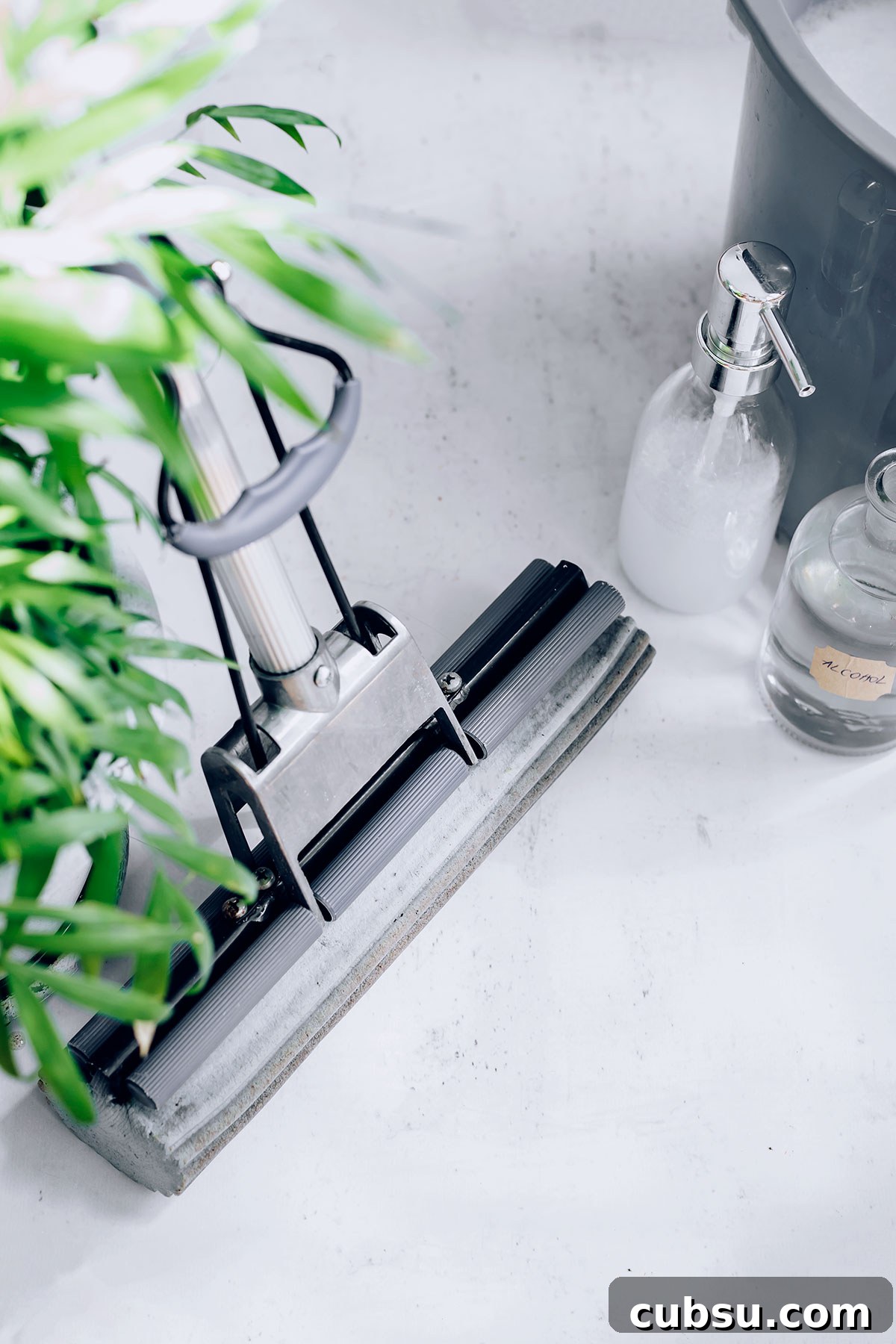
Other Flooring: Vinyl, Linoleum and Cork
Vinyl
Sweep or vacuum first to remove dirt. Clean with a gentle solution of 1 gallon water and 1/2 cup white vinegar, using a soft mop or dish towel. Avoid abrasive brushes to prevent scratching.
Linoleum
Vacuum and clean with a linoleum-specific product, rinse, and air dry. Every 3–6 months, apply a wax sealant to protect the surface from wear.
Cork
Clean cork once a month with a dry or slightly damp mop. Do not saturate cork with water. For stubborn grime, use a pH-balanced cork cleaner diluted with water and follow the manufacturer’s recommendations.