Welcome — this calculator does the cannabis math for you so you can quickly estimate the THC and CBD potency of homemade edibles. Begin with Step 1 by entering the details of the infused product you made, such as cannabutter or cannabis oil. That full batch result can then be applied to a recipe in Step 2 below.
If you’re unsure what to enter, read the How This Calculator Works section below for guidance.
📲 Step 1: Calculate Your Batch Potency
|
Starting Amount of Cannabis Product in Grams
Enter the weight of the flower or product you infused, in grams. |
|
|
THC/THCA %
Enter the percentage from your product label, e.g. 15 for 15%. |
|
|
CBD/CBDA%
Enter the percentage from your product label, e.g. 5 for 5%. Leave 0 if none. |
|
|
Type of Oil or Alcohol Used
Select the oil or solvent you infused into. This sets the absorption rate used in the calculation. |
|
|
Amount of Oil or Alcohol Used
Enter how much oil or alcohol you used to make the entire batch. |
|
|
Account for Decarboxylation Loss?
Check this if you decarboxylated your product and want to include the typical loss that occurs during that process. |
Potency Results For The Entire Batch
|
Total mg of THC
|
2800
|
|
Total mg of CBD
|
700
|
|
Total mg of THC per teaspoon
|
29.17
|
|
Total mg of CBD per teaspoon
|
7.29
|
How the two steps work together: Step 1 calculates the strength of your whole infusion. Step 2 divides that strength across the servings in your recipe so you can see the estimated THC and CBD in a single serving.
📋 Step 2: Dose Your Recipe
In this section you can apply the infusion you made in Step 1 to any recipe and find the dose per serving.
|
How much of your infusion does this recipe use?
Enter how much of the batch goes into this specific recipe. |
|
|
Total Number of Servings In Your Recipe
How many pieces or portions your recipe makes. Used to calculate dose per serving. |
Potency Results Per Serving
Edibles can take 30–120 minutes to take effect.
Estimates only — actual potency varies with ingredients and method.
|
Total mg of THC in entire recipe
|
145.83
|
|
Total mg of CBD in entire recipe
|
36.46
|
|
Total mg of THC per serving
|
14.58
|
|
Total mg of CBD per serving
|
3.65
|
Please note: This calculator and the information on this page are for educational purposes only and are not medical advice. Results are estimates, not lab-tested values. Consult a qualified healthcare professional with any questions about cannabis use.
How This Calculator Works
The calculator estimates potency in a few clear steps. It converts THC and CBD percentages into milligrams because one gram of flower at 1% THC contains about 10 mg of THC. Then it factors in how efficiently your chosen fat or alcohol extracts cannabinoids during infusion — different bases (butter, coconut oil, MCT, alcohol, etc.) extract at different rates, so the selected type changes the outcome.
If you select the decarboxylation option, the calculation includes the typical loss that occurs when raw cannabinoids convert to their active forms. Finally, the calculator divides the total across the batch size and the number of servings in your recipe to provide an estimated mg per serving.
Why Your Real Results May Vary
These figures are estimates, not laboratory results. Actual potency depends on variables this tool can’t measure: the exact cannabinoid content of your specific flower, how completely you decarboxylated, infusion time and temperature, and how evenly the infusion is mixed into the final recipe.
Use the result as a well-informed starting point rather than an exact value.
How to Find Your THC Percentage
The most important input is the THC percentage. If your flower came from a licensed dispensary, the percent is often printed on the package as “Total THC.” If your flower has no label, most dried cannabis flower falls roughly between 10% and 25% THC. When unsure, estimating toward the lower end is a safer choice.
Quick measuring tip: amounts are entered in grams. There are 28 grams in an ounce — an eighth ounce is about 3.5 grams, a quarter ounce is about 7 grams.
A Worked Example
Example: start with an eighth of an ounce (≈3.5 g) testing at 15% THC and infuse it into 1 cup of coconut oil. That 3.5 g at 15% equals about 525 mg of THC in the flower. After accounting for coconut oil’s extraction efficiency, the finished oil contains roughly 434 mg THC. If you use that entire batch in a recipe with 48 servings, each serving contains about 9 mg THC, labeled “Mild.”
Fewer servings make larger doses; more servings make smaller doses. The number of servings determines the dose per piece.
Why You Will Love This Tool
This dosage calculator helps estimate how much THC or CBD is in homemade edibles and infused recipes. It’s designed to be simple and practical, so home cooks can control ingredients and strength while avoiding overly strong doses.
Enter the cannabinoid content and the amount of material used, and the calculator does the rest, giving you an estimated mg per serving to guide safe and informed dosing.
Frequently Asked Questions
If you bought the flower from a licensed dispensary, look for lab testing on the package that shows THC and CBD percentages. If your material has no label or you grew it yourself, exact potency is impossible to know without lab testing. Strain guides can offer a general range, but use caution and err on the lower side when estimating.
If your dried flower has not been decarboxylated, enter the THCA value and check the decarb loss box to account for conversion loss. If the product already contains activated THC (already decarbed), enter THC and do not check the decarb box. If you have both numbers, run the calculation separately for each scenario.
If a concentrate lists total milligrams on the label, divide that total THC mg by the number of servings your recipe makes. For example, a 750 mg syringe used in a recipe that yields 24 pieces results in 750 / 24 = 31.25 mg THC per piece.
Different solvents and fats extract cannabinoids with varying efficiencies. Olive oil, coconut oil, butter, and high-proof alcohol each pull cannabinoids at different rates, which is why extraction efficiency is factored into the calculation.
For cannabutter, the type of butter (salted vs. unsalted) matters less than the amount you use. The calculation depends on total quantity incorporated into your recipe.
Individual tolerance varies. Many people begin with a low dose and increase slowly. A common starting range for microdosing is 1–3 mg THC. If you’re unsure, start lower and wait for effects before increasing. This is general information, not individualized medical advice.
Some people experience weak or no effects from edibles due to metabolism, what they’ve eaten, decarboxylation, or potency. If consistent dosing and timing don’t produce effects, consider different consumption methods or consult resources on edible effectiveness.
Consuming too much THC can be unpleasant and impair basic functions. Symptoms may include dry mouth, rapid heart rate, anxiety, or panic. Use caution, start with low doses, and seek professional medical help if severe symptoms occur.
This tool works well for tinctures and topical infusions as a general calculator of total cannabinoid content. Additional specialized calculators have been requested, but this one covers many common infusion types.
This calculator is educational. If you want deeper guidance on making edibles and dosing, there are courses and guides designed to help home cooks master cannabis-infused recipes and safe dosing practices.
Shop My Most Popular Products
Shop with Emily
Nourish Your High Masterclass
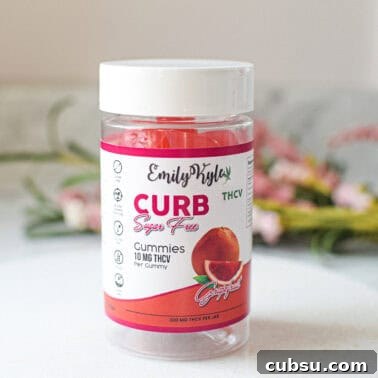
Shop with Emily
Shop Now: Curb THCV Sugar-Free Gummies
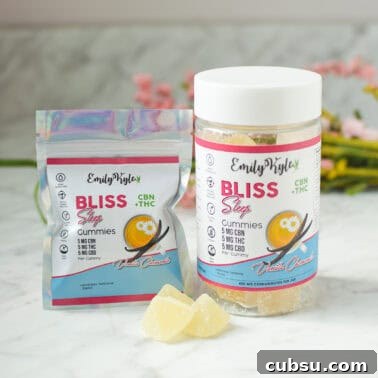
Shop with Emily
Shop Now: Bliss Sleep Gummies
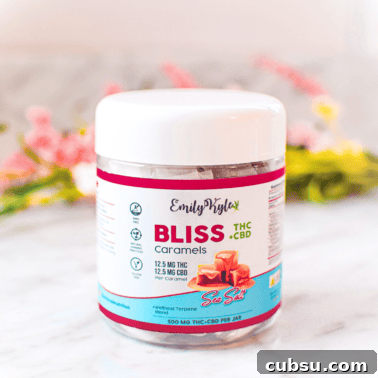
Shop with Emily