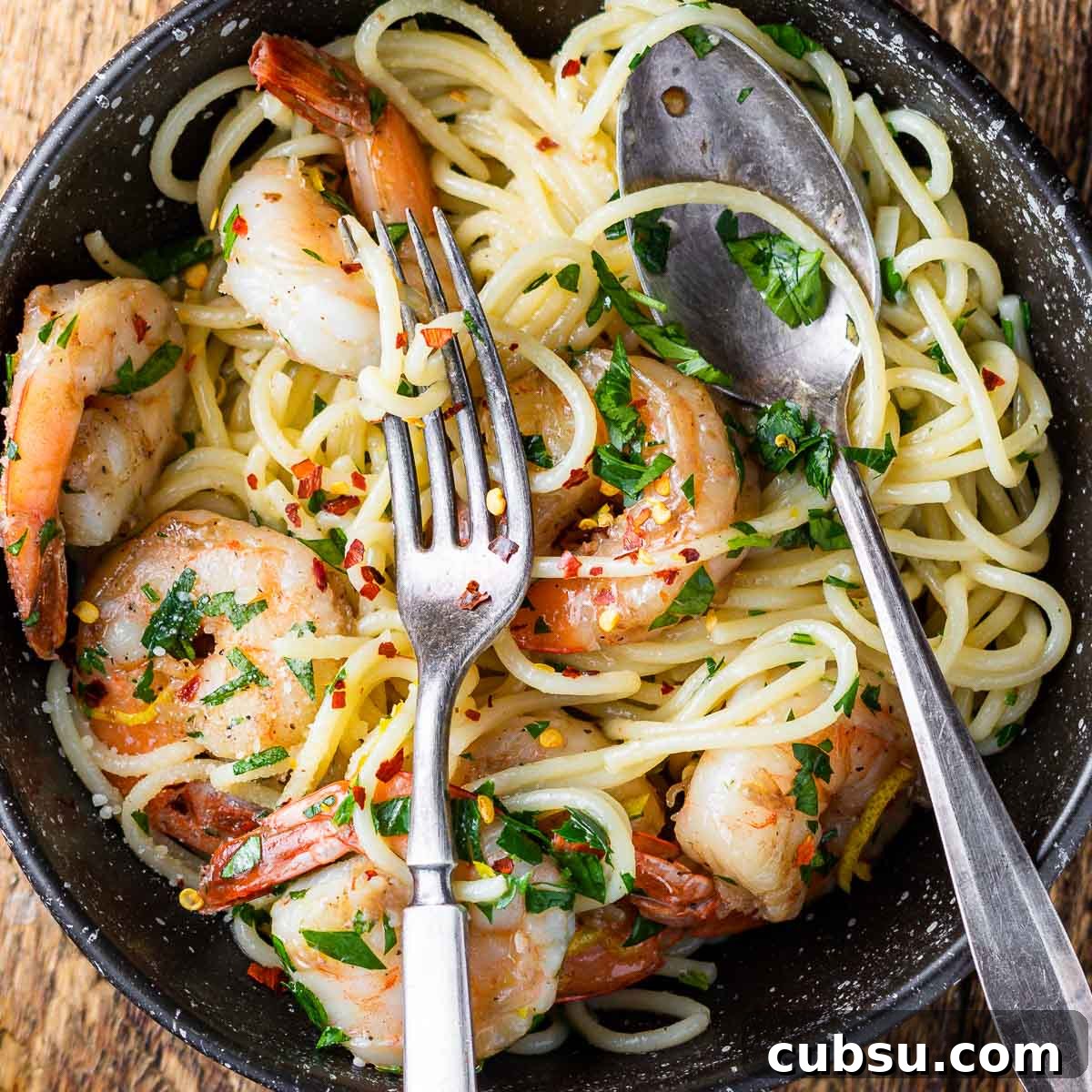
Lemon garlic shrimp pasta is an elegant yet easy dish that delivers big flavor with minimal effort. Tender shrimp are quickly sautéed and folded into al dente pasta, all coated in a silky butter and garlic sauce brightened with lemon juice and zest and finished with fresh parsley. This recipe is approachable for beginners and fast enough for weeknights—ready in about 30 minutes.
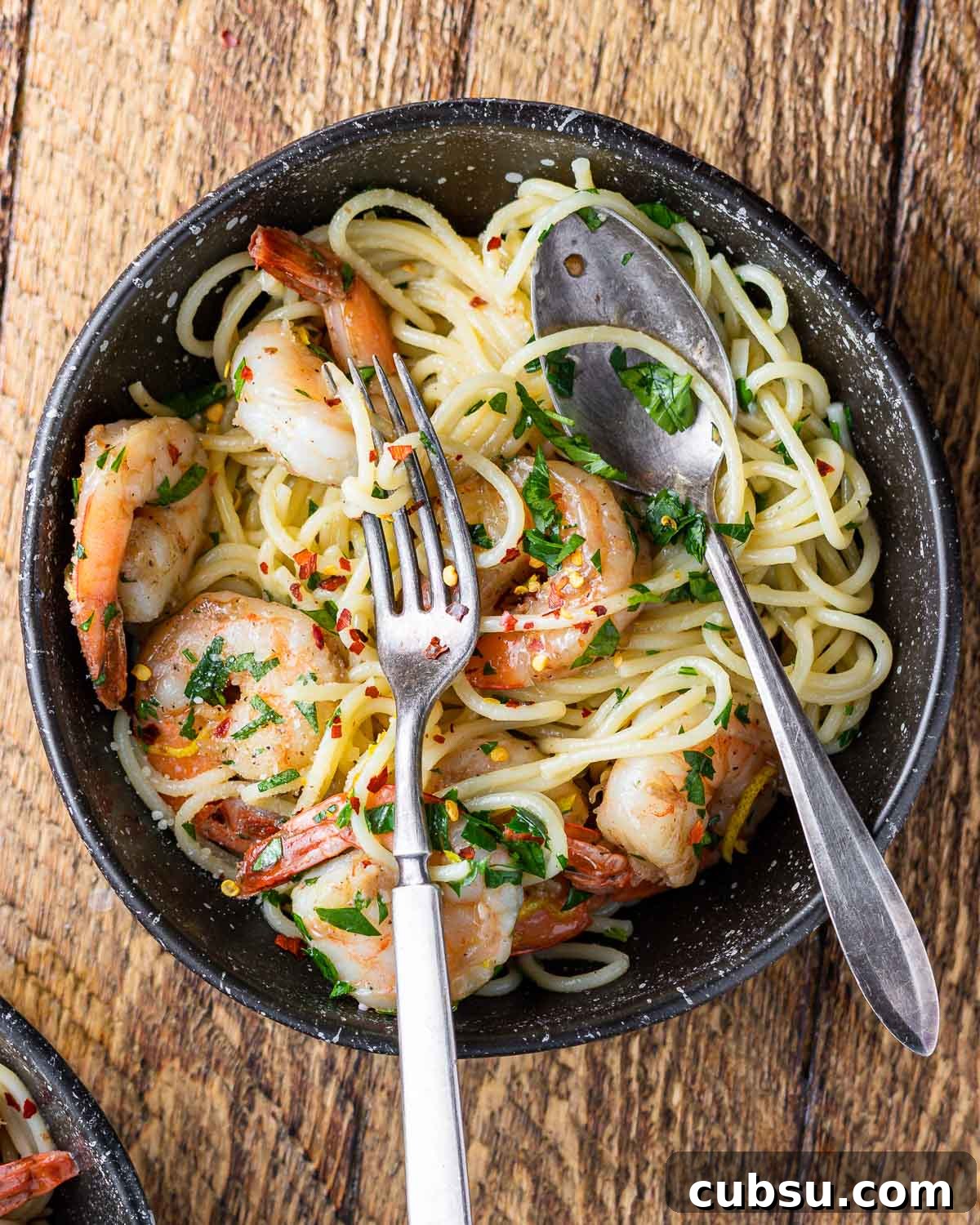
Editor’s Note: Originally published January 24, 2019. Updated with additional photos and details.
The ingredient list is simple and relies on pantry staples like lemon, butter, garlic, olive oil, and parsley. The combination works beautifully with other seafood dishes as well.
Lemon garlic flavors are a favorite for seafood in my kitchen, and shrimp appears often in recipes like shrimp scampi, gambas al ajillo, and shrimp tacos.
This lemon garlic shrimp pasta is quick enough for a busy night but attractive enough to serve guests.
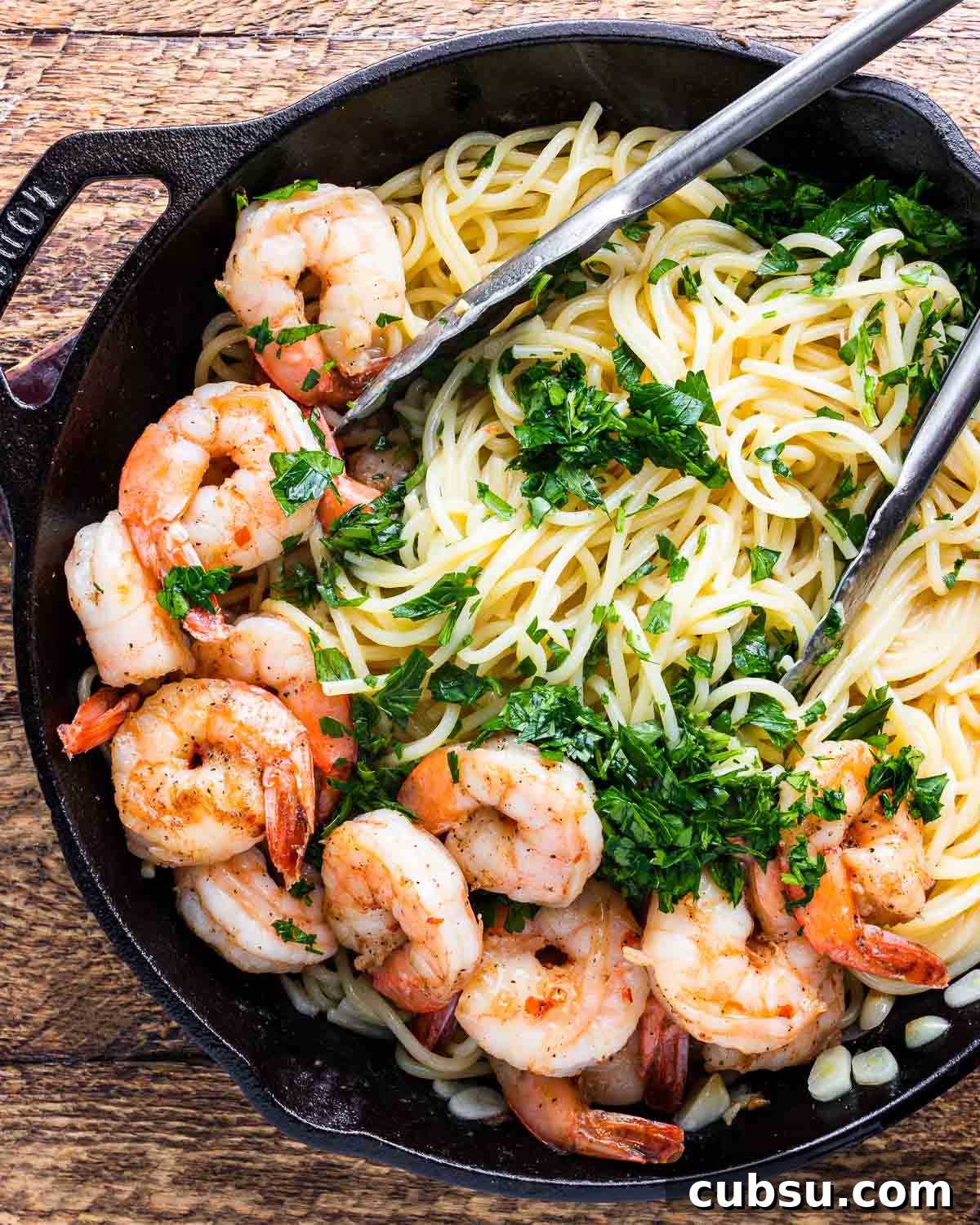
How to make it
- Place cleaned, patted-dry shrimp in a bowl and toss with 1/2 teaspoon baking soda, 1/2 teaspoon kosher salt, 1/4 teaspoon black pepper, and a pinch (about 1/8 teaspoon) crushed red pepper. Mix and set aside to rest briefly.
- Zest one lemon, chopping any long zest strands, and reserve the juice for later.
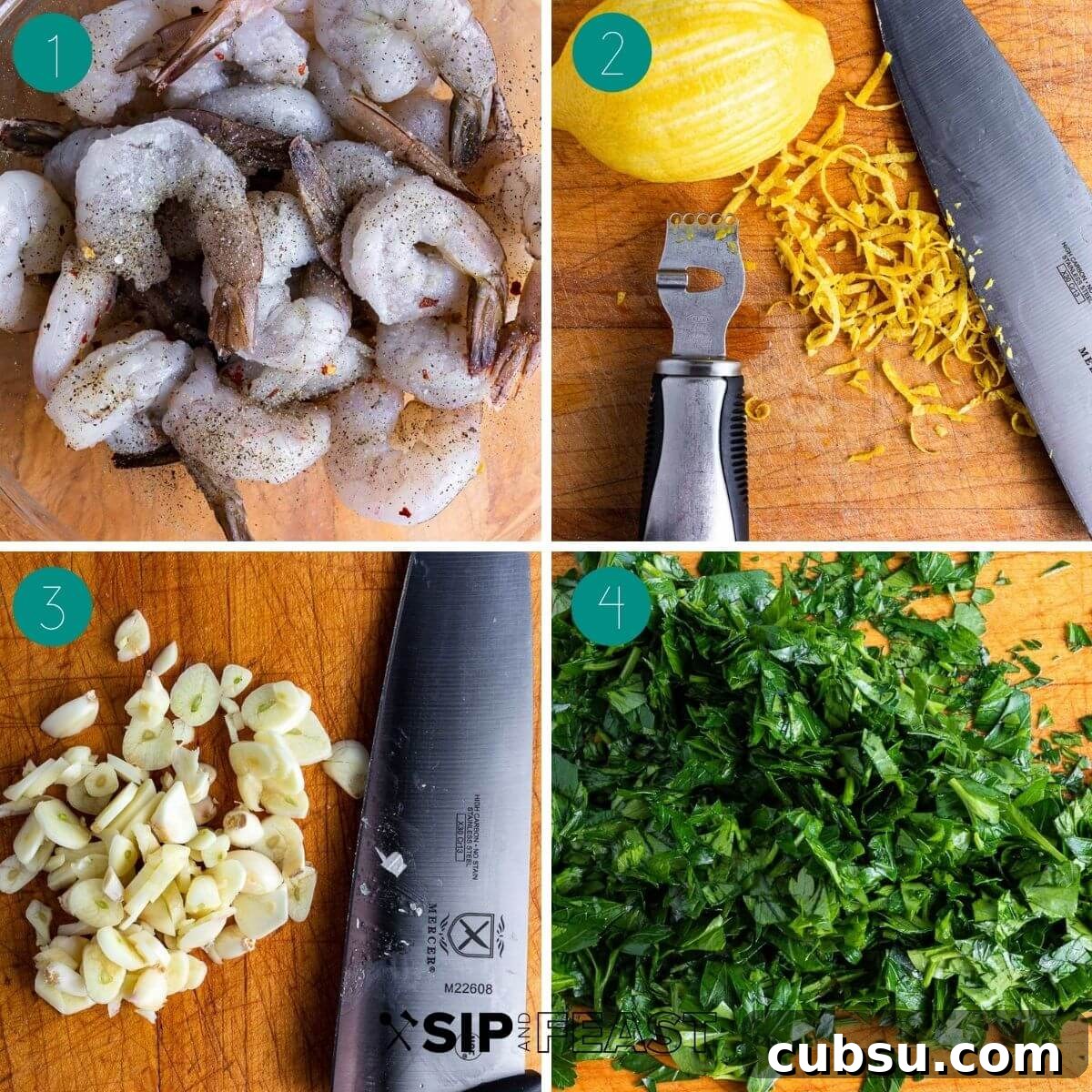
- Slice or chop the garlic and finely mince the parsley.
- Bring a large pot of salted water to a boil (about 2 tablespoons kosher salt per gallon). Cook the pasta to one minute shy of al dente, reserving at least 1 cup of pasta water before draining.
- Heat a large pan over medium heat with 1/4 cup extra virgin olive oil. Add the shrimp in a single layer and sauté until opaque and firm—about 3–4 minutes depending on size. Flip the shrimp after 2 minutes to ensure even cooking. Remove the shrimp to a plate, tent with foil, and keep warm.
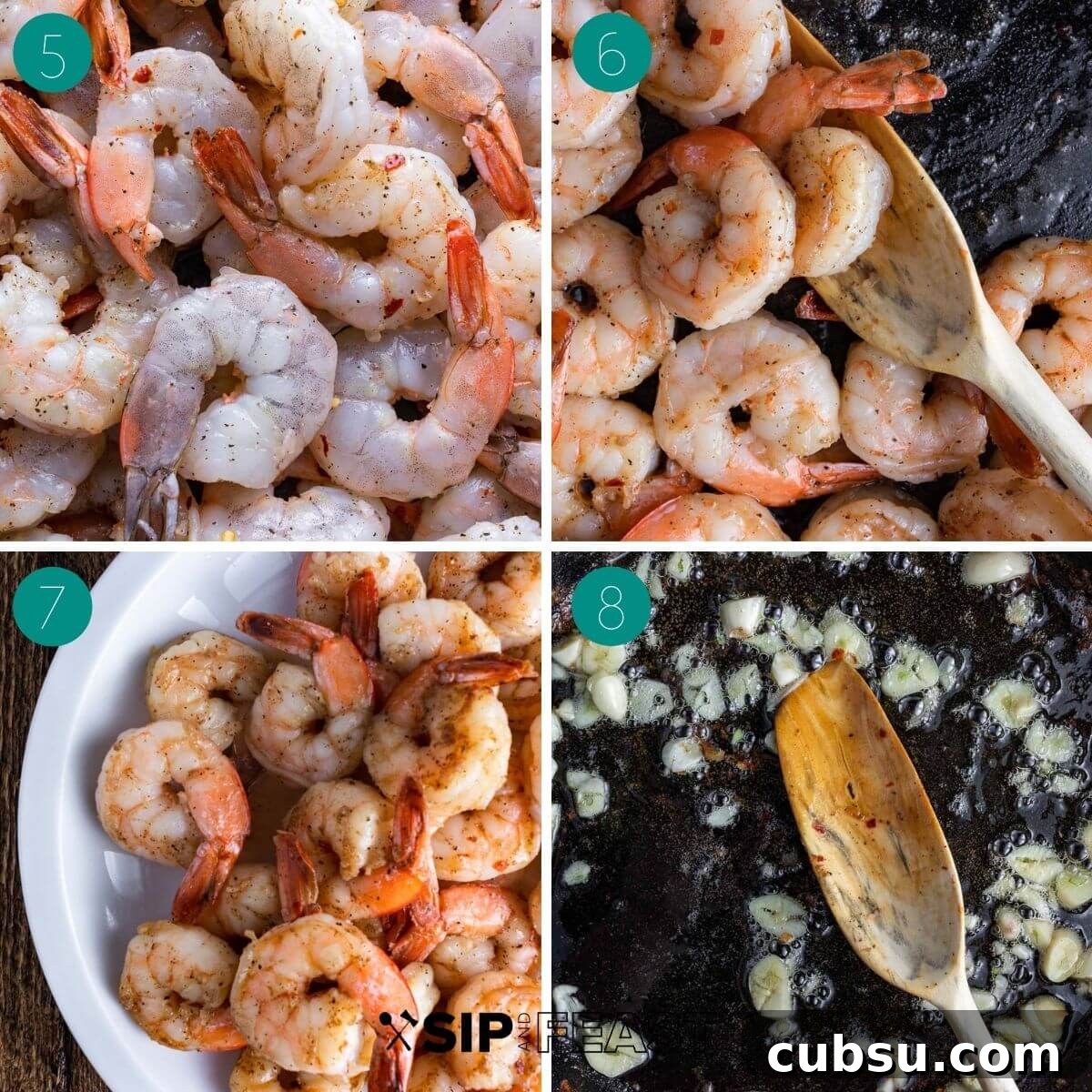
- In the same pan, add the garlic and sauté until lightly golden, about 2–3 minutes. Add a touch more oil if the pan seems dry.
- Pour about 1/2 cup reserved pasta water into the pan and use a wooden spoon to scrape up any browned bits from the bottom—these add depth of flavor.
- Add the drained pasta to the pan with 4 tablespoons unsalted butter. Toss and cook for about 1 minute so the butter and starchy pasta water emulsify and cling to the noodles. If you can, flip the pan to better combine the sauce; otherwise toss with a spoon.
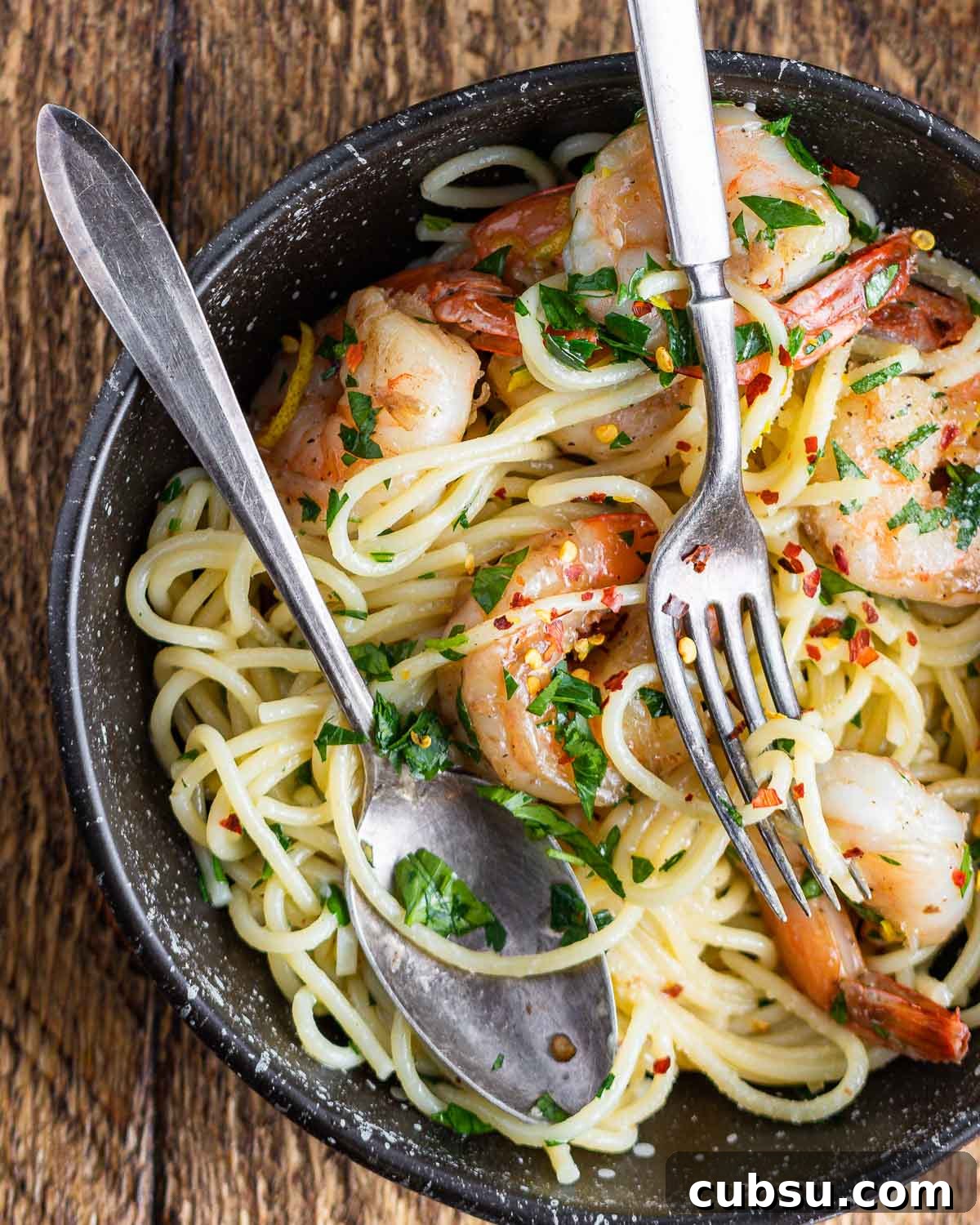
- Return the shrimp to the pan along with the minced parsley, lemon juice, and lemon zest. Toss everything to combine. Taste and adjust seasoning with salt, black pepper, and crushed red pepper. If the pasta seems dry, add a few tablespoons of reserved pasta water to loosen the sauce. Serve immediately.
Top tips
- Shrimp: Make sure shrimp are fully thawed and patted dry. The brief baking soda treatment firms the flesh and improves texture.
- Pasta water: Reserve extra starchy pasta water. In this dish, the sauce is primarily made by emulsifying butter with pasta water so it clings to the pasta. Keep a little on hand to loosen the sauce if needed and serve the dish right away for best texture.
More shrimp pasta recipes
- Creamy sun-dried tomato shrimp pasta
- Shrimp with orzo and feta
- Clam and baby shrimp pasta
- Old Bay shrimp and capellini
If you enjoyed this Lemon Garlic Shrimp Pasta, please leave a rating and a comment below. Feedback helps refine the recipe and lets others know what worked for you.
Lemon Garlic Shrimp Pasta
Pin
Ingredients
For brining the shrimp
- 1 pound (454g) large shrimp (21/25 count)
- 1/2 teaspoon baking soda
- 1/4 teaspoon crushed hot red pepper flakes
- 1/4 teaspoon black pepper
- 1/2 teaspoon kosher salt
Remaining ingredients
- 1/2 pound (227g) spaghetti
- 4 tablespoons (60g) extra virgin olive oil
- 6 cloves garlic, sliced
- 2 cups (480g) reserved pasta water (you will likely not need all of it)
- 4 tablespoons (56g) unsalted butter
- 1 large lemon, zested and juiced
- 1/4 cup minced flat-leaf parsley
- salt and pepper to taste
Instructions
For brining the shrimp
-
Combine the shrimp with the baking soda, salt, pepper, and crushed red pepper in a bowl. Let rest about 10 minutes before cooking.
Completing the dish
-
Bring a large pot of salted water to a boil and cook pasta to 1 minute less than al dente.
-
Heat a large pan over medium with the olive oil. When shimmering, add shrimp and sauté about 3–4 minutes until pink and firm. Remove and keep warm.
-
Add garlic to the pan and sauté 2–3 minutes until golden, adding a touch more oil if needed.
-
Pour in 1/2 cup reserved pasta water, add the butter and the nearly-cooked pasta, and toss for 1 minute so the sauce emulsifies and coats the pasta. Add shrimp, parsley, lemon juice, and zest, then toss to combine.
-
Turn off the heat and taste. Adjust salt, pepper, and crushed red pepper. If too dry, add a few more ounces of pasta water. Serve immediately. Enjoy!
Notes
- The recipe doubles or triples easily for larger groups.
- Always reserve extra pasta water—it’s essential for the sauce and helpful if the pasta dries while waiting to serve.
- Salt is kept moderate; adjust to your taste.
- Leftovers keep up to 3 days in the refrigerator. Reheat gently; shrimp are best eaten the same day as cooking.
Nutrition
Nutrition information is automatically calculated and should be used as an approximation.
This recipe was originally published on January 24, 2019 and updated July 13, 2021.