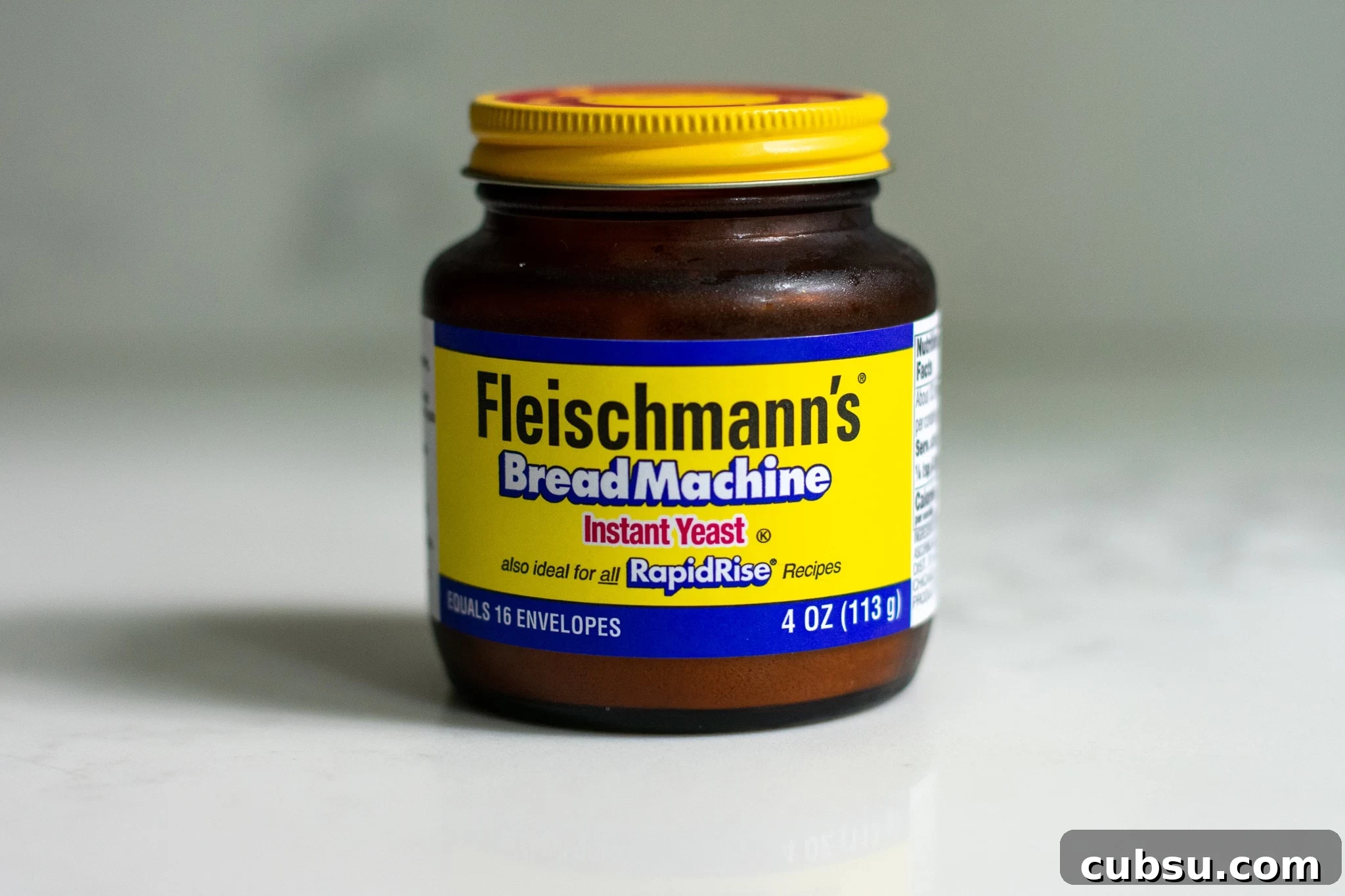
Unpredictable Yeast
Welcome back to our “Recipe For Success” series. Today we’re tackling baking with yeast—a topic that can feel intimidating because yeast is a living organism and sometimes behaves unpredictably. It’s easy to accidentally kill yeast or slow its activity, leaving you with a dense dough that won’t rise. With practice and a few reliable techniques, working with yeast becomes much more manageable. This post covers the essentials you need to bake successfully with yeast.
What is Yeast?
Yeast is a microorganism that consumes sugars and releases carbon dioxide, which forms bubbles in the dough and causes it to rise. Because of this, yeast is called a leavening agent. It prefers a warm, but not hot, environment: warmth encourages activity and proofing, while excessive heat will kill it. Always remember that yeast is a living ingredient—give it the right conditions and time, and it will reward you with well-risen, flavorful bread.
1. Know the Type of Yeast You Are Using
Identifying your yeast type is the first step to success. Different yeasts require different handling; using the wrong method can kill the yeast, slow fermentation, or leave your bread with an overwhelming yeasty flavor. Below are the common types and how to use them.
Types of Yeast: Fresh Yeast
Fresh yeast, sold in small moist blocks, is more perishable than dry yeast and should be used quickly. To incorporate it, crumble the block into warm liquid (water or milk) and let it dissolve before combining with the rest of the ingredients. Do not heat liquids above 36°C (96°F); higher temperatures will kill the yeast. Fresh yeast is common in parts of Europe and less so in the US and UK.
Types of Yeast: Dry Yeast
Dry yeast comes in two main varieties: active-dry and instant. Active-dry yeast should be activated first by dissolving it in warm liquid and waiting until it becomes foamy—usually about five minutes. Adding a teaspoon of sugar can help give the yeast something to feed on and encourage bubbling.
Instant yeast can be mixed directly with dry ingredients and does not require prior activation. Because instant granules are finer, recipes sometimes call for a slightly different quantity—follow the recipe’s guidance for the type you have. Using the wrong amount may cause overproofing or an overly yeasty taste.
2. Understand the Type of Dough You Are Working With
Yeasted doughs fall into three broad categories: lean, enriched, and laminated. The category affects fermentation speed because the ingredients in each type influence yeast activity. Fermentation itself can be direct—adding yeast straight to the dough—or indirect—using a pre-ferment like a sourdough starter or poolish. Indirect methods take longer and often develop more flavor; this guide focuses on direct fermentation.
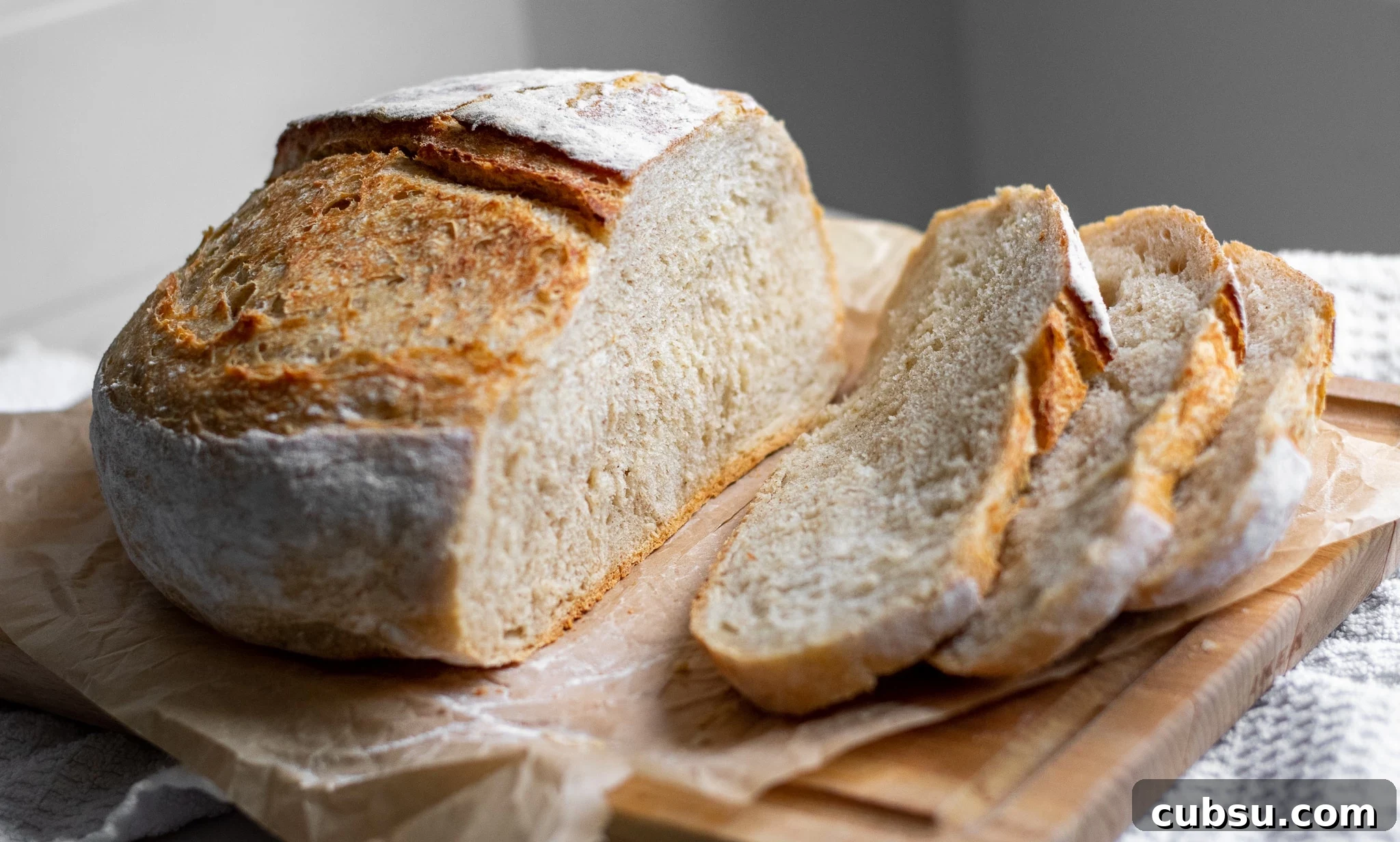
Lean Dough
Lean dough contains few ingredients—typically flour, water, yeast, and salt—resulting in crusty, chewy breads like baguettes. Lean doughs often rise faster and can tolerate simpler mixing methods such as stretching and folding rather than extensive kneading.
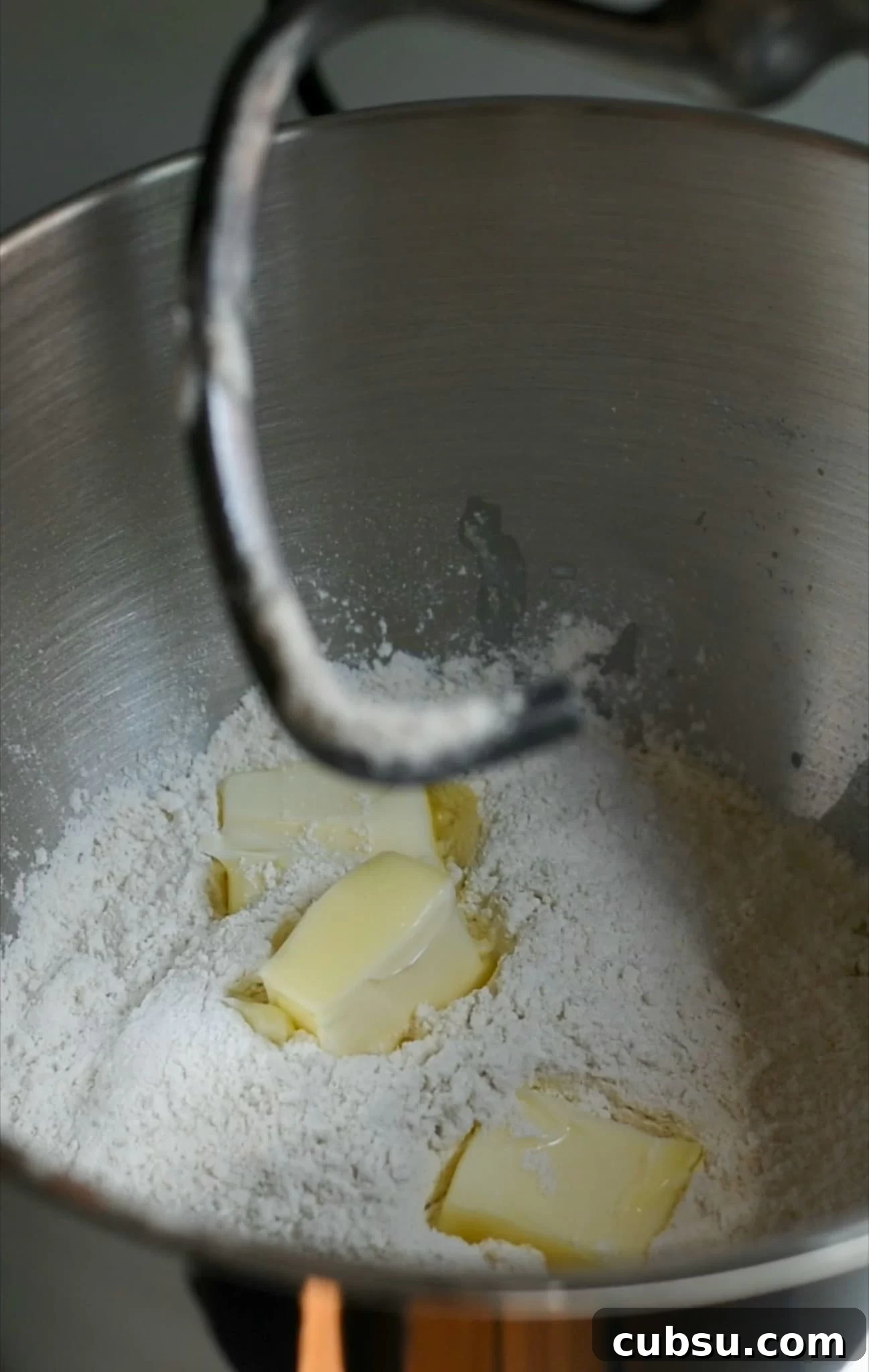
Enriched Dough
Enriched doughs include added fats, eggs, milk, or sugar, producing softer, richer breads like brioche, challah, or cinnamon rolls. These ingredients slow yeast activity, so enriched dough typically takes longer to rise. Recipes may adjust rising times or yeast amounts to compensate.
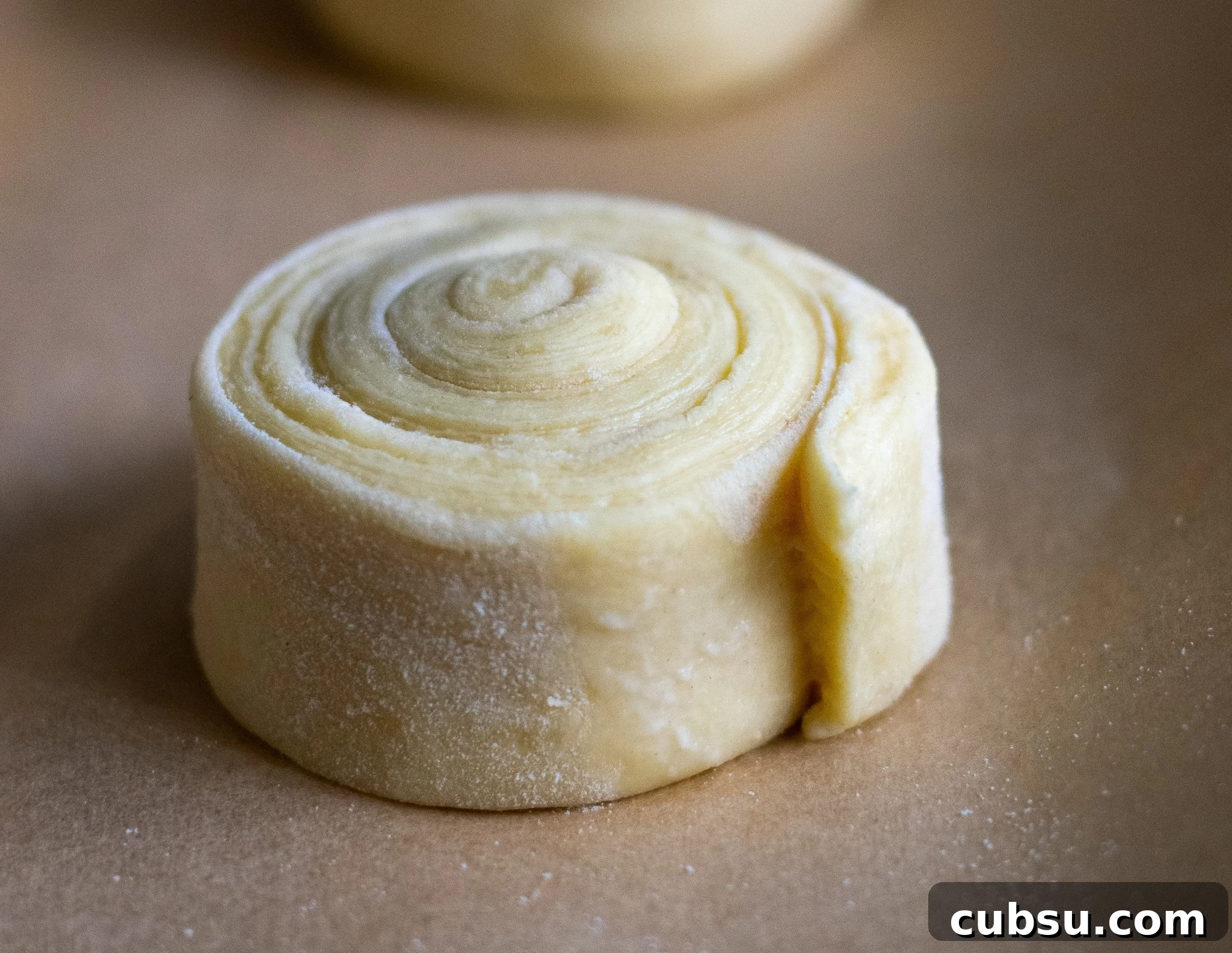
Laminated Dough
Laminated dough is an enriched dough layered with butter—think croissants and Danish pastries. The process of encasing butter and folding the dough creates flaky layers but slows yeast activity even further. Making laminated pastries can be time-consuming; shaping and proofing may take many hours.
3. Pay Attention to How You Combine Your Ingredients
Combine ingredients according to the yeast type. Fresh and active-dry yeasts should be dissolved in warm liquid first; instant yeast can be mixed with dry ingredients. Be careful not to let salt come into direct contact with yeast before it’s mixed into the dough—salt can inhibit or damage yeast. Add salt with the dry ingredients once the yeast is dissolved or distributed.
4. Pay Attention to Temperature
Yeast prefers a warm environment. Proof dough at around 25–28°C (75–82°F) for reliable activity. Keep liquid temperatures below 36°C (96°F) when mixing—use “finger-warm” liquid that feels comfortable to touch. Cold ingredients or a cool environment slow yeast growth; this can be used intentionally for longer, slower fermentation and more flavor, for example by refrigerating dough overnight. If you cold-proof, bring the dough back to room temperature before baking for best results.
5. Be Patient with Your Dough
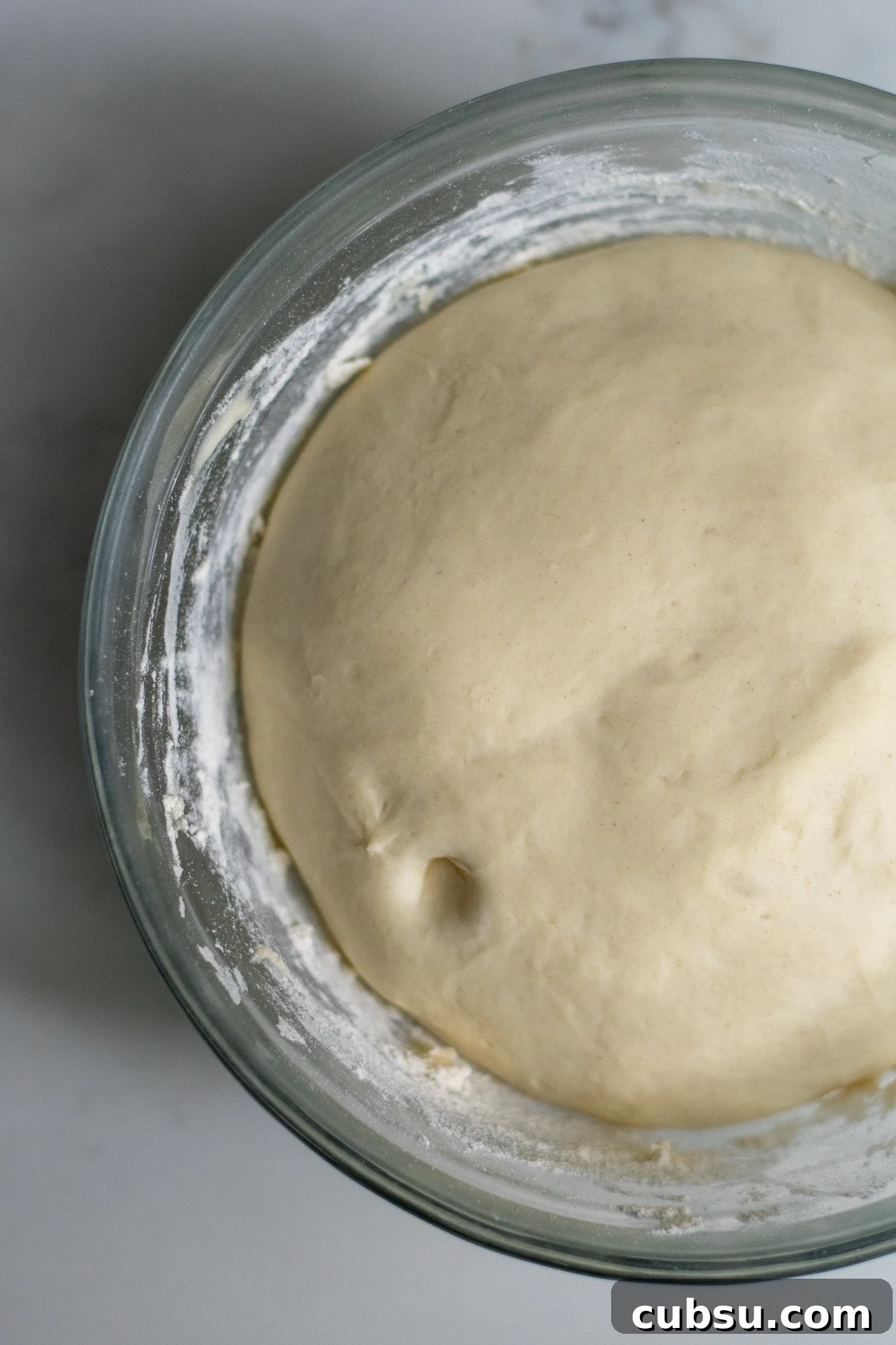
Patience is essential. Underproofed dough won’t develop proper structure or flavor; overproofed dough can collapse and be difficult to shape. Knowing your yeast, understanding the dough type, combining ingredients properly, and controlling temperature will help you judge proofing time. Give the dough the time it needs and check its readiness by feel and visual cues rather than strictly by the clock.
We hope these tips make yeast baking less mysterious and more enjoyable. Practice, observe, and adjust based on what you learn from each batch. Good luck with your yeast baking adventures—leave a comment if you have questions or tips to share.