
Migraines are debilitating — I’ve lived with them and learned a lot about what helps and what doesn’t.
If you suffer from migraines, here are effective, practical approaches to manage an attack and reduce how often they occur.
How to Get Rid of a Migraine?
My approach includes a mix of natural measures, lifestyle changes, and conventional treatments. Combine strategies that work for you to shorten episodes and ease symptoms quickly.
Migraine Definition
A migraine is more than an ordinary headache. It involves neurological and vascular changes in the brain that produce intense, often one-sided head pain and other symptoms.
Medical experts generally describe migraines as arising from disturbances in blood vessel function and nerve signaling in the head.
What is a Migraine Headache?
Migraines recur in episodes and are usually much more severe than common tension headaches. Pain is often pulsating and concentrated on one side, and many sufferers are highly sensitive to light and smell.
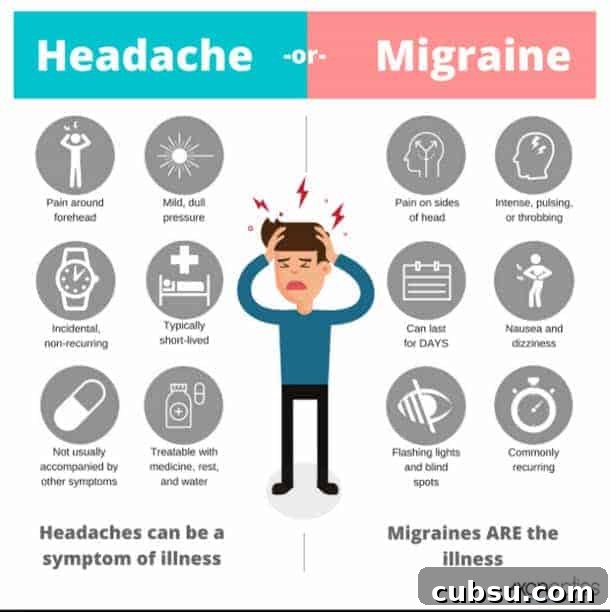
Difference Between Migraine and Headache?
Headaches and migraines differ in cause and severity. Tension headaches are often due to muscle tightness, producing a dull, band-like pressure. Migraines involve vascular and neurological changes that cause intense pain and additional symptoms such as nausea or visual disturbances.
Migraine Piercing
Migraines can feel piercing or like extreme pressure — some describe a sensation of the brain not fitting in the skull, sharp pain behind the eyes, or a deep forehead ache. Such intensity can disrupt sleep and daily activity.
Migraine and Nausea
Severe migraines frequently cause nausea and vomiting. If nausea prevents you from keeping oral medication down, other routes of treatment may be needed.
Migraine Headache Symptoms
Common migraine symptoms include:
- Severe, often one-sided head pain
- Nausea and vomiting
- Visual disturbances or blurry vision
- Aura — sensory changes that precede the headache
- Piercing or throbbing sensations in the head and eyes
Dietary Migraine Causes
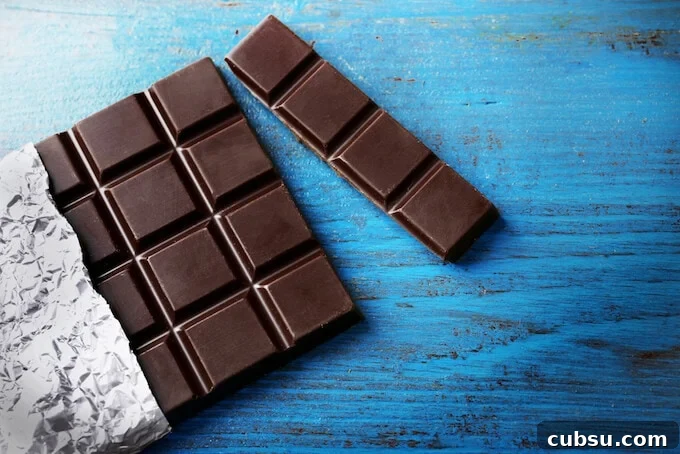
Certain foods and additives can trigger migraines in sensitive people. Common culprits include MSG, aged cheeses, chocolate, alcohol, and large amounts of caffeine. Food allergies or intolerances and nutritional deficiencies can also contribute.
Avoiding known triggers and keeping a food-and-symptom diary can help identify dietary causes unique to you.
- Alcohol
- Caffeine
- Food allergies or intolerances
- Nutritional deficiencies
Migraine Triggers
Beyond diet, other common triggers include:
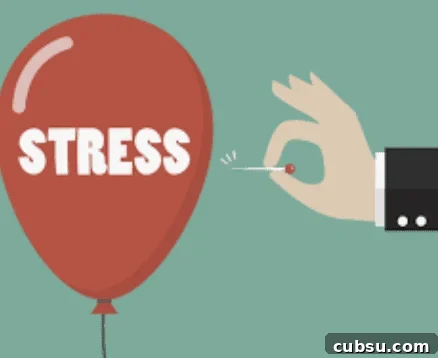
- Stress and emotional upheaval
- Hormonal fluctuations
- Poor or insufficient sleep
- Sensitivities to chemicals or strong fragrances
- Weather or barometric pressure changes
- Dehydration or electrolyte imbalance
- Constipation
- Dietary transitions such as the “keto flu”
Migraines with Aura?
An aura is a transient sensory disturbance that can occur before or during a migraine. Visual auras — flashing lights, blind spots, or zigzag patterns — are most common and typically resolve within an hour. Not everyone with migraines experiences auras.
Headache on Back of Head
Pain at the back of the head is often a tension-type headache caused by muscle tightness around the neck and occipital ridge. These headaches feel like pressure or a tight band rather than the throbbing pain of a migraine.

Headache Kids
Children can develop migraines. If headaches are frequent, seek evaluation from a pediatrician or specialist rather than relying on repeated over-the-counter painkillers, which can cause other health problems over time.
Headache Vitamin D Deficiency
Vitamin D deficiency can contribute to recurrent headaches. In one case, a child with severe headaches improved dramatically after treatment for low vitamin D. If headaches are persistent, testing for nutrient deficiencies (including vitamin D) can be worthwhile.
Vitamin D Low Symptoms
Optimal vitamin D levels vary by source, but very low levels may be linked to headaches, fatigue, and other health issues. Correcting deficiencies under medical supervision can reduce symptoms for some people.
Migraine Cure
While there’s no single universal cure for migraines, several measures can relieve an attack quickly:
- Foam rolling or gentle neck massage to ease muscle tension and reduce head pressure
- Cold packs applied to the forehead or neck to numb pain and reduce inflammation
- Proper hydration with electrolytes — avoid plain excess water that can dilute sodium (hyponatremia)
- Topical pain relievers to bypass the gut if oral meds cause nausea
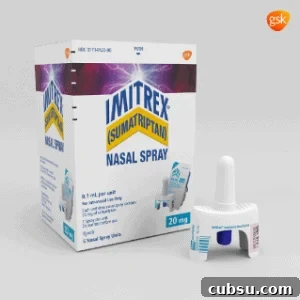
- Prescription treatments such as triptans (some come as nasal sprays) for moderate to severe episodes
- Medical options like certain cannabinoids or other physician-recommended therapies in regions where they are legal and appropriate
Drug for Migraines
Over-the-counter options like acetaminophen and NSAIDs can help in milder attacks. For frequent or severe migraines, consult a physician about prescription options tailored to your symptoms and medical history.
Prescription Medication for Migraines
If you can’t tolerate oral medication due to nausea, prescription nasal sprays or injectable medications may be effective. Discuss options such as triptans or other targeted therapies with your healthcare provider.

Migraine Prevention
Prevention focuses on lifestyle, diet, and reducing exposures that trigger attacks. Effective prevention strategies include:
- Eliminating or reducing caffeine if it is a trigger
- Using non-toxic personal care and makeup products if chemical sensitivities contribute
- Maintaining consistent sleep and stress-management routines
- Hydrating with balanced electrolytes rather than plain excess water
- Addressing nutritional gaps such as CoQ10 or vitamin D when appropriate and under medical guidance
Many people experience fewer migraines after correcting electrolyte balance and identifying personal triggers.
Meaning of Hydration
Hydration is a balance between fluid volume and electrolyte concentration. Adequate electrolytes — including sodium, magnesium, and potassium — are essential for cellular function and can influence headache frequency and severity.
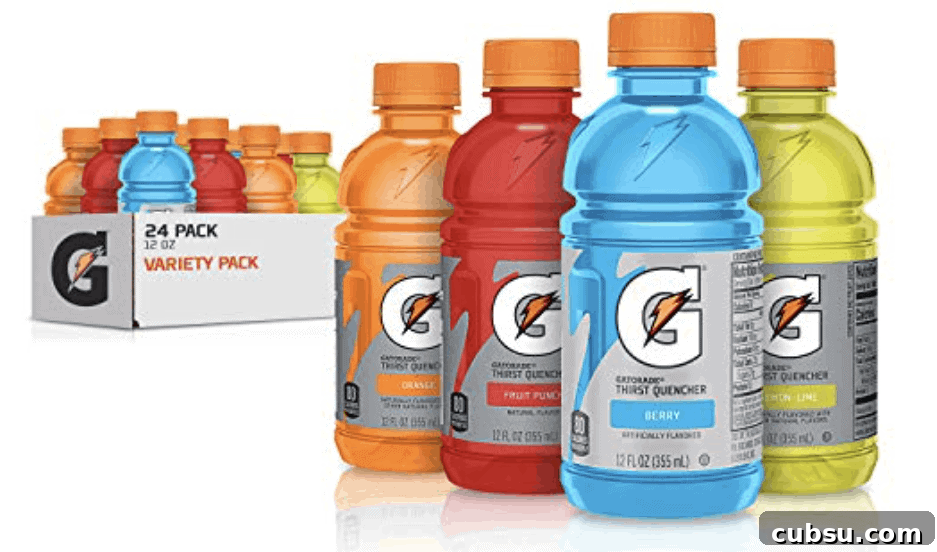
Sugar and Headaches
High sugar intake and rapid carbohydrate fluctuations can trigger headaches for some people. Many migraine sufferers report fewer attacks on a lower-carbohydrate approach that stabilizes blood sugar.
Electrolytes Imbalance Symptoms
Electrolyte imbalance can present as headaches, muscle cramps, weakness, and digestive issues like constipation. Restoring electrolyte balance often improves these symptoms.
Headache Dehydration
Using electrolyte solutions with water helps the body retain fluid and supports cellular hydration, reducing the need for frequent urination and improving overall hydration status.

Keto Flu
When starting a ketogenic diet, some people experience the “keto flu,” which can include headaches due to rapid shifts in fluid and electrolyte balance. Replenishing electrolytes can substantially reduce these symptoms.
Why Does My Head Hurt Everyday
Chronic daily headaches have many causes — medication overuse, sleep problems, dehydration, nutrient deficiencies, and central nervous system sensitization among them. Two strategies that helped me were restoring electrolyte balance and exploring therapies that address nervous system regulation.
If headaches persist daily, seek evaluation from a physician or headache specialist to identify underlying causes and tailored treatments.

Elana’s Migraine Cures
These tips won’t cure every migraine for every person, but combining hydration, electrolytes, trigger avoidance, physical therapies for neck tension, and appropriate medications gives you a strong toolkit to both prevent attacks and manage them when they occur.
Your Migraine Cures
What strategies have worked for you to prevent or stop migraines? Sharing practical, evidence-informed tips can help others find relief.